

Table of Contents
- Why Dryer Vent Fires Happen: The Real Risk in Your Home
- How Lint Buildup Creates Fire Hazards
- Warning Signs Your Dryer Vent Needs Immediate Attention
- The Real Cost of Ignoring Dryer Vent Maintenance
- Professional Dryer Vent Cleaning vs. DIY Methods
- Our Comprehensive Fire Prevention Approach
- How We Inspect and Clean for Maximum Safety
- Why Dallas Homeowners Trust Our Service
- Getting Started With Your Dryer Vent Inspection Today
- Frequently Asked Questions (FAQ)
Why Dryer Vent Fires Happen: The Real Risk in Your Home
Dryer vent fires are more common than most Dallas homeowners realize. The U.S. Fire Administration reports that clothes dryers are involved in thousands of residential fires each year, with failure to clean the dryer vent cited as a leading cause. The risk isn’t theoretical or remote. It’s a practical safety concern that affects your home, your family, and your property.
Here’s what happens: as your dryer runs, it generates intense heat to dry your clothes. That hot air needs to exit through your vent system to the outside. When lint and debris accumulate inside the vent line, airflow becomes restricted. Heat builds up inside the dryer and vent ductwork. If that heat reaches combustible material or debris, ignition becomes possible. Unlike a kitchen fire you can see, a dryer vent fire often starts inside your walls where you cannot detect it until significant damage has occurred.
The scary part: you don’t need a spark or an obvious malfunction. Static electricity from lint friction, combined with trapped heat and blocked airflow, can create the conditions necessary for a fire to start. That’s why we treat dryer vent cleaning not as a luxury, but as an essential maintenance task alongside other fire safety measures in your home.
How Lint Buildup Creates Fire Hazards
Lint is the primary culprit. Every time your dryer runs, thousands of tiny fibers from your clothes separate and enter the vent system. Most lint gets caught in the dryer’s lint trap, but a significant amount bypasses it and travels down the vent line toward the outside exit.
Over time, lint accumulates inside the vent ductwork. It clings to the inner walls, creating a layer that thickens with each load. This buildup narrows the duct’s interior passage, restricting airflow. The dryer has to work harder to push air through, generating more heat. Temperatures inside the duct rise. The lint itself is highly flammable. A single spark, a moment of excessive heat, or static electricity from the lint friction is all it takes.
Common vent configurations that increase risk include:
- Long, winding vent runs from the dryer to the exterior wall or roof
- Vent lines with multiple bends or elbows that trap lint more easily
- Improper vent materials or damaged ducts that allow lint to escape into wall cavities
- Vent terminations damaged or missing screens that invite debris entry
The problem compounds because you cannot see inside your vent ductwork. Signs your dryer vent is blocked often don’t appear until airflow is severely restricted. By then, substantial lint has already accumulated, and the fire risk is acute.
Warning Signs Your Dryer Vent Needs Immediate Attention
Your dryer itself will tell you when the vent needs attention. Pay close attention to these indicators:
Drying performance issues are the earliest red flag. If clothes are taking much longer to dry than they used to, or if they’re still damp after a full cycle, blocked airflow is the likely cause. This signals that lint is building up and restricting ventilation.
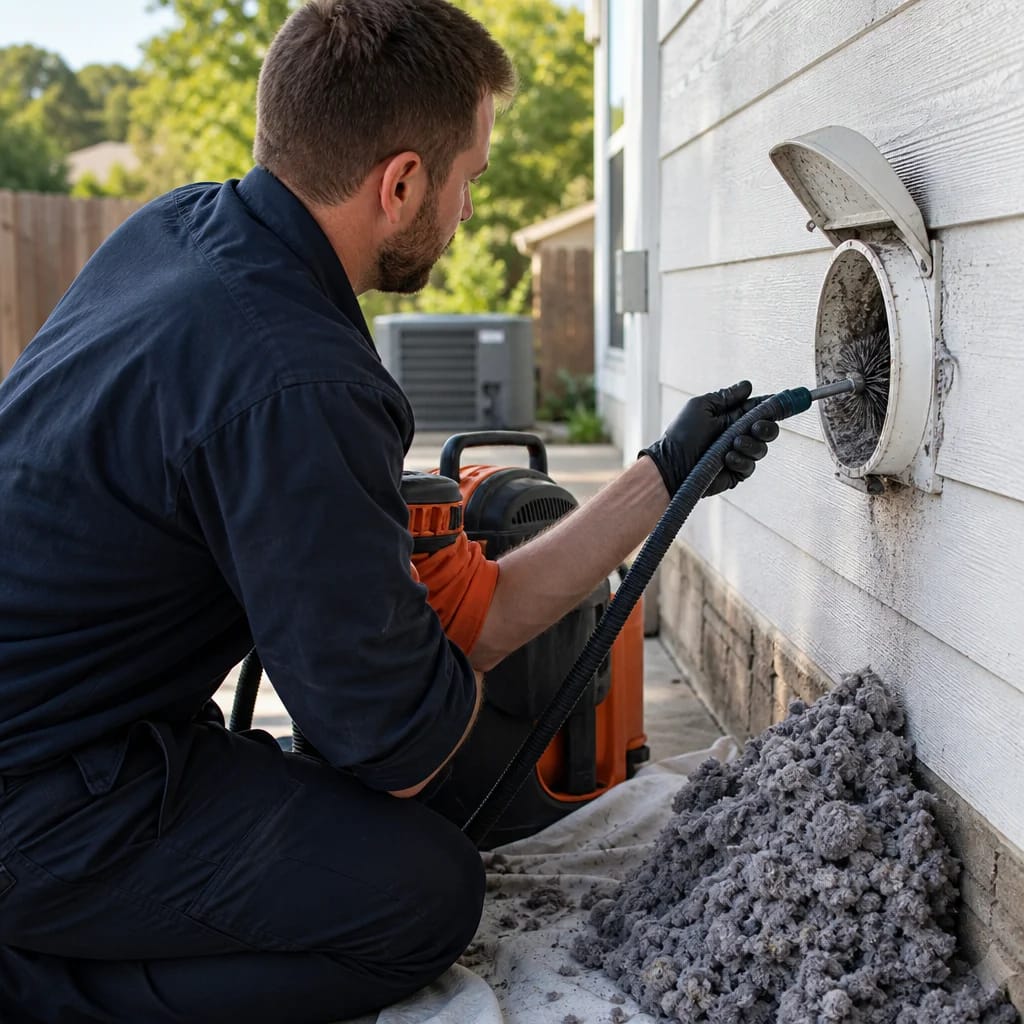
Heat and temperature changes matter too. If the dryer is noticeably hot to the touch on its exterior, or if you feel excessive heat radiating from the dryer area, the system is working too hard to push hot air through resistance. That excess heat is a fire hazard.
Burning smells are never normal. If you detect a burnt smell, singed fabric odor, or anything that doesn’t smell like clean laundry, stop using the dryer and have it inspected immediately. This suggests overheating or debris ignition inside the system.
Lint visible outside the vent termination, lint accumulating around the dryer, or lint in your laundry room all point to a system that’s not venting properly and allowing lint to escape where it shouldn’t be.
Other signs include moisture or mildew smell, clothes hotter than expected, or the lint trap feeling damp even after cleaning. Don’t dismiss these as minor inconveniences. Each one indicates restricted airflow, elevated temperatures, and increased fire risk.
The Real Cost of Ignoring Dryer Vent Maintenance
Short-term, ignoring a clogged dryer vent costs you money through wasted energy. Your dryer runs longer, uses more electricity, and you see that reflected in higher utility bills. Over a year, an inefficient dryer can add hundreds of dollars to your energy expenses.
Medium-term, the dryer itself suffers. Components wear out faster when the system is forced to operate in high-heat, high-resistance conditions. Drum seals, heating elements, and motors all degrade more quickly. You’ll replace the dryer sooner and spend more on repairs.
Long-term, the real cost is catastrophic. A dryer vent fire can destroy your home. Fire damage, smoke damage, water damage from firefighting efforts, and structural damage run into tens of thousands of dollars. If the fire spreads before detection, the loss becomes total. Beyond financial loss, there’s the risk to your family’s safety and irreplaceable possessions.
Insurance often doesn’t fully cover dryer-caused fires, especially if negligent maintenance is documented. Some policies may deny claims entirely if you failed to perform routine cleaning. The liability exposure is significant.
This is why we view dryer vent cleaning not as optional maintenance but as essential fire prevention. The cost of professional cleaning is minimal compared to the risk and the consequences of inaction.
Professional Dryer Vent Cleaning vs. DIY Methods
Some homeowners attempt to clean their dryer vents themselves using handheld brushes, plumbing snakes, or shop vacuums. While well-intentioned, DIY cleaning typically removes only surface lint and doesn’t address the deeper accumulation inside the vent line.
Here’s the practical difference: a handheld brush or snake can reach maybe 5-10 feet into a vent ductwork. Most residential dryer vents extend much farther, with bends and transitions that standard tools cannot navigate properly. You end up disturbing lint and moving it around, but not removing it. Lint can compact further and become even harder to dislodge.
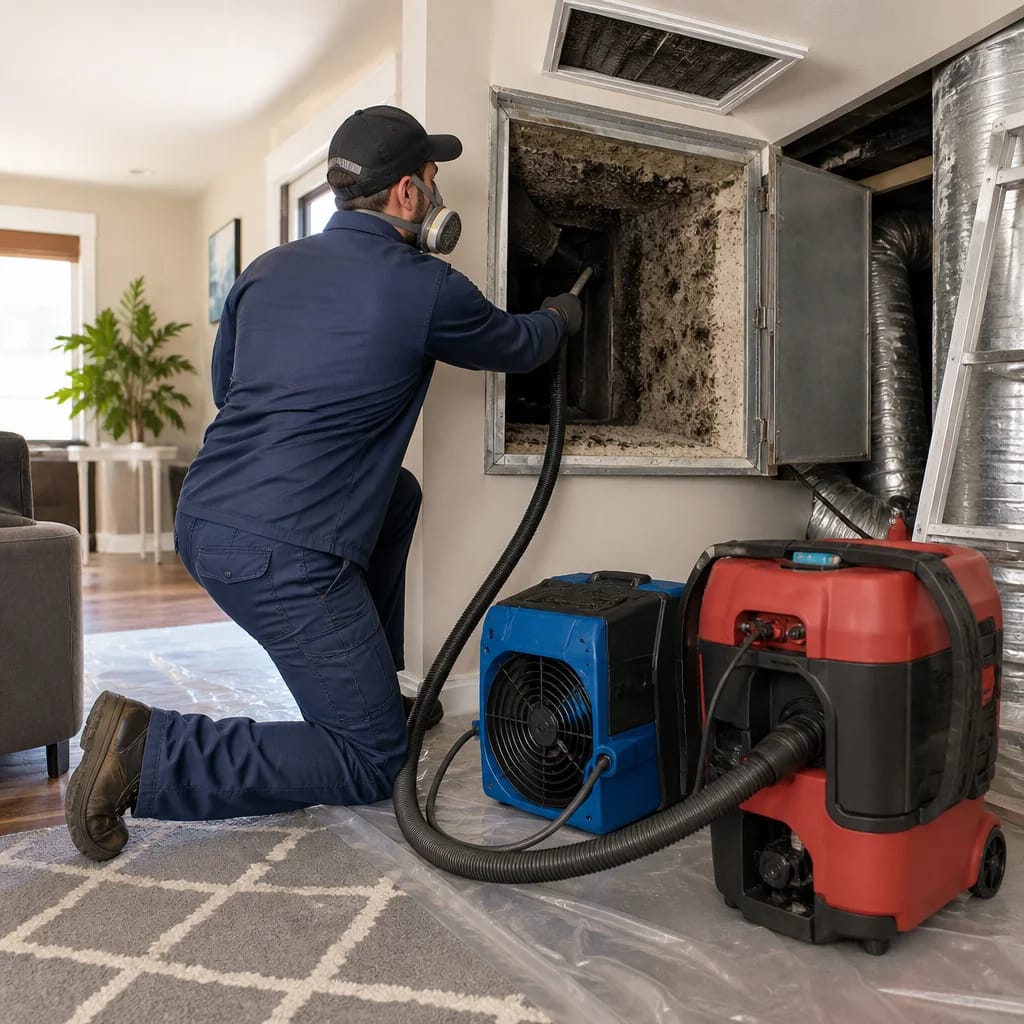
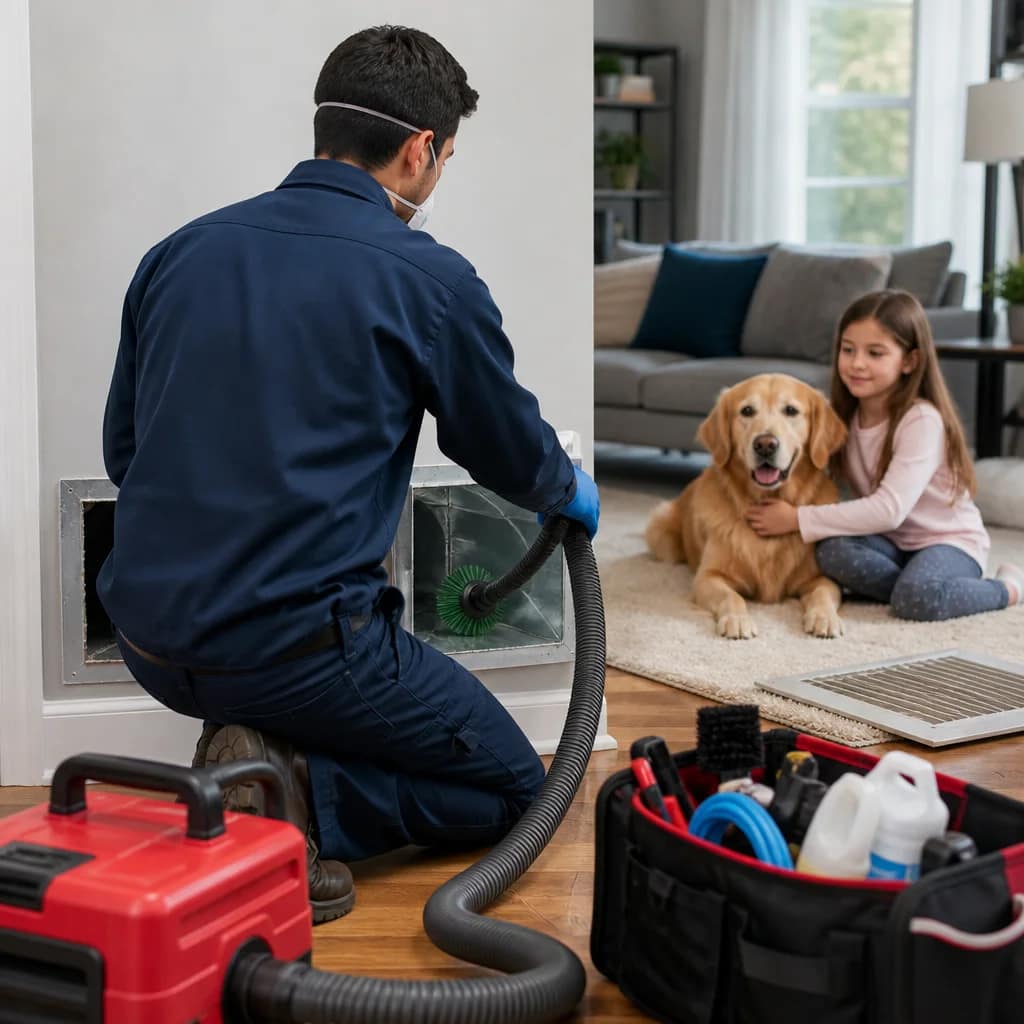
Professional equipment is fundamentally different. We use commercial-grade dryer vent cleaning systems that are specifically engineered to access the entire vent line, navigate bends, and extract lint completely. Our technicians have the training, equipment, and experience to assess your specific vent configuration and clean it thoroughly from the dryer connection to the exterior termination.
Professional cleaning also includes inspection. We can identify damaged ductwork, improper vent materials, missing or damaged screens, and other hazards that increase fire risk. When we find problems, we can address them before they cause a fire. A DIY approach leaves these hidden dangers undetected.
Top reasons to get professional dryer vent cleaning include fire risk reduction, improved drying efficiency, extended dryer lifespan, and peace of mind. Our professional service starting at $79 is an affordable investment in your safety and home protection.
Our Comprehensive Fire Prevention Approach
Our dryer vent cleaning service is built on the principle that fire prevention requires thorough, professional intervention.
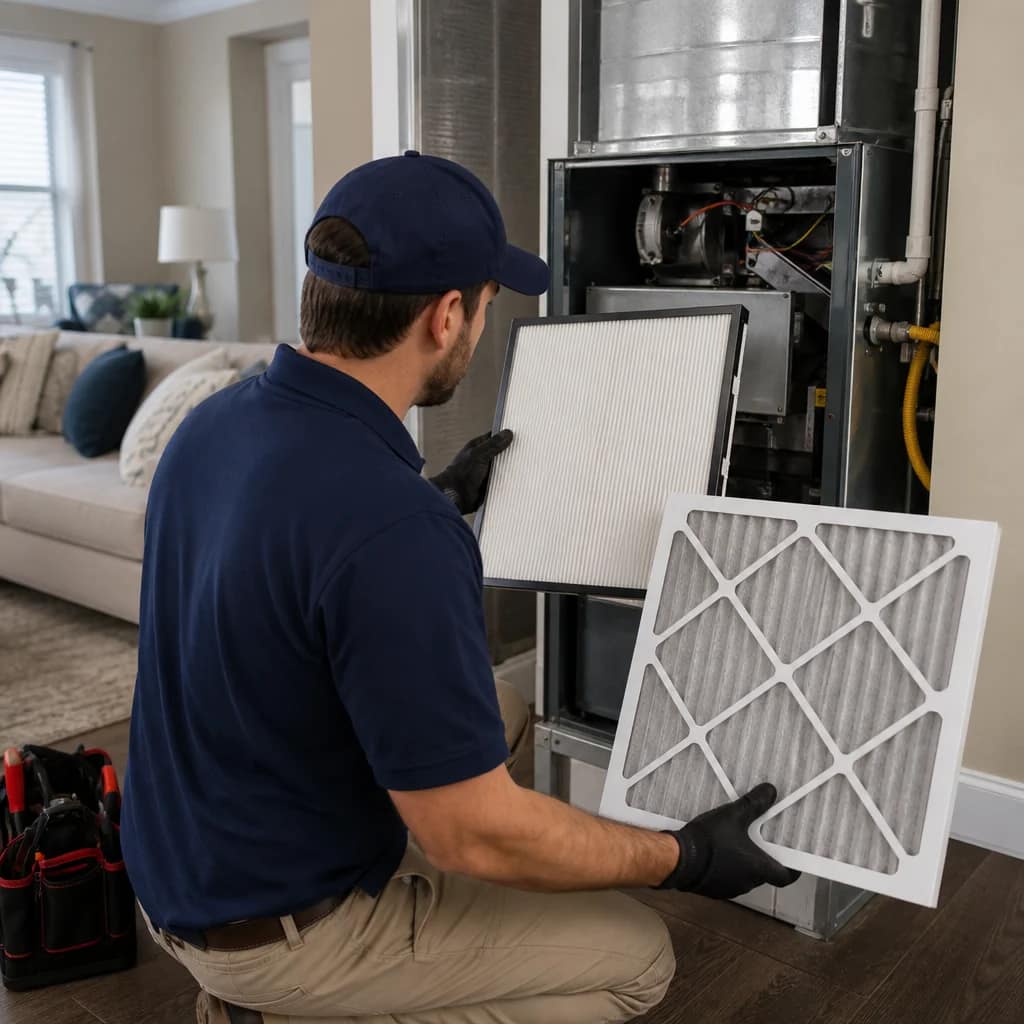
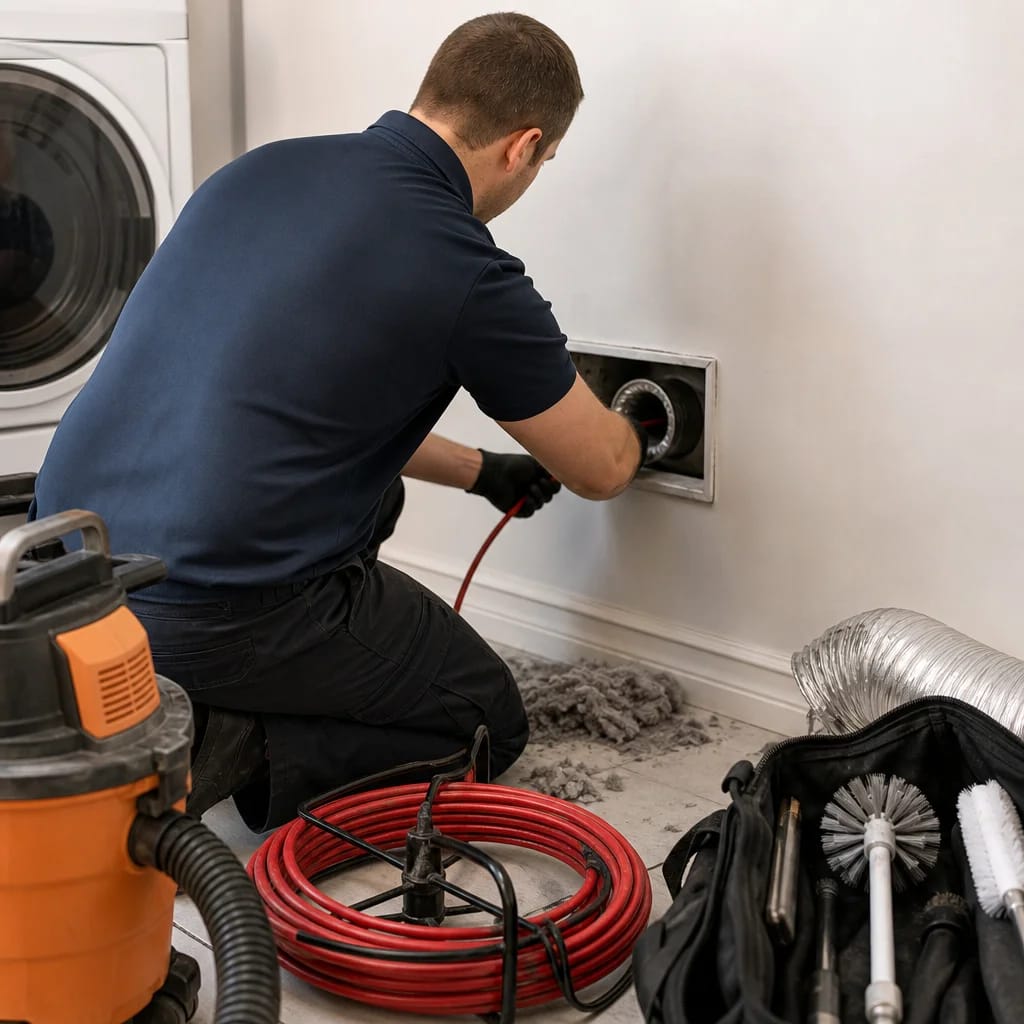
We begin with a complete inspection of your dryer and vent system. Our technicians examine the dryer itself, the vent line connections, ductwork routing, and the exterior termination. We identify lint accumulation, damage, improper materials, or configuration issues that increase fire risk.
Next, we perform complete vent line cleaning using professional-grade equipment. Unlike surface cleaning, we extract lint from the entire vent pathway, including hard-to-reach bends and transitions. We clean the dryer’s internal exhaust pathway as well, removing lint buildup that the lint trap doesn’t catch.
During the cleaning process, we inspect the ductwork for damage, holes, separations, or deterioration. Damaged ducts allow heated air and lint to escape into wall cavities where they pose additional fire risks. We can recommend repair or replacement if issues are found.
We also verify that your vent termination is functioning correctly and free of obstructions. A blocked exterior vent can cause internal pressure buildup and heat accumulation that’s just as dangerous as a clogged internal line.
Finally, we provide clear guidance on maintenance intervals and warning signs to watch for. Most homeowners benefit from professional cleaning annually or more frequently if you do heavy laundry loads.
How We Inspect and Clean for Maximum Safety
Our inspection process is thorough and systematic. We check for obvious blockages, lint accumulation, and visible damage. We assess how easily air flows through the system. We look for signs of previous partial cleaning attempts that may have left material behind.
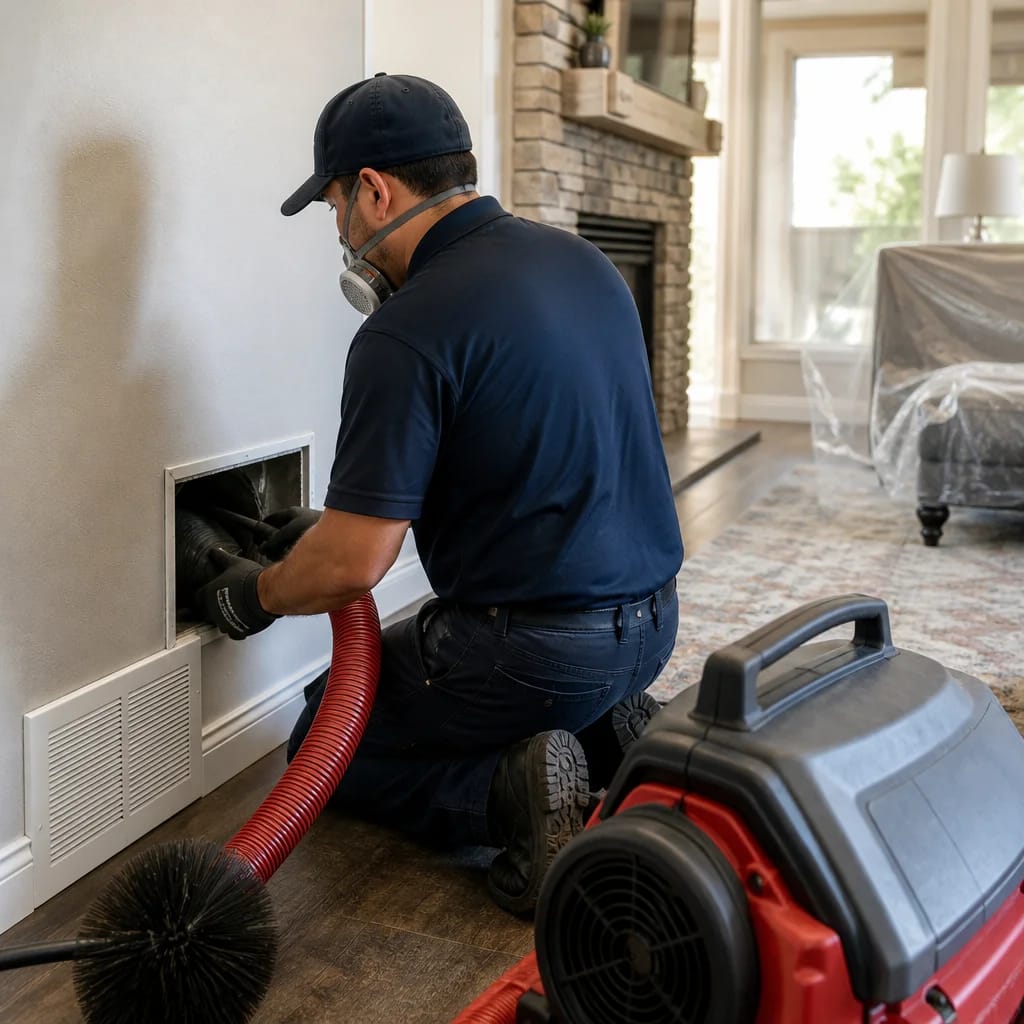
Our cleaning methodology uses rotary brush systems and compressed air technology that’s designed specifically for dryer vent applications. These tools are more powerful and precise than consumer-grade equipment. Brushes are sized and shaped to contact all interior duct surfaces. Air pressure helps dislodge stubborn lint and carry it out of the system.
Our technicians work carefully to avoid damaging the ductwork. This is important because even small holes or separations can become fire hazards. We route cleaning equipment to minimize risk to your home’s interior and exterior.
After cleaning, we perform a final inspection to verify that airflow has been restored and no remaining blockages exist. We test the dryer’s operation to confirm it’s functioning normally and that venting is effective.
We document what we found, what we cleaned, and any recommendations for repairs or future maintenance. This record is valuable for your own safety awareness and for insurance purposes if needed.
Why Dallas Homeowners Trust Our Service
We’ve been serving Dallas and surrounding North Texas communities for years, and we understand the local climate and housing styles that affect dryer vent systems. Older Dallas homes often have longer vent runs or more complex configurations that require expert knowledge.
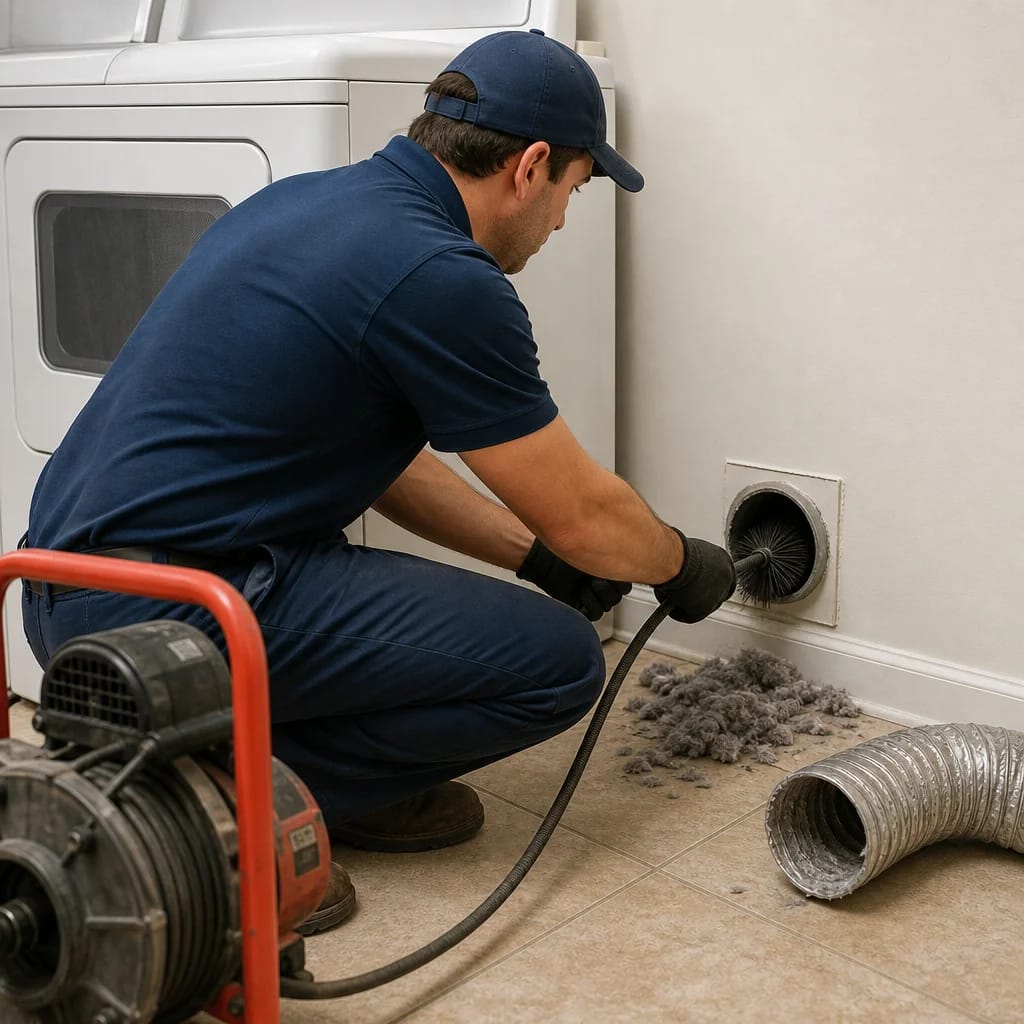
Our technicians are trained, professional, and committed to your safety. We don’t rush through inspections or cleaning. We take time to do the job right and to explain what we find and what it means for your home.
We’re responsive and accessible. We know that fire safety can’t wait. We offer fast appointment scheduling and 24/7 availability for urgent situations. When you call with concerns about your dryer vent, we treat it with appropriate priority.
We’re transparent about pricing. Our dryer vent cleaning starts at $79, and we provide clear estimates before we begin work. No surprise charges or hidden fees. We’re honest about what can be solved with cleaning alone and when repair or replacement is necessary.
Our customers trust us because we deliver consistent, reliable service and because we genuinely care about the safety of your home and family.
Getting Started With Your Dryer Vent Inspection Today
If your dryer has shown any warning signs—longer drying times, heat, burning smells, or lint accumulation—your vent needs professional attention now. Don’t wait for a problem to become a crisis.
Contact us for a professional dryer vent inspection and cleaning. We’ll schedule a time that works for you, arrive on schedule, and complete the work efficiently. You’ll get a clean, safe vent system and the confidence that you’ve eliminated a serious fire hazard in your home.
Our service starts at $79, and that includes thorough cleaning and inspection. When you consider the safety protection and energy savings, it’s one of the best investments you can make in your home.
Dryer vent fires are preventable. Professional cleaning and inspection are the most effective prevention strategy available. We’re here to help protect your Dallas home. Reach out to Dr. Air Duct today to schedule your dryer vent cleaning and take control of this critical safety issue.
Frequently Asked Questions (FAQ)
How often should we have our dryer vent cleaned to prevent fires?
We recommend professional dryer vent cleaning at least once per year for most Dallas homes. However, if you notice your dryer taking longer to dry clothes or you see lint around the vent opening, we suggest scheduling a cleaning right away rather than waiting. Households with larger families or those running dryers frequently may benefit from cleaning every six months.
Can we clean our dryer vent ourselves, or is professional cleaning necessary?
While you can remove lint from the dryer trap after each load, we strongly advise against DIY vent cleaning because blockages often form deep within the ductwork where basic tools cannot reach. Our professional equipment allows us to access the entire vent system and remove dangerous accumulations that create genuine fire hazards. We’ve found that many DIY attempts leave significant buildup behind, which defeats the purpose of maintenance.
What’s the difference between a clogged dryer vent and a blocked chimney when it comes to fire risk?
Both create serious fire hazards but require different solutions. We handle dryer vent fires by removing lint buildup that restricts airflow and traps heat, while our chimney services address creosote and debris that accumulate during wood burning. Each system needs specialized inspection and cleaning, which is why we offer comprehensive services for both to keep your entire home safe.