

Table of Contents
- Why Your Home Smells Like Your Air Ducts
- Common Causes of Musty and Foul Air Duct Odors
- How Odors Affect Indoor Air Quality and Respiratory Health
- Signs Your Ductwork Needs Professional Odor Removal
- Our Professional Air Duct Odor Removal Process
- Sanitizing Methods We Use to Eliminate Mold and Bacteria
- How Clean Ducts Improve Airflow and Energy Efficiency
- Preventing Odors from Returning With Routine Maintenance
- Why Dallas Property Owners Choose Dr Air Duct
- Schedule Your Air Duct Odor Removal Service Today
- Frequently Asked Questions (FAQ)
Why Your Home Smells Like Your Air Ducts
If your house has a stale, musty, or sour smell that seems to come from the vents, you are not imagining it. Your HVAC system pulls air from every room, filters it, and pushes it back out, so anything that builds up inside the ductwork gets circulated throughout the home. A smell you notice in the living room may be starting in a duct that runs through a hot, damp attic.
In Dallas, humidity, summer heat, and long cooling seasons create ideal conditions for odor-causing growth. We often see homeowners who notice the smell most when the system first kicks on after being off for a few hours. That pattern usually points to moisture and organic debris sitting in the ducts.
What to do next: Note when the smell is strongest (startup, humid days, after rain) and which rooms are affected. That information helps a technician narrow down the source quickly.
Common Causes of Musty and Foul Air Duct Odors
Odors rarely come from a single source. Most come from a combination of conditions that build up over time:
- Dust and debris: Pet dander, skin cells, and dust settle inside ducts and feed microbial growth.
- Moisture from condensation: Cooling coils and ductwork in unconditioned spaces can sweat, especially when insulation is damaged or missing.
- Mold and mildew: Damp surfaces inside the system can grow mold, which produces the classic earthy or musty smell.
- Bacteria: Organic buildup can support bacteria that create sour or stale odors.
- Leaky or disconnected ducts: Gaps can pull in attic air, insulation dust, or rodent droppings.
- Drain pan problems: A clogged or standing-water condensate pan can produce strong odors that travel through the air handler.
- Pests: Rodents, insects, or nesting debris in ducts can leave behind unpleasant smells.
Quick check: A musty smell that appears only when the system runs often points to moisture. A rotten or sewer-like smell can suggest a drain or pest issue. Odors that linger even when the system is off may come from something else in the home, such as a crawl space or chimney. Our guide to diagnose musty duct odors walks through how to tell these sources apart.
How Odors Affect Indoor Air Quality and Respiratory Health
Odors are a signal that something is circulating through your air. Dust, mold spores, and bacterial byproducts can travel through the ducts and settle in bedrooms, kitchens, and offices. For some people, especially those with asthma, allergies, or sensitivity to mold, this can mean sneezing, congestion, itchy eyes, or worsened breathing.

We want to be clear about what we can and cannot claim here. We are not medical professionals, and we cannot say exactly how any particular person will react. What we can say is that reducing the amount of dust, debris, and microbial growth in ductwork can help keep the air moving through your home cleaner, and that is a reasonable goal for anyone who has noticed persistent odors.
Practical step: If someone in your household has respiratory symptoms that seem worse indoors, talk with a doctor about the symptoms and keep a record of when they occur. Pair that with a professional duct inspection so both sides of the picture are covered.
Signs Your Ductwork Needs Professional Odor Removal
Some odors can be managed with simple steps like replacing a filter or emptying a drain pan. Others point to deeper buildup that needs professional attention. Consider calling a technician if you notice:
- A smell that returns quickly after you clean vents or change filters
- Visible dust puffing out of registers when the system starts
- Dark staining, grime, or fuzzy growth around vents or on duct interior surfaces you can see
- Odors that worsen during humid weather or after rain
- Rodent activity, droppings, or insect debris near ducts or vents
- Damp or sagging insulation around ductwork in the attic or crawl space
- Allergy or breathing complaints that seem to improve when you leave the house
If two or more of these apply, a professional inspection is a sensible next step. A technician can see what you cannot, including areas deep in the trunk lines and at the air handler.
Our Professional Air Duct Odor Removal Process
When a Dallas homeowner or property manager calls us about an odor, we follow a structured process so the work is thorough and the results are documented:
- Inspection: Our technicians check supply and return ducts, the air handler, coils, and drain pan. We use inspection cameras to look inside ducts where access allows.
- Source identification: We determine whether the odor comes from microbial growth, debris, moisture, leaks, pests, or a combination.
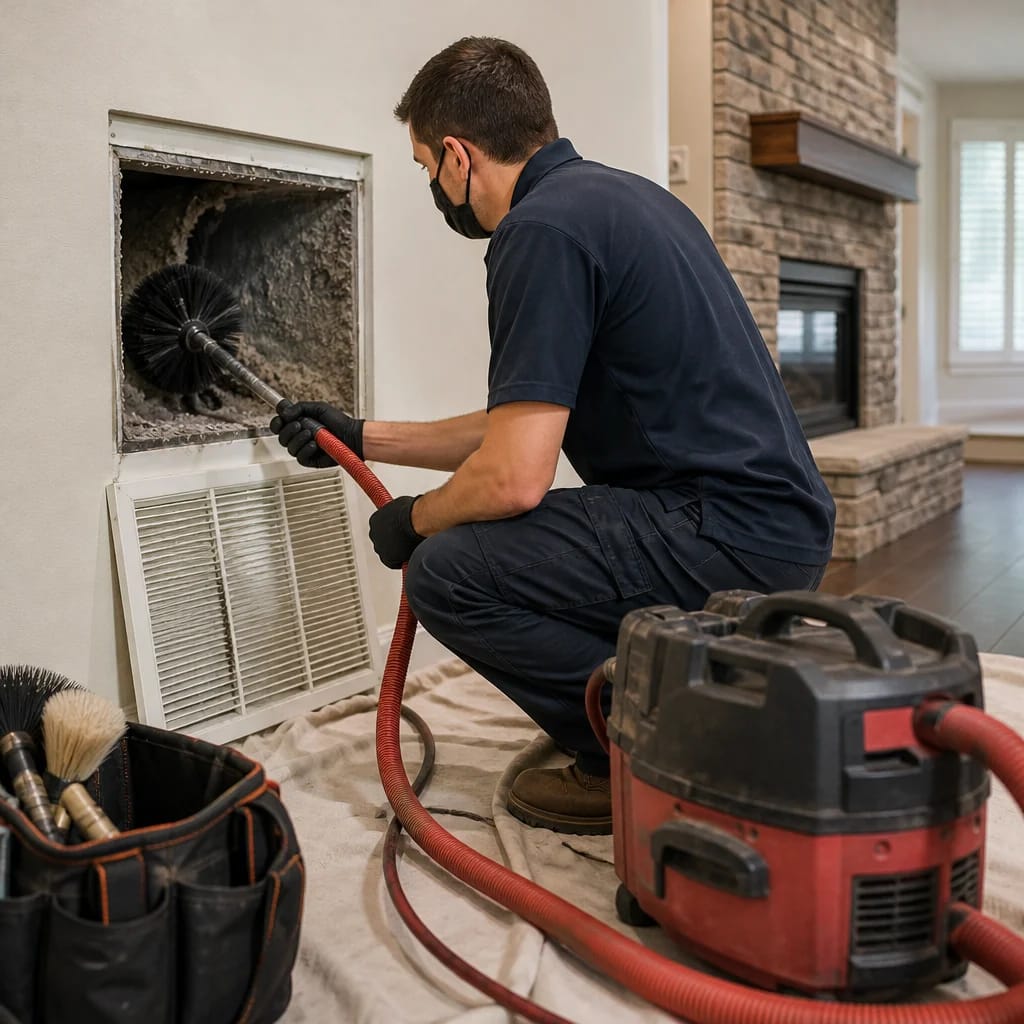
- Cleaning: We remove accumulated dust and debris from ducts, registers, and the air handler using truck-mounted or portable equipment matched to the size of the system.
- Repair or sealing: Where we find leaks, damaged insulation, or disconnected sections, we recommend and perform repairs so the problem does not return.
- Sanitizing: After cleaning, we apply an approved sanitizing treatment to address microbial growth (more on this below).
- Final check: We review the work with you, explain what we found, and outline any follow-up recommendations.
We provide written estimates before starting work, so you know what to expect.
Sanitizing Methods We Use to Eliminate Mold and Bacteria
Cleaning removes material. Sanitizing treats surfaces to reduce microbial growth. Both steps matter, and we treat them as separate services.
Our sanitizing process generally includes:

- Surface treatment: Approved antimicrobial solutions applied to duct interiors and components after cleaning.
- Coil and drain pan attention: Targeted treatment of the air handler, where moisture often collects.
- Dry-time verification: Ensuring surfaces are dry before the system resumes normal operation.
It is important to be honest about limits. Sanitizing can reduce mold and bacteria on treated surfaces, but no service can guarantee complete elimination of all microorganisms in a home. Moisture problems, damaged insulation, and leaks must be addressed, or growth may return. If we find visible mold over a large area, we will explain the scope and recommend the appropriate next steps.
How Clean Ducts Improve Airflow and Energy Efficiency
Ducts clogged with dust and debris restrict airflow. Your system has to work harder to push the same amount of air to each room, which can make rooms feel uneven and the system run longer.
Clean, sealed ducts may improve airflow, which can help your system move air more evenly. Repairing leaks can also reduce the amount of conditioned air lost into attics or crawl spaces. Together, these changes may support more consistent comfort and can contribute to better efficiency. We do not promise specific energy savings, since results depend on your system, home, and usage. Many customers, however, notice more even temperatures between rooms after a cleaning and repair visit.
Next step: If certain rooms never seem to reach the thermostat setting, ask your technician to measure airflow at those registers during your inspection.
Preventing Odors from Returning With Routine Maintenance
Odor removal is most effective when followed by simple habits that slow new buildup:
- Change filters on schedule: Check filters monthly during heavy use, and replace them when dirty. Higher-efficiency filters capture more particles, but confirm your system can handle them.
- Keep drain lines clear: Flush the condensate drain periodically and check the drain pan for standing water.
- Keep vents unobstructed: Furniture and rugs can trap dust and reduce airflow.
- Control humidity: Using your system’s dehumidification settings and monitoring indoor humidity helps reduce moisture buildup in ductwork.
- Schedule periodic inspections: Many homes benefit from a professional check every one to two years, and sooner if you have pets, allergies, or frequent renovation dust.
- Address leaks and insulation promptly: Repairs made early cost less than dealing with widespread growth later.
Our maintenance plans can be tailored to your home, whether you need a basic annual check or a more frequent schedule.
Why Dallas Property Owners Choose Dr Air Duct
Dallas homes and businesses face heat, humidity, dust, and seasonal swings that make air quality harder to maintain. We focus on serving this area with dependable, straightforward service.
What you can expect from us:

- Trained technicians who inspect before recommending work
- Proper equipment for cleaning, sanitizing, and inspection
- Clear communication with written estimates and plain-language explanations
- Responsive scheduling, including 24/7 availability for urgent situations
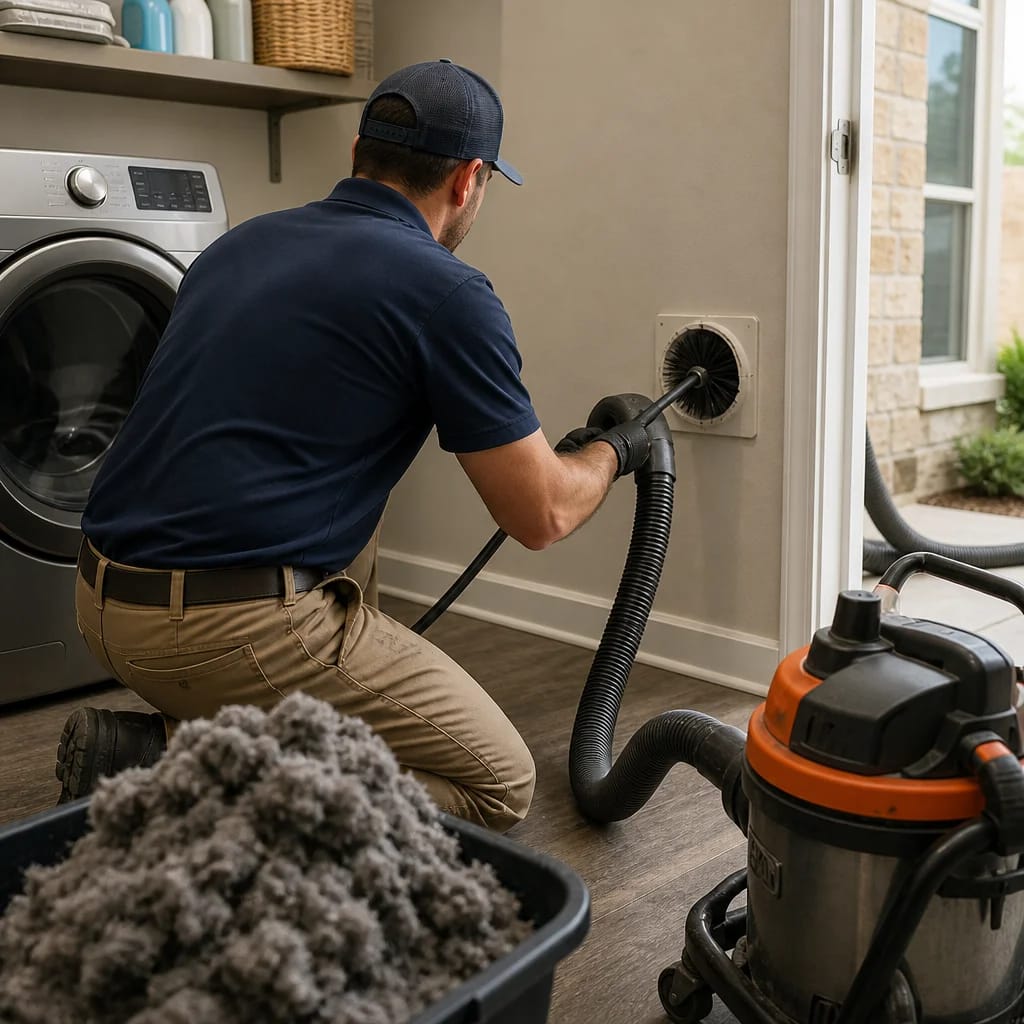
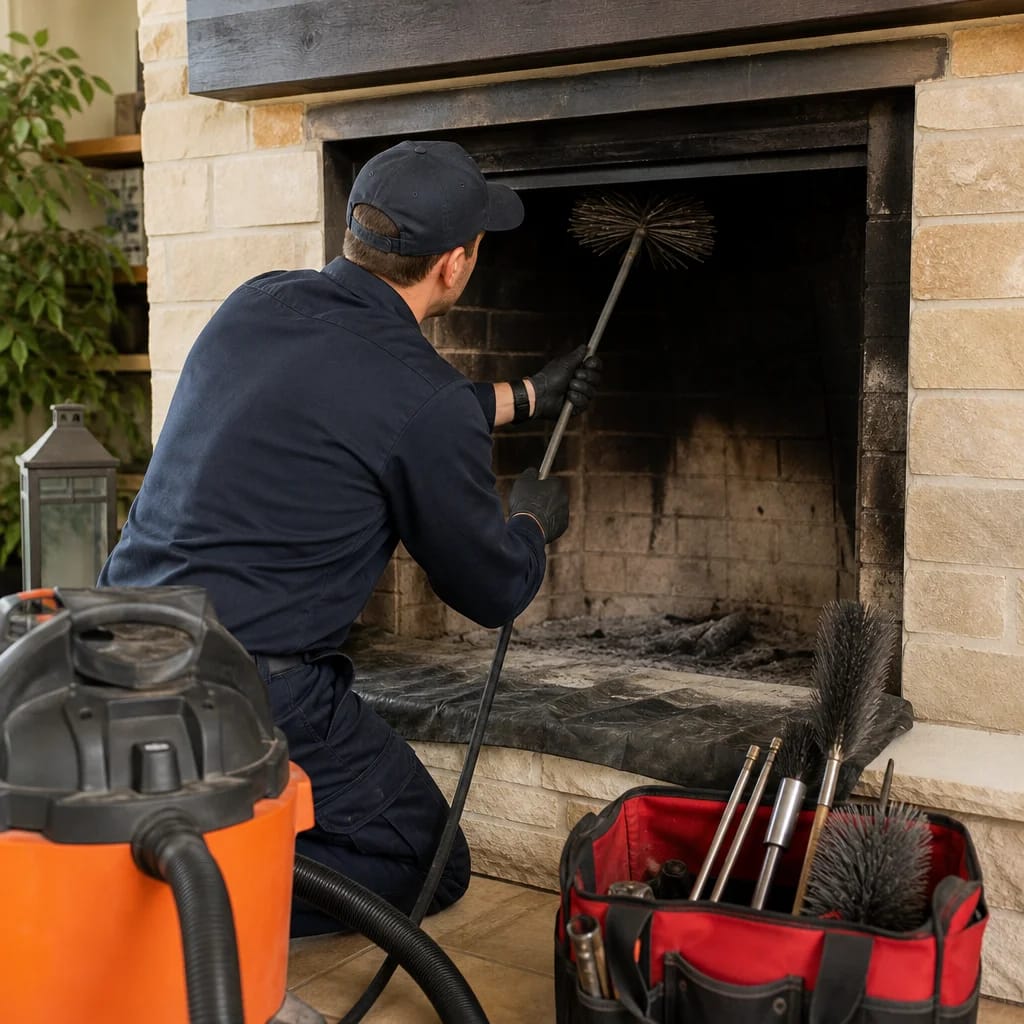
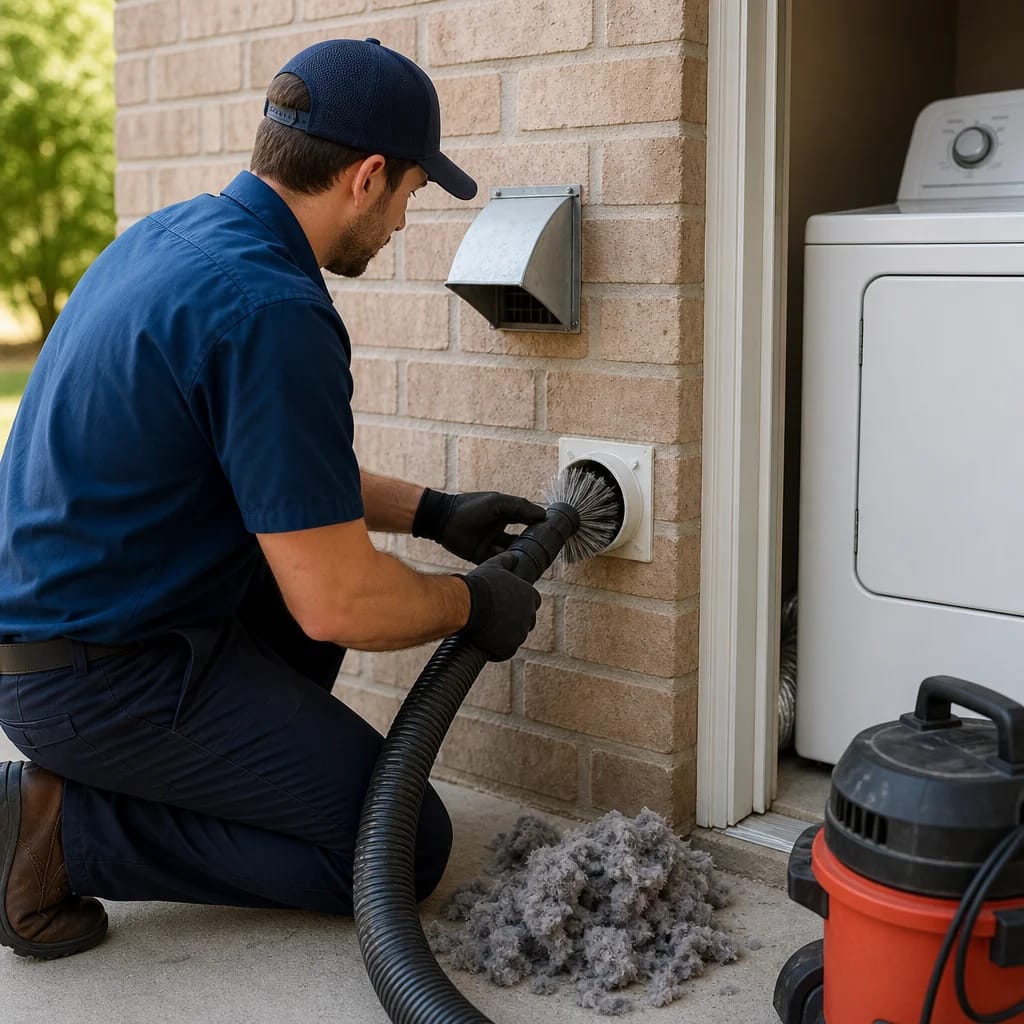
- Full service range covering air duct cleaning and repair, dryer vent cleaning, and chimney sweeping and safety inspections, so you can handle several home maintenance needs with one provider
We aim to earn your trust by doing the job right and being honest about what your home needs and what it does not. Our Dallas odor response page explains how we handle urgent situations in more detail.
Schedule Your Air Duct Odor Removal Service Today
If your home has a persistent smell that comes through the vents, a professional inspection is the fastest way to find the source. Here is how to get started:
- Note when and where the odor is strongest, and whether anyone in your home has noticed symptoms.
- Check your filter and drain pan for obvious problems you can safely address.
- Contact Dr Air Duct through our website at drairducttx.com to schedule an inspection and written estimate.
- Ask for a clear explanation of findings and recommended next steps before any work begins.
We serve Dallas and surrounding Texas communities, and we are ready to help you breathe easier and enjoy fresher air at home or at your business.
Frequently Asked Questions (FAQ)
How do you remove odors from air ducts?
We start with a full inspection to locate the source of the smell, whether that is mold growth, bacteria, debris buildup, or a moisture problem. Our crew then cleans the ducts thoroughly and applies an EPA-registered sanitizer to treat the surfaces where odor-causing microbes live. Once the work is done, we confirm the results so you know the smell is addressed at its origin rather than just masked.
How long does professional air duct odor removal take?
Most residential jobs take a few hours, depending on the size of your home, the length of your ductwork, and how severe the buildup is. Larger commercial systems may require a longer schedule, and we will give you a clear time estimate before we begin. We aim to work efficiently without cutting corners on inspection or sanitizing.
How can we keep odors from coming back after service?
We recommend scheduling routine maintenance so that dust, moisture, and debris do not accumulate in your system again. We also check your air filters, drainage, and vent seals during each visit so we can catch small issues before they turn into odor problems. If you notice a return of the smell between visits, contact us and we will take a look.