

Have you noticed your clothes taking forever to dry lately? Maybe your laundry room feels like a sauna? These are classic signs of a clogged dryer vent. It’s something many homeowners ignore until it becomes a serious problem.
Let’s talk about why this matters, how to spot the warning signs, and what you can do to fix a clogged dryer vent before it leads to bigger headaches.
Signs Your Dryer Vent is Blocked: Symptoms to Watch For
You don’t need fancy equipment to know if your dryer vent is clogged. Your appliance will practically tell you! The most apparent sign is clothes that take much longer than usual to dry. If you’re running the machine twice for a single load, that’s a red flag.
Another clue is when your dryer or laundry room feels super hot. A clogged vent means hot air isn’t escaping properly. You might also notice a burning smell when it runs, which happens when lint builds up and gets too hot.
Trust me, this is not something you want to ignore. That musty smell on your “clean” clothes? Yep, that could be from a clogged dryer vent, too.

DIY Solutions: How to Clean Your Dryer Vent at Home
Many folks don’t realize they can tackle a clogged dryer vent themselves. It’s often simpler than you think, but there are some important things to know before you start poking around your dryer.
Is DIY Dangerous? Pros & Cons
The good news is that cleaning your own dryer vent can save you money and isn’t rocket science. The basic process involves disconnecting your dryer, cleaning out the lint, and making sure air flows freely through the system.
The downside? If you don’t do it right, you could damage your dryer or vent system. There’s also the risk of not getting all the lint out, which defeats the purpose.
For really long or complex vent systems that twist through walls, DIY methods might not reach all areas where lint builds up.
Using a Dryer Vent Cleaning Kit: From External Vent to Lint Trap
If you decide to go the DIY route, grab a dryer vent cleaning kit from your local hardware store. They usually cost under $30 and include flexible rods that connect to reach deep into your vent.
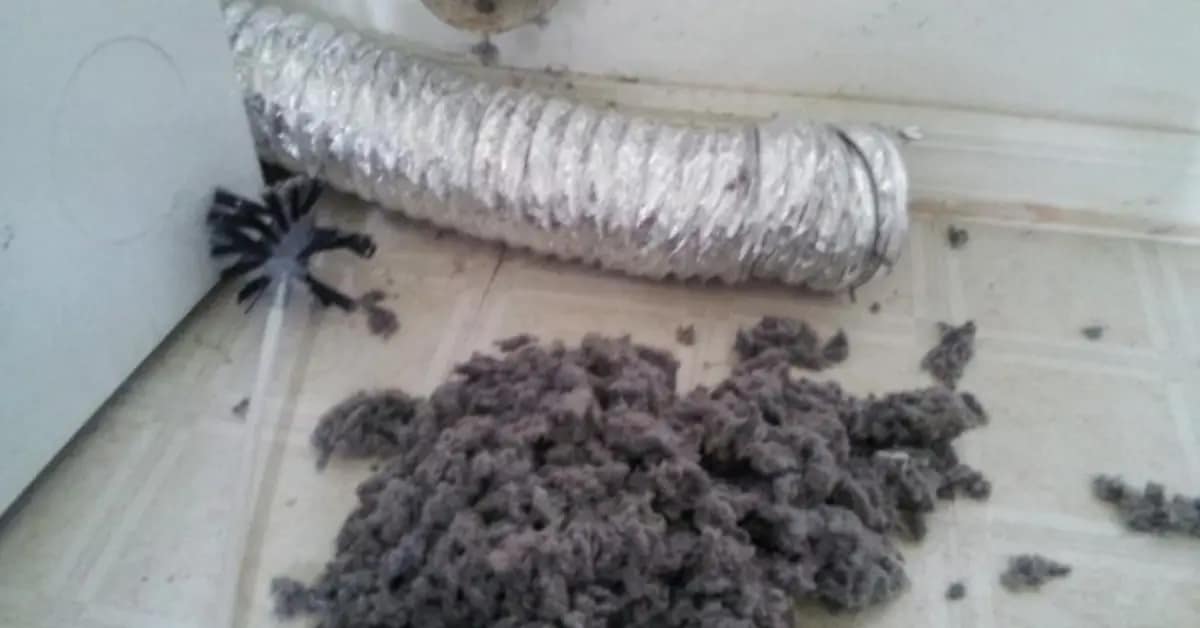
Start by unplugging your dryer and pulling it away from the wall. Disconnect the pipe from both the dryer and the wall. Use the kit to clean from both ends, the sides, and the outside opening. The brushes on these kits are designed to grab lint without damaging the vent. Don’t forget to clean the lint trap area, too; it’s not just about the external parts!
When to Call Professional Clogged Dryer Vent Cleaning Services
Sometimes, calling in the pros is the smartest move. If your vent runs a long distance, goes through multiple floors, or if you’ve tried DIY methods without success, it’s time for professional help with that stubborn clogged dryer vent.
Professional cleaning is also a good idea if it’s been years since your last cleaning. They have specialized tools that can reach places your DIY kit can’t. The cost typically ranges from $100-$200, which is a small price compared to the fire hazard of an extremely clogged vent or the cost of a new one.
What to Expect: Disconnect, Clean the Vent, and Test the Dryer
When pros come to clean your vent, they’ll disconnect your dryer completely. Most use powerful vacuum systems combined with rotating brushes that can clean the entire length of your duct.
Good technicians will clean from both inside and outside your home. They’ll remove the exterior cover to make sure everything is clear all the way through.
After cleaning, they should reconnect everything and run a test cycle to confirm proper airflow and venting. The whole process usually takes less than an hour.
Keep Your Home Safe: Preventing Clogged Dryer Vent Issues
Prevention is always easier than dealing with a fully clogged dryer vent. Making a few simple habits part of your routine can keep problems at bay and keep it running efficiently.
Clean your lint trap before every single load, not just when it looks full. Check your exterior vent cover regularly to make sure it opens and closes properly when it runs. Consider a professional cleaning once a year if you use your dryer heavily.
Here are some quick prevention tips:
- Keep the area around your dryer clean and dust-free
- Make sure your vent hose isn't crushed between the dryer and wall
- Replace plastic or foil pipes with rigid metal ducts
- Avoid running it when you're not home
- Schedule annual inspections if it gets heavy use
Taking these small steps can prevent big problems down the road. Your machine will run better, your clothes will dry faster, and most importantly, you’ll reduce the risk of a fire in your home.

Frequently Asked Questions
How often should I clean my lint trap and exhaust system?
Clean your lint trap after every load of laundry, no exceptions! For the entire exhaust system, aim for a thorough cleaning at least once per year. Households with pets, large families, or heavy laundry usage should consider maintenance every six months.
Regular upkeep prevents lint buildup, improves efficiency, and reduces fire hazards. The few minutes you spend on this simple task can save you money on energy bills and extend your appliance’s lifespan.
What's the average cost of professional cleaning services?
Professional cleaning services typically range between $100-$200 for standard residential systems. Factors affecting price include the length and complexity of your exhaust pathway, your location, and how accessible your connections are.
Some companies offer package deals if you combine with other home maintenance services. While this might seem steep compared to DIY options, professional equipment reaches deeper and cleans more thoroughly, making it a worthwhile investment for home safety.
How can I tell if my machine is working efficiently after cleaning?
After cleaning, your clothes should dry completely in a single cycle, taking 30-50 minutes for an average load. The appliance and laundry area shouldn’t feel excessively hot during operation.
You’ll notice reduced humidity and no burning smells. A properly functioning system will have visible air movement at the exterior outlet when running.
Your energy bills should decrease as your machine operates more efficiently, requiring less electricity to dry each load.
What causes dryer vents to become clogged?
Dryer vents clog when lint, dust, and debris accumulate in the duct over time. This happens because lint escapes the lint trap during drying cycles and sticks to vent walls, especially if airflow is restricted. Bends in the duct, long vent runs, and poor installation worsen buildup. Birds or rodents nesting in outdoor vents can also block airflow, creating safety and efficiency issues.
Why is a clogged dryer vent dangerous?
A clogged vent restricts airflow, causing dryers to overheat and potentially ignite lint, which is highly flammable. The U.S. Fire Administration reports thousands of home fires annually from this issue. Poor ventilation also traps moisture and carbon monoxide (in gas dryers), creating health risks. Additionally, overheating shortens dryer lifespan, raises energy costs, and can damage clothing fibers through excessive heat exposure.
How can you tell if your dryer vent is clogged?
Signs of a clogged vent include clothes taking longer to dry, the dryer or laundry room feeling unusually hot, and a burning or musty smell during operation. You may also notice lint around the vent opening or poor airflow from the exterior exhaust. If the dryer shuts off mid-cycle or the outside vent flap barely moves, it’s time for a professional cleaning.