

Table of Contents
- Why Musty Odors Appear After Attic Work
- How Air Ducts Can Become the Source of Odor Problems
- When Insulation Issues Cause That Unpleasant Smell
- Chimney and Ventilation Problems That Trigger Musty Odors
- Our Step-by-Step Diagnostic Process for Odor Identification
- What Our Professional Inspection Reveals About Your System
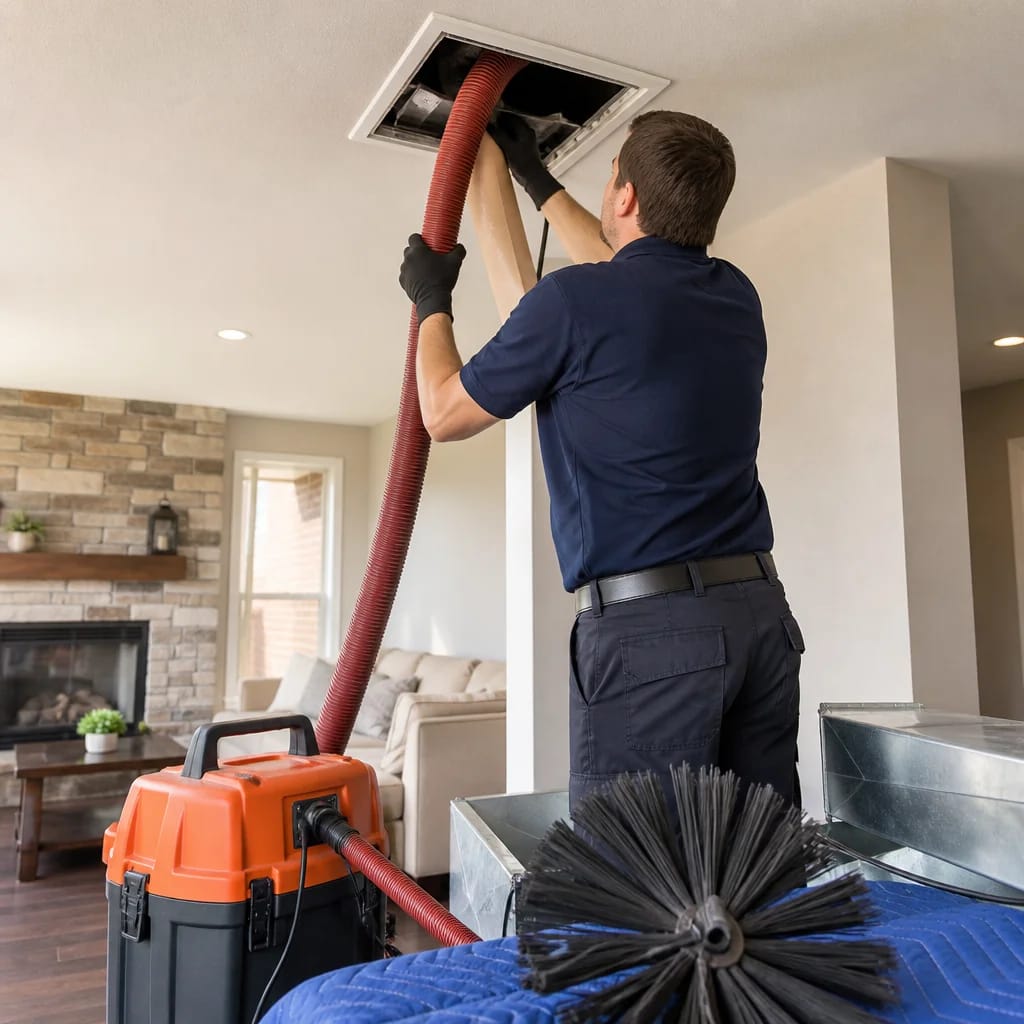
- Air Duct Cleaning and Sanitization to Eliminate Odors
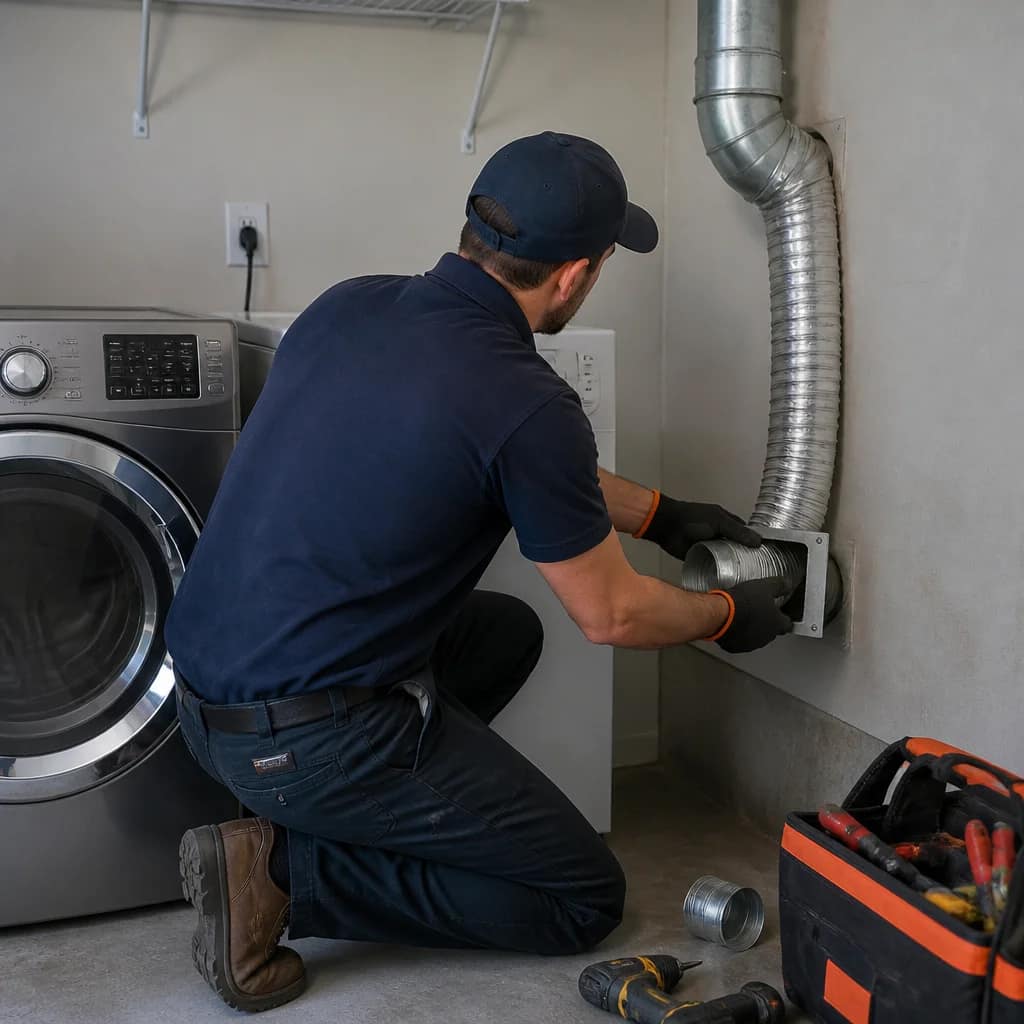
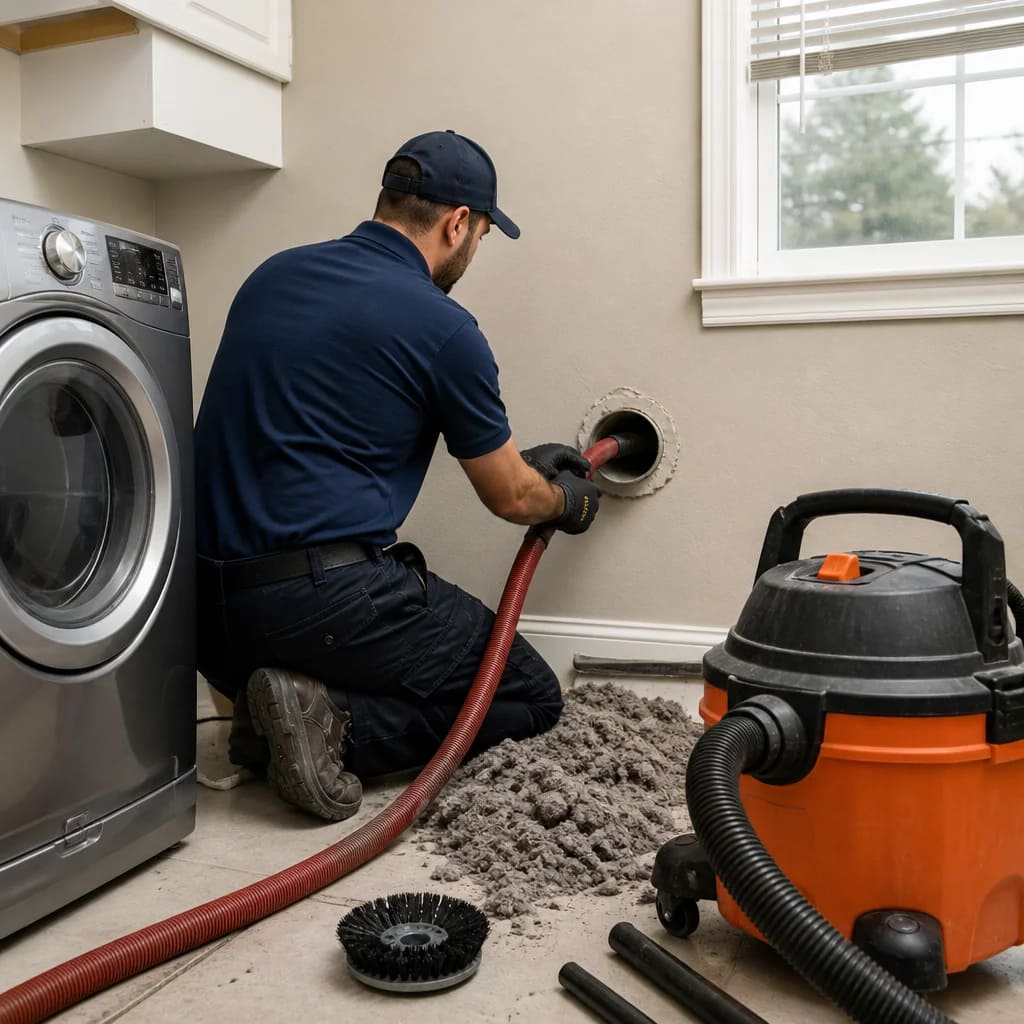
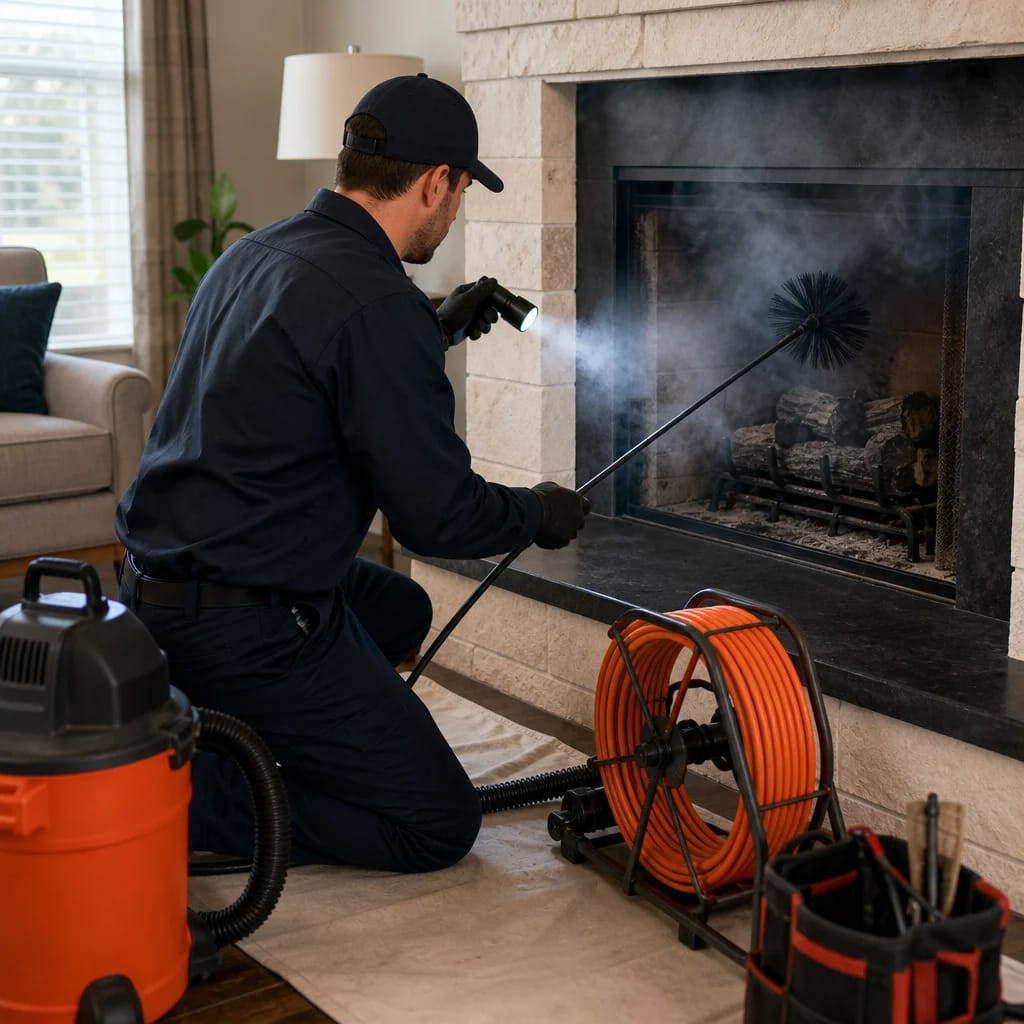
- Dryer Vent and Chimney Inspection as Part of the Solution
- How to Prevent Musty Odors in Future Attic Projects
- Why Professional Assessment Saves You Time and Money
- Get Your Attic Odor Problem Solved Today
- Frequently Asked Questions (FAQ)
Why Musty Odors Appear After Attic Work
Attic projects like insulation upgrades, repairs, or ventilation work often uncover an unwelcome side effect: a persistent musty smell that seems to settle throughout your home. If you’ve recently had work done in your attic and now notice an unpleasant odor drifting through your vents, you’re not alone. Many Dallas homeowners face this problem, and the source isn’t always obvious.
The good news is that musty odors after attic work are diagnosable and treatable. The challenge lies in identifying whether the smell originates from your air duct system, insulation, chimney, or ventilation setup. We’ve helped dozens of Dallas property owners pinpoint and eliminate these odors, and we want to walk you through what causes them and how professional inspection can get your home smelling fresh again.
Attic work disturbs settled dust, debris, and moisture that have accumulated over years. When contractors move through your attic space, they can inadvertently release particles into your HVAC system or create conditions that allow odors to escape through your home’s ductwork and living spaces.
Several factors combine to create the perfect environment for musty smells:
- Moisture exposure during or after the work (rain, condensation, or humidity trapping in new insulation)
- Dust and construction debris settling into air ducts or on ductwork surfaces
- Disruption of stagnant air pockets that held trapped odors for months or years
- Increased air circulation through your HVAC system after new work is completed
- Inadequate sealing or ventilation adjustments made during the project
The smell typically appears within days of attic work, though it can develop weeks later if moisture or mold growth is involved. Don’t assume the odor will fade on its own. Professional diagnosis prevents the problem from worsening and identifies whether your HVAC system needs cleaning or if other components are involved.
How Air Ducts Can Become the Source of Odor Problems
Your air duct system is a network of passages that distributes conditioned air throughout your home. It’s also a common culprit for musty odors, especially after attic work.
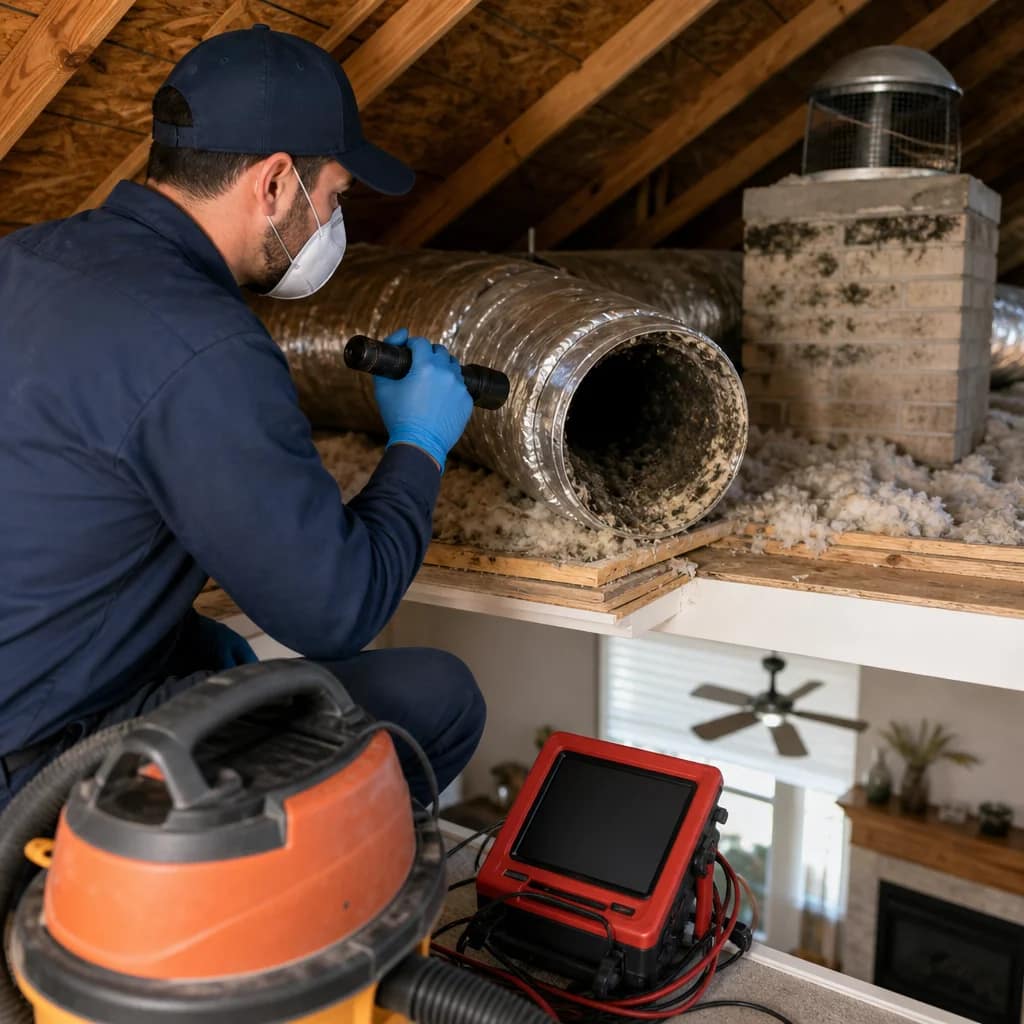
When contractors access your attic, they may disturb the ductwork itself or loosen dust and debris that has accumulated inside the ducts over time. Construction activity can also create small gaps or disconnections in ductwork, allowing unconditioned air (and odors) from your attic to enter the duct system. If moisture entered your ducts during the project, mold and mildew can develop quickly in the dark, humid environment inside the ducts.
Common signs that your air ducts are the odor source include:
- Smell intensifies when your HVAC system runs
- Odor is strongest near supply vents or return air grilles
- The musty scent comes and goes with heating or cooling cycles
- You notice visible dust or debris around vent openings
Over time, dust and biological growth inside ducts can restrict airflow, reduce HVAC efficiency, and spread odors throughout your home. We recommend professional air duct cleaning to remove accumulated debris and address mold or mildew concerns. Sanitization treatments can further eliminate odor-causing bacteria and spores.
When Insulation Issues Cause That Unpleasant Smell
New or disturbed insulation is often blamed for musty odors, though the culprit is usually the insulation getting wet or trapping moisture rather than the material itself.
Fiberglass and mineral wool insulation can absorb and retain moisture, creating an ideal breeding ground for mold and mildew. If your attic work involved insulation replacement and rain occurred during installation, or if ventilation was compromised, moisture can become trapped. The smell develops as mold spores multiply in the damp insulation, and air circulation through your home spreads the odor.
Cellulose insulation (recycled paper products) is particularly prone to moisture absorption and musty odors if not kept dry during and after installation. Some homeowners also notice chemical odors from new fiberglass insulation, though these typically fade within days.
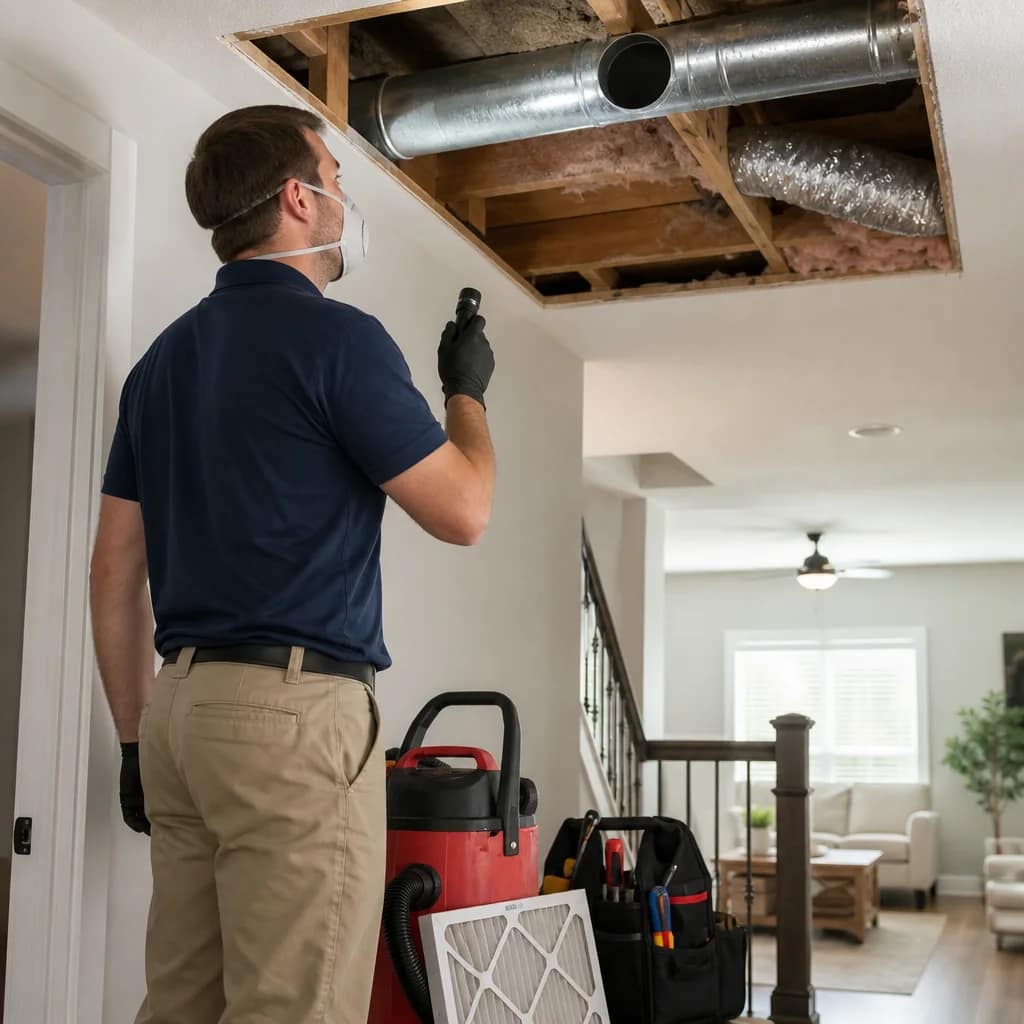
To determine if insulation is the problem:
- Check your attic for signs of moisture, dampness, or discoloration on the insulation
- Look for visible mold growth or dark spots on insulation surfaces
- Assess whether your attic ventilation is adequate (soffit and ridge vents should be clear and balanced)
- Verify that the contractor properly sealed air leaks to prevent warm, humid interior air from entering the insulation layer
If insulation appears damp or moldy, addressing the moisture source is critical. This might involve improving attic ventilation, sealing air leaks, or installing additional exhaust fans. In some cases, affected insulation will need replacement. Poor ventilation or roof leaks that went unaddressed during the attic work can also drive musty odors.
Chimney and Ventilation Problems That Trigger Musty Odors
Your chimney and attic ventilation systems work together to manage moisture and air movement in your home. Attic work can disrupt this balance, creating musty odors.
If your project involved moving or disconnecting vent pipes, damaging chimney flashing, or blocking chimney draft, moisture can back up into your attic and spread through your home. A chimney that isn’t drawing properly can pull damp attic air into your living spaces instead of exhausting it outside. Similarly, blocked or disconnected bath fans, range hoods, or dryer vents can cause backdrafting and moisture accumulation.
Common ventilation issues after attic work include:
- Chimney flashing gaps or damage allowing rain into the attic
- Blocked or obstructed attic vents (soffit, ridge, or gable vents)
- Disconnected or crushed flexible ductwork for exhaust fans
- Damper or dampers left in the wrong position
- Inadequate makeup air, causing negative pressure and backdrafting
We recommend having a professional inspect your chimney and ventilation system after any attic work. This ensures all components are properly connected, sealed, and functioning. A blocked or poorly functioning chimney can introduce stale, moldy air into your home and prevent moisture from escaping your attic effectively.
Our Step-by-Step Diagnostic Process for Odor Identification
Diagnosing the source of a musty odor requires a systematic approach. We don’t guess. Instead, we follow a structured process that narrows down the cause and leads to the right solution.
Step 1: Initial Assessment and History We start by learning about your attic work. What was done? When was it completed? Did rain or moisture exposure occur? Have you noticed any other issues (humidity, condensation, visible mold)? This context is invaluable.
Step 2: Visual Inspection of Accessible Areas We inspect your attic space, looking for signs of moisture, mold, poor ventilation, disconnected ducts, or damaged insulation. We check attic vents, dampers, and ductwork for obvious problems.
Step 3: HVAC System Evaluation We examine your furnace, air handler, ductwork, and vents. We assess whether debris or moisture is present in the system and whether ductwork is properly connected and sealed.
Step 4: Chimney and Exhaust System Check We verify that your chimney, dryer vent, bath fans, and range hood are functioning correctly and drawing properly.
Step 5: Moisture and Mold Assessment We use tools to measure humidity levels and check for mold or mildew in ducts, attic space, and insulation.
This thorough approach ensures we identify the actual source, not just treat symptoms. Once we’ve diagnosed the problem, we recommend a targeted solution.
What Our Professional Inspection Reveals About Your System
A professional inspection uncovers details that visual inspection alone cannot. We look beyond the obvious to identify root causes and prevent recurring problems.
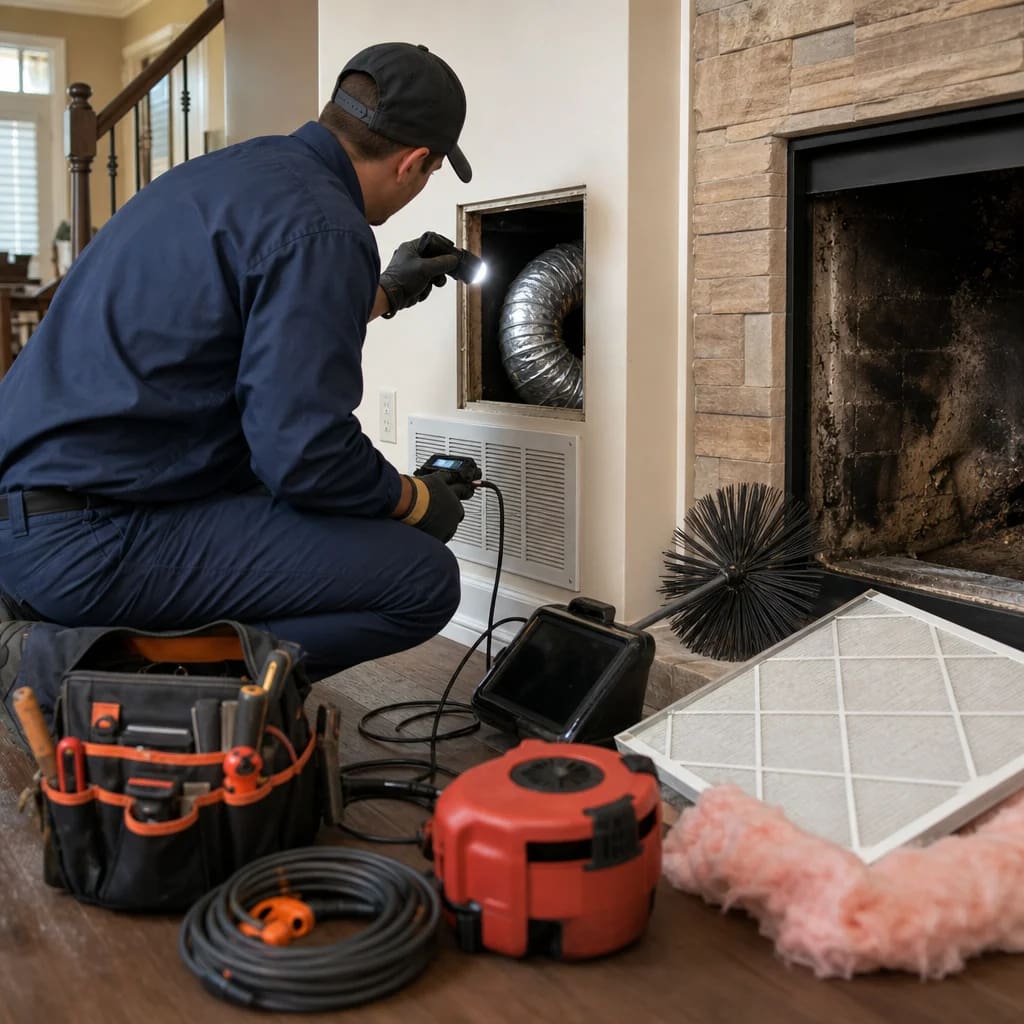
Our inspection typically reveals:
- Moisture levels in your attic and ductwork (humidity readings help identify condensation and mold risk)
- Dust and debris accumulation inside ducts or on HVAC components
- Mold or mildew growth in ducts, attic insulation, or on ductwork surfaces
- Gaps, disconnections, or damage to ductwork or ventilation pipes
- Blockages or obstructions in vents, chimney, or exhaust fans
- Ventilation imbalances causing negative pressure or backdrafting
- Insulation damage, settling, or moisture saturation
- Roofing or flashing issues allowing water intrusion
We document findings with photos and provide a clear explanation of what we found and why it’s causing the odor. This transparency helps you understand the problem and make informed decisions about repairs.
Air Duct Cleaning and Sanitization to Eliminate Odors
Once we’ve identified that your air ducts are contributing to the musty smell, professional cleaning is the most effective solution.
Our air duct cleaning process removes accumulated dust, debris, mold spores, and bacteria from inside your ductwork. We use specialized equipment to agitate and extract contaminants, reaching areas that accumulate dust and moisture over time. This not only eliminates odors but also improves airflow and HVAC efficiency.
For added protection, sanitization treatments can follow cleaning. These treatments target odor-causing bacteria, mold spores, and mildew, helping ensure the smell doesn’t quickly return. Sanitizing is especially valuable if your ducts were exposed to moisture during your attic work.
Benefits of professional duct cleaning and sanitization:
- Eliminates musty odors at the source
- Removes dust and debris that accumulates in ducts
- Addresses mold and mildew before they spread
- Improves air circulation through your HVAC system
- Freshens indoor air quality throughout your home
The timing matters. If your attic work happened recently and moisture entered your ducts, cleaning and sanitizing sooner prevents mold growth from taking hold. Don’t wait weeks hoping the smell resolves on its own.
Dryer Vent and Chimney Inspection as Part of the Solution
Musty odors often involve multiple systems working together. If your dryer vent or chimney were disturbed during attic work, they may be contributing to the problem.
A blocked or disconnected dryer vent can trap moisture and odors. During attic work, these vents are sometimes accidentally crushed or disconnected. If your dryer is taking longer to dry clothes or you smell dampness near the dryer, the vent warrants inspection.
Your chimney plays a critical role in managing moisture and air movement. If flashing was damaged, the cap is missing, or the damper isn’t sealing properly, rain and damp air can enter your attic and spread odors throughout your home. A chimney inspection after attic work ensures these components are functioning correctly.
We include chimney and dryer vent assessment as part of our diagnostic process. Often, addressing issues in these systems prevents the musty smell from returning after your ducts are cleaned.
How to Prevent Musty Odors in Future Attic Projects
Once you’ve solved your current odor problem, prevent it from happening again during future attic work.
Before any contractor enters your attic:
- Ensure your attic is properly ventilated (soffit and ridge vents clear and balanced)
- Verify that your HVAC system is in good condition and ducts are sealed
- Request that contractors protect your ductwork from dust and debris during work
- Specify that disconnected vents or ducts must be properly reconnected before work concludes
- Schedule a post-project inspection to confirm all systems are functioning correctly
- Check weather forecasts and plan timing to avoid rain during insulation or ventilation work
After the work is complete:
- Inspect your attic for moisture, debris, or signs of mold
- Run your HVAC system to circulate air and help clear construction dust
- Monitor humidity levels and watch for any odors developing over the following weeks
- Have your ducts professionally inspected if moisture or dust exposure occurred
Clear communication with your contractor about air quality concerns can prevent problems before they start.
Why Professional Assessment Saves You Time and Money
Trying to diagnose musty odors on your own often leads to incomplete solutions. You might clean your ducts only to discover the chimney is the real culprit. Or you might replace insulation without addressing the moisture source, causing the problem to recur.
Professional assessment identifies the root cause upfront, eliminating guesswork and wasted effort. This focused approach saves you money by targeting the actual problem rather than addressing symptoms. It also prevents secondary issues from developing, like mold spreading from ducts to living spaces or moisture damage spreading from your attic to walls.
We’ve worked with Dallas homeowners who tried DIY odor solutions before calling us. In most cases, professional diagnosis revealed multiple contributing factors that a single cleaning or repair wouldn’t have fully addressed. Once we identified and treated all sources, the odor disappeared for good.
The cost of professional inspection and diagnosis is minimal compared to the expense of repeated attempts at fixes or, worse, allowing mold or moisture damage to worsen.
Get Your Attic Odor Problem Solved Today
Musty odors after attic work are frustrating, but they’re solvable. The key is professional diagnosis followed by targeted action.
We’re here to help Dallas homeowners and business owners eliminate musty odors and restore indoor air quality. Our experienced technicians know the ins and outs of air ducts, chimneys, dryer vents, and attic ventilation systems. We’ll identify the source of your odor, explain what we found, and recommend the most effective solution.
Don’t let musty smells linger in your home. Contact us today for a professional inspection and odor diagnosis. We offer 24/7 availability and fast response times, so we can address your air quality concerns quickly. Once we’ve pinpointed the problem, we’ll get your home smelling fresh and your HVAC system functioning properly.
Reach out to Dr. Air Duct now to schedule your inspection and take the first step toward solving your musty odor problem.
Frequently Asked Questions (FAQ)
Why do musty odors seem worse after we’ve had attic work done?
When attic work disturbs insulation, dust, or debris, these particles can get pulled into your air duct system through leaks or unsealed connections. We’ve found that new insulation can also off-gas initially, and if your ductwork wasn’t properly sealed during the project, odors travel directly into your living spaces. Our diagnostic process pinpoints whether the smell originates from the ducts themselves, the insulation, or ventilation issues created during the work.
Can dirty air ducts really cause musty smells throughout my home?
Absolutely. We regularly discover that accumulated dust, mold, and bacteria inside your ductwork spread odors every time your HVAC system runs. After attic work, ducts can become contaminated with insulation fibers and construction debris that trap moisture and create that musty smell. Our air duct cleaning and sanitization service removes these contaminants and eliminates the source rather than just masking the problem.
How quickly can you diagnose what’s causing the odor in my Dallas home?
We offer 24/7 availability and typically respond the same day for odor complaints. Our technicians use a step-by-step diagnostic approach that checks your ductwork, chimney, dryer vents, and insulation condition to identify the exact source. Once we pinpoint the problem, we explain your options and recommend the most cost-effective solution to restore your indoor air quality.