

Table of Contents
- Why Bird Nests in Chimneys Pose Real Dangers to Your Home
- How to Spot a Blocked Chimney From Bird Nests
- The Problem With DIY Bird Nest Removal Attempts
- Our Professional Chimney Bird Nest Removal Process
- Comprehensive Inspection and Damage Assessment
- Safe Removal and System Restoration
- How Regular Chimney Maintenance Prevents Future Blockages
- Protecting Your Family and Fireplace Investment
- Schedule Your Chimney Inspection With Dr Air Duct Today
- Frequently Asked Questions (FAQ)
Why Bird Nests in Chimneys Pose Real Dangers to Your Home
Bird nests in chimneys are more common than many Dallas homeowners realize, especially during spring and summer months. What starts as a small nest can quickly turn into a serious problem that affects your fireplace function, indoor air quality, and home safety. We help property owners address blocked chimneys caused by bird nests, restoring proper ventilation and protecting their heating investment.
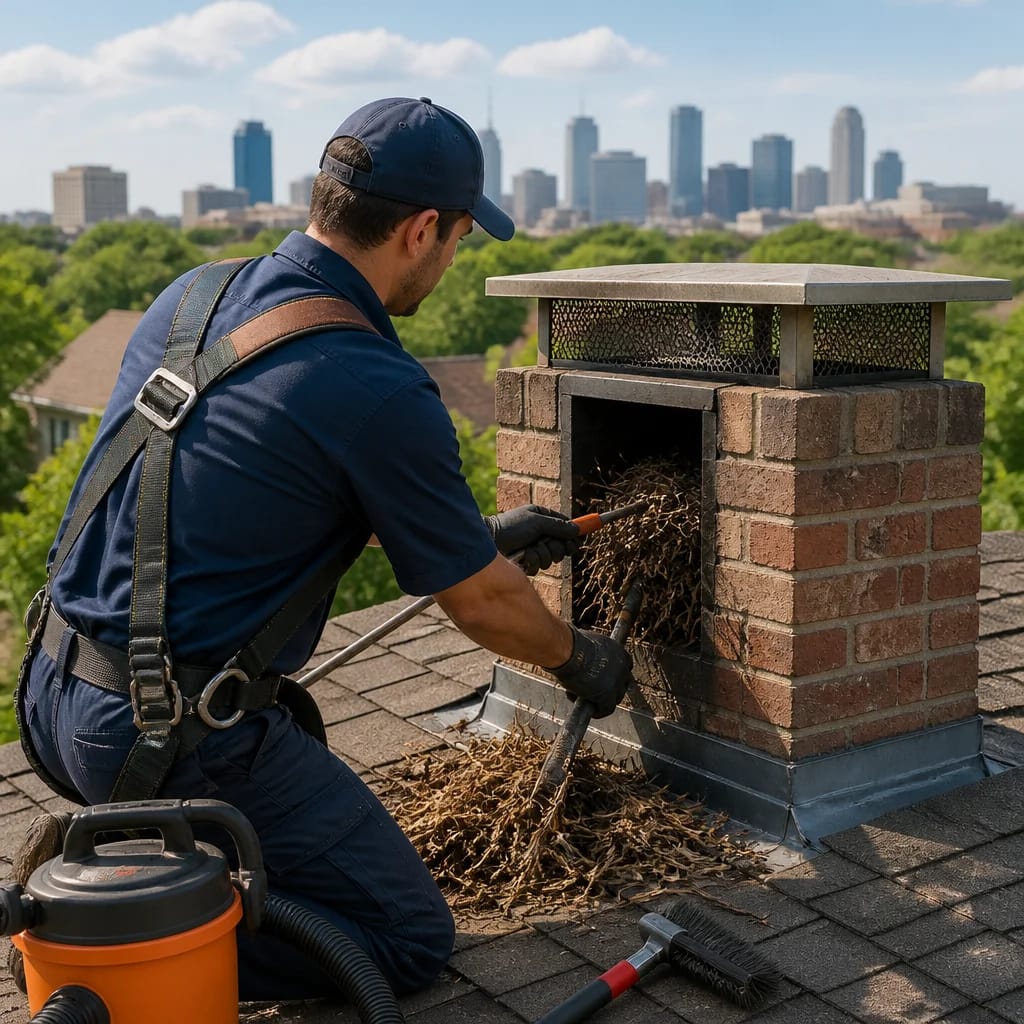
When birds build nests inside your chimney, they create multiple hazards that extend beyond simple blockage. Nests trap heat and combustion gases that should exit through your flue, forcing them back into your living space. This increases carbon monoxide risk, especially if you use your fireplace or wood stove regularly.
Nests also accumulate debris, droppings, and organic material that can ignite if exposed to the high temperatures of an active fire. The combination of nesting materials, twigs, and feathers creates a genuine fire hazard. Additionally, bird droppings contain bacteria and fungi that contaminate your indoor air and can trigger respiratory issues for family members with sensitivities.
The blockage itself causes another problem: condensation buildup. When flue gases cool instead of escaping properly, moisture collects inside your chimney system, leading to rust, deterioration of chimney components, and potential structural damage over time. A blocked chimney also forces your HVAC system to work harder, reducing efficiency and increasing energy costs.
Actionable takeaway: If you use your fireplace, have it professionally inspected before each season to catch nests early.
How to Spot a Blocked Chimney From Bird Nests
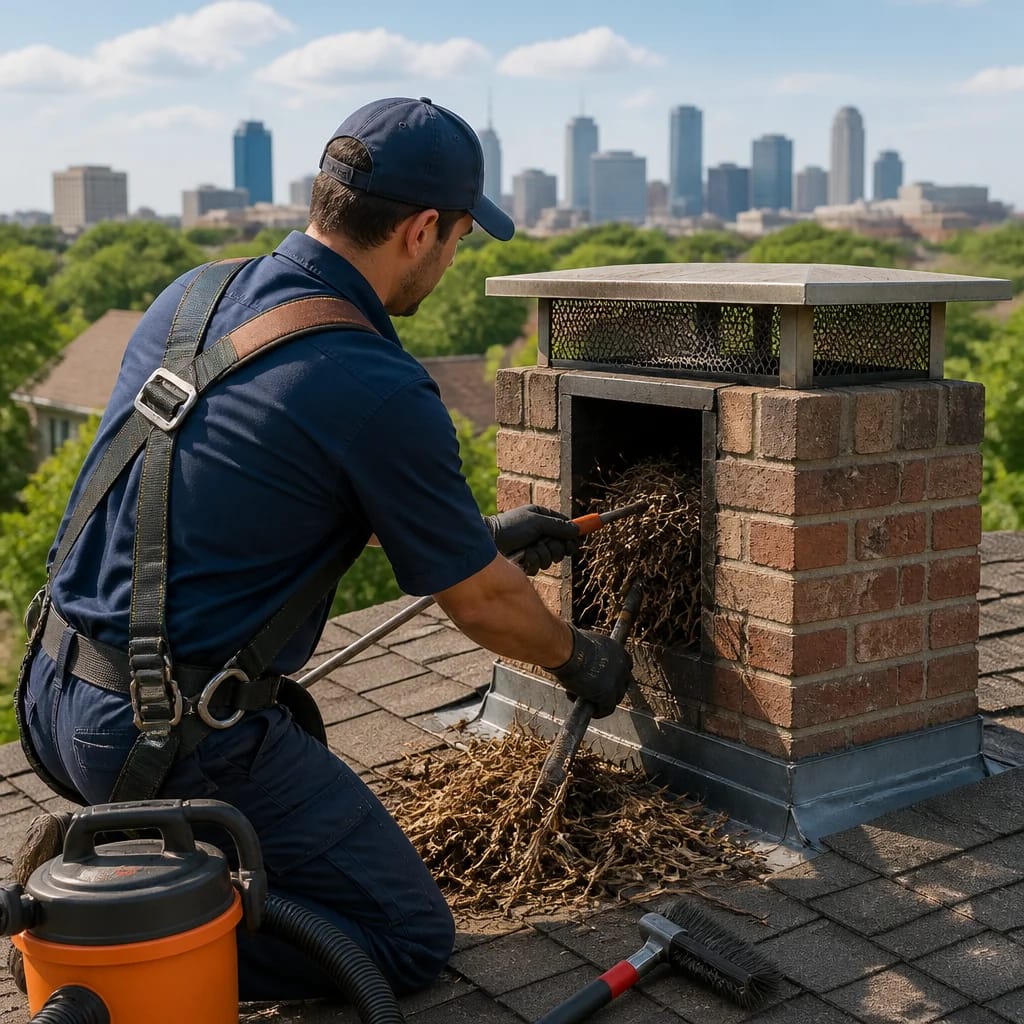
Recognizing the warning signs of a blocked chimney helps you act before the problem worsens. The most obvious indicator is visible nesting material at the chimney opening or on your roof near the chimney cap. You might see twigs, leaves, or grass protruding from the top.
When you light a fire, smoke that backs up into your home rather than exiting properly signals a serious blockage. Similarly, if you notice a foul odor coming from your fireplace or around your chimney exterior, decomposing nesting material or bird droppings are likely the culprits. Some homeowners hear chirping or scratching sounds inside the chimney, confirming that birds or nests are present.
Reduced fireplace draft is another telltale sign. Your fire may burn poorly, produce excessive smoke, or feel difficult to ignite. If you notice rust staining on the exterior of your chimney or water damage inside your home near the fireplace, condensation from a blocked flue may be damaging your structure.
Pay attention to recurring dampness, discoloration on chimney bricks, or a musty smell in rooms adjacent to your chimney. These indicate airflow problems and potential moisture accumulation caused by obstruction.
What to do next: Schedule a professional chimney inspection rather than guessing at the blockage source. We can identify nests, damage, and safety concerns that DIY checking might miss.
The Problem With DIY Bird Nest Removal Attempts
While the urge to handle chimney problems yourself is understandable, removing bird nests from chimneys carries significant risks that far outweigh any cost savings. Climbing onto your roof to reach the chimney top puts you at serious fall risk, particularly on sloped roofs or in unstable weather. Falls remain one of the most common home injuries, and DIY attempts frequently result in emergency room visits.
Even if you safely reach your chimney, you lack the specialized tools and equipment designed for complete nest removal. A partial removal leaves debris behind that continues to block airflow and creates the same fire and safety hazards you intended to solve. You cannot see deep into the flue to assess whether nesting material has compacted against chimney walls or caused secondary damage.
Without proper training, you might disturb active nests, exposing yourself to aggressive bird behavior or parasites. Birds defending nests can cause injury, and certain nesting materials harbor mites and parasites that transmit disease. Additionally, if you accidentally damage your chimney structure during removal attempts, repair costs quickly exceed the cost of professional service.
Professional removal includes safety protocols, proper equipment, and the ability to assess your entire chimney system for damage. We document what we find and what we repair, giving you confidence in your fireplace’s condition moving forward.
Start here: Request a professional inspection and quote instead of risk injury or incomplete results.
Our Professional Chimney Bird Nest Removal Process
Our approach combines thorough assessment, safe removal, and system restoration to address bird nests completely. We begin every job by understanding your specific situation: when you last used your fireplace, what you’ve observed, and whether you have concerns about safety or damage.
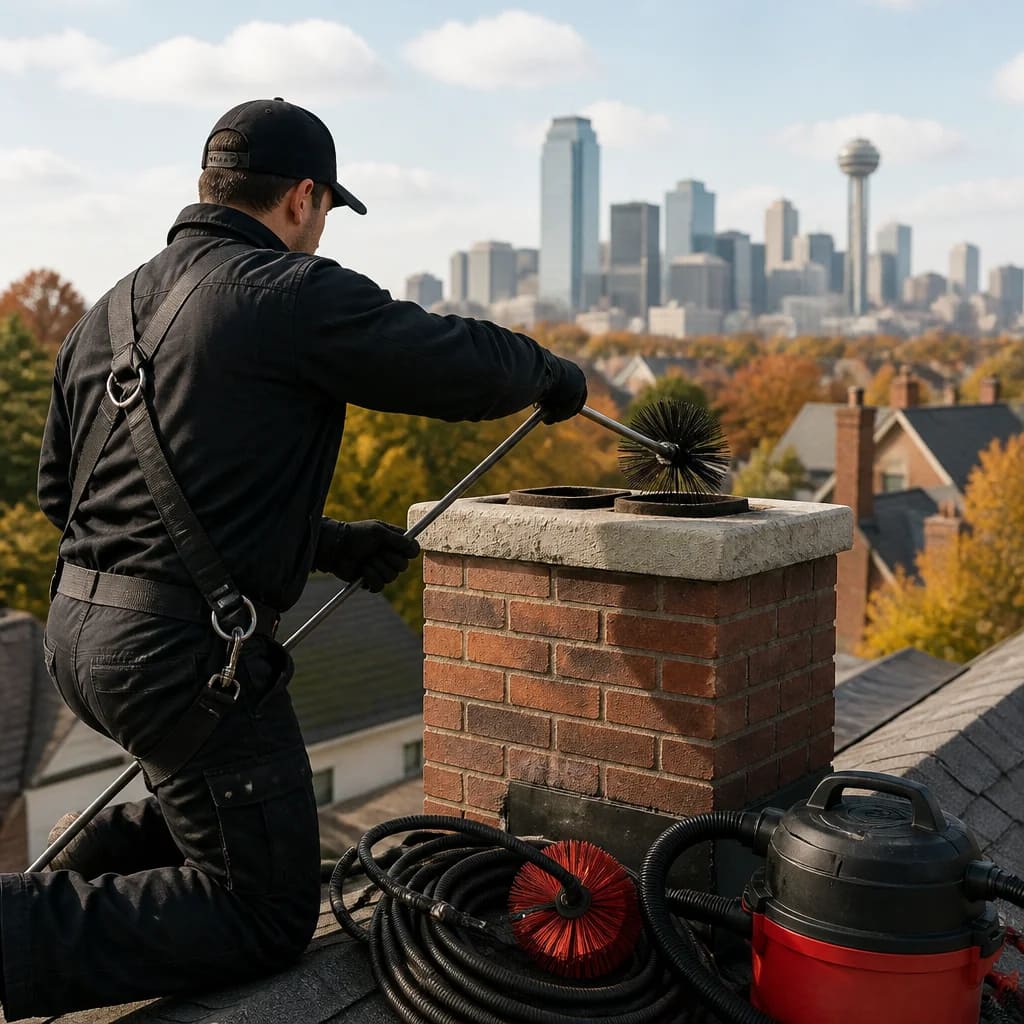
We arrive with specialized equipment designed for chimney work, including proper fall protection, inspection cameras, removal tools, and cleaning systems. Our technicians follow industry safety standards and carry insurance that protects both our team and your property.
We never rush through a nest removal because speed creates mistakes. Each job receives the time needed to locate all nesting material, remove it safely, and verify that your flue is completely clear. We document the process, take photos, and explain our findings in straightforward language.
Comprehensive Inspection and Damage Assessment
Before removing anything, we perform a full visual and camera-based inspection of your chimney interior and exterior. This step reveals the extent of the blockage, the type of nesting material, and any secondary damage caused by moisture, heat, or structural deterioration.
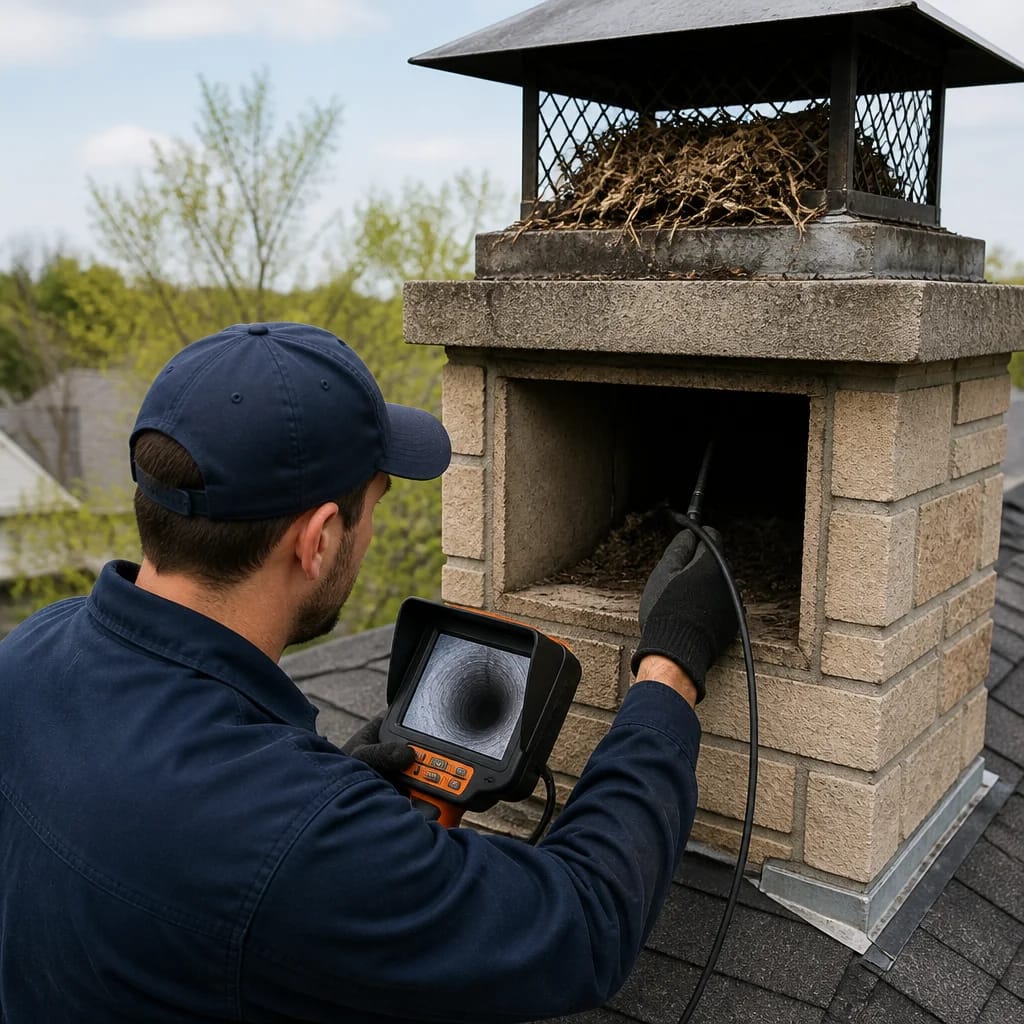
Our inspection covers chimney structural integrity, flue condition, damper function, and chimney cap security. We look for cracks, rust, missing mortar, and areas where water might enter your system. This preventive approach identifies problems that could become costly repairs if left unaddressed.
We assess whether the nesting situation has caused damage to chimney liners, created hazardous creosote buildup, or compromised your damper’s ability to seal properly. If we find damage beyond nest removal, we explain your repair options and provide transparent pricing for any additional work.
Take action: Ask us for a full written inspection report that documents existing conditions and any repairs we recommend.
Safe Removal and System Restoration
Once inspection is complete, we remove nesting material using methods that protect your home and minimize mess. We contain debris carefully, preventing bird droppings and contaminated material from spreading into your living areas.
After physical nest removal, we clean your flue thoroughly to eliminate remaining debris, feathers, and bacterial residue. This cleaning restores proper airflow and removes health hazards from your indoor air. We verify that your chimney cap and spark arrestor are functioning correctly, ensuring birds cannot re-enter.
If our inspection revealed damage, we discuss repair options at this stage. We handle chimney cap replacement, liner installation, damper repair, and other restoration work to return your chimney to safe operating condition.
How Regular Chimney Maintenance Prevents Future Blockages
The best defense against recurring bird nests is regular professional maintenance combined with protective measures. We recommend annual chimney inspections before your heating season, particularly if you use your fireplace frequently. This schedule catches nests early, when removal is simpler and less costly.
Installing or upgrading your chimney cap is one of the most effective preventive steps. A quality cap with mesh screening allows flue gases to exit while keeping birds and debris out. Many older homes have inadequate or missing caps, leaving chimneys vulnerable to wildlife entry.
Regular chimney cleaning removes creosote, soot, and debris that can trap nesting material deeper in your system. Clean chimneys are less attractive to nesting birds and easier to inspect for problems. Keeping gutters clean also reduces the debris that accumulates around your chimney exterior and potentially enters the flue.
Next step: Schedule annual chimney maintenance on your home calendar, ideally each September before heating season begins.
Protecting Your Family and Fireplace Investment
Your chimney is a critical component of your home’s safety and comfort systems. Bird nests compromise both by creating fire risk, carbon monoxide concerns, and structural damage. Professional removal and maintenance protect your family’s health and preserve your fireplace investment for years of enjoyment.
We understand that Dallas homeowners take pride in their properties and want their heating systems to function safely and efficiently. A properly maintained chimney supports that goal while preventing emergency situations. Our goal is to keep your chimney system working the way it should, free from blockages and hazards.
When you choose professional service, you gain peace of mind knowing your chimney has been thoroughly assessed and restored by trained technicians who follow industry standards.
Schedule Your Chimney Inspection With Dr Air Duct Today
If you suspect bird nests or other blockages in your chimney, don’t wait for the problem to worsen. We provide professional chimney cleaning in Dallas with same-day and emergency availability to address urgent concerns.
Contact us today for a comprehensive chimney inspection and bird nest removal quote. Our team responds quickly, communicates clearly, and delivers results you can trust. Your safe, functional fireplace is our priority.
Frequently Asked Questions (FAQ)
Why should I hire professionals instead of removing a bird nest from my chimney myself?
We strongly recommend professional removal because bird nests often hide serious safety hazards like structural damage, creosote buildup, or damaged flue liners that DIY attempts typically miss. Our team has the proper equipment, safety protocols, and expertise to remove nests without causing additional harm to your chimney system. Attempting removal yourself can actually drive birds deeper into your system or damage components that cost far more to repair.
How quickly can we come out to inspect and remove a bird nest blockage?
We offer 24/7 availability because we understand that a blocked chimney prevents you from using your fireplace and can indicate urgent ventilation problems. Most of our Dallas customers can schedule an inspection within 24 hours, and we prioritize emergency situations accordingly. During your inspection, we’ll assess the blockage severity and provide you with a clear timeline for safe removal and any necessary repairs.
Will removing a bird nest prevent birds from returning to my chimney?
While removal is the first step, we recommend installing a chimney cap as part of our comprehensive maintenance approach to block future nesting. Our chimney caps are professionally installed to allow proper ventilation while keeping birds, debris, and weather out of your system. We often include cap installation recommendations during your inspection so you can protect your investment long-term.