

Table of Contents
- Why Older Dallas Homes Struggle With Poor Airflow
- Common Signs Your Ducts Are Restricting Airflow
- How Dust and Debris Accumulate Over Time
- The Connection Between Clean Ducts and Energy Efficiency
- Professional Air Duct Cleaning as Your Solution
- What Our Deep Cleaning Process Removes
- When Repair or Installation Becomes Necessary
- How We Inspect and Diagnose Airflow Issues
- Results You Can Expect After Cleaning
- Additional Services to Optimize Your Home's Ventilation
- Why Dallas Homeowners Choose Dr Air Duct
- Frequently Asked Questions (FAQ)
Why Older Dallas Homes Struggle With Poor Airflow
Older homes in Dallas often have character, history, and solid bones. They can also have airflow problems that leave certain rooms too warm, too cold, or stuffy. If you’ve noticed temperature swings between spaces or your HVAC system running longer than it should, the culprit might not be the furnace or AC unit itself. Your ductwork could be the weak link.
We work with Dallas homeowners every week who suspect something is off with their ventilation. Most discover that years of dust, debris, and age-related wear have restricted airflow throughout their system. The good news: cleaning and proper maintenance can restore significant performance. Here’s what you need to know.
Homes built in the 1960s through 1990s in the Dallas area often have flex ductwork or poorly sealed rigid ducts installed during an era before today’s HVAC standards became common practice. Over decades, these ducts experience settling, compression, sagging, and poor connections that gradually reduce the amount of conditioned air reaching your rooms.
Dallas’s hot, humid climate adds another layer of complexity. Your HVAC system works harder during summer and transitional seasons, which means more stress on aging ductwork. Additionally, many older homes lack proper duct sealing or insulation, causing air leakage before it even reaches your living spaces. You might be cooling or heating the attic instead of your bedroom.
Homes with multiple stories or unusual layouts sometimes feature ductwork that isn’t properly balanced either. One upstairs bedroom gets strong airflow while another struggles. This imbalance often stems from original design limitations that become more obvious as the system ages and components wear.
Common Signs Your Ducts Are Restricting Airflow
Pay attention to these warning signs that your ductwork needs attention:
- Weak or uneven airflow from vents in certain rooms, while others feel normal
- Rooms that are noticeably warmer or cooler than the thermostat setting, especially upstairs or far from the furnace
- Your HVAC system running continuously without cycling off properly
- Higher than expected utility bills for heating or cooling
- Dust buildup around vent registers or on furniture near vents
- Musty, stale odors coming from return air vents
- Visible gaps, holes, or separated connections in accessible ductwork
Any combination of these signals points to restricted airflow. The most telling indicator is uneven comfort across your home. If you walk from one room to another and feel an obvious temperature difference, your ducts are likely the reason.
How Dust and Debris Accumulate Over Time
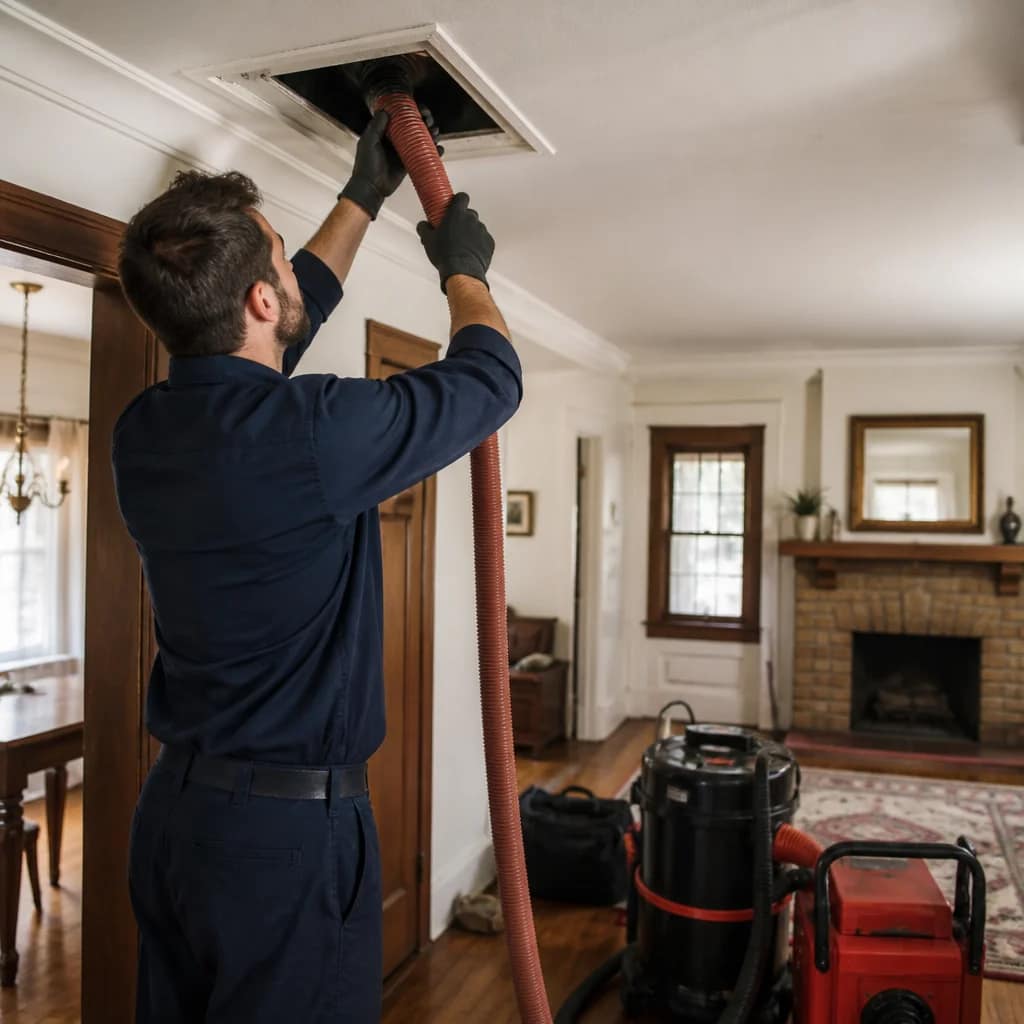
Your ductwork collects far more than you might realize. Dust from outside air, pet dander, skin cells, fabric fibers, and construction debris (if any renovation occurred) settle inside your ducts. Once inside, this material sticks to duct walls, narrows the open space, and eventually reduces the volume of air flowing through.
Over 10, 20, or 30 years, even modest accumulation becomes substantial. In Dallas homes, we also see mold growth potential because of humidity, especially if ducts have any moisture intrusion from leaks or poor sealing. Rodents occasionally enter ductwork and leave droppings. Insulation inside some older ducts can also deteriorate and shed fibers into the airstream.
The process is gradual enough that homeowners often don’t notice the problem developing. One year, your system feels fine. Five years later, your allergies worsen, certain rooms feel stuffy, and your energy bills creep up. By the time you realize something is wrong, the buildup has had a long time to accumulate.
The Connection Between Clean Ducts and Energy Efficiency
When your ductwork is partially blocked or leaking, your HVAC system compensates by running longer and harder to deliver the same comfort. This increases your energy consumption and utility costs. A system that should reach setpoint in 15 minutes might run for 25 minutes if ducts are clogged. Multiply that across dozens of heating and cooling cycles each week, and the added cost becomes significant.
We often see energy bills drop by 10-15% after professional duct cleaning and sealing, though results depend on the severity of the original blockage and how well sealed your ducts become. Even if your bill improvement is modest, the system stress reduction and more consistent comfort throughout your home pay dividends.
Clean ducts also allow your HVAC equipment to operate more efficiently. Your furnace and AC unit don’t have to work as hard to push air through a clean system, which reduces wear on the blower motor and other components.
Professional Air Duct Cleaning as Your Solution
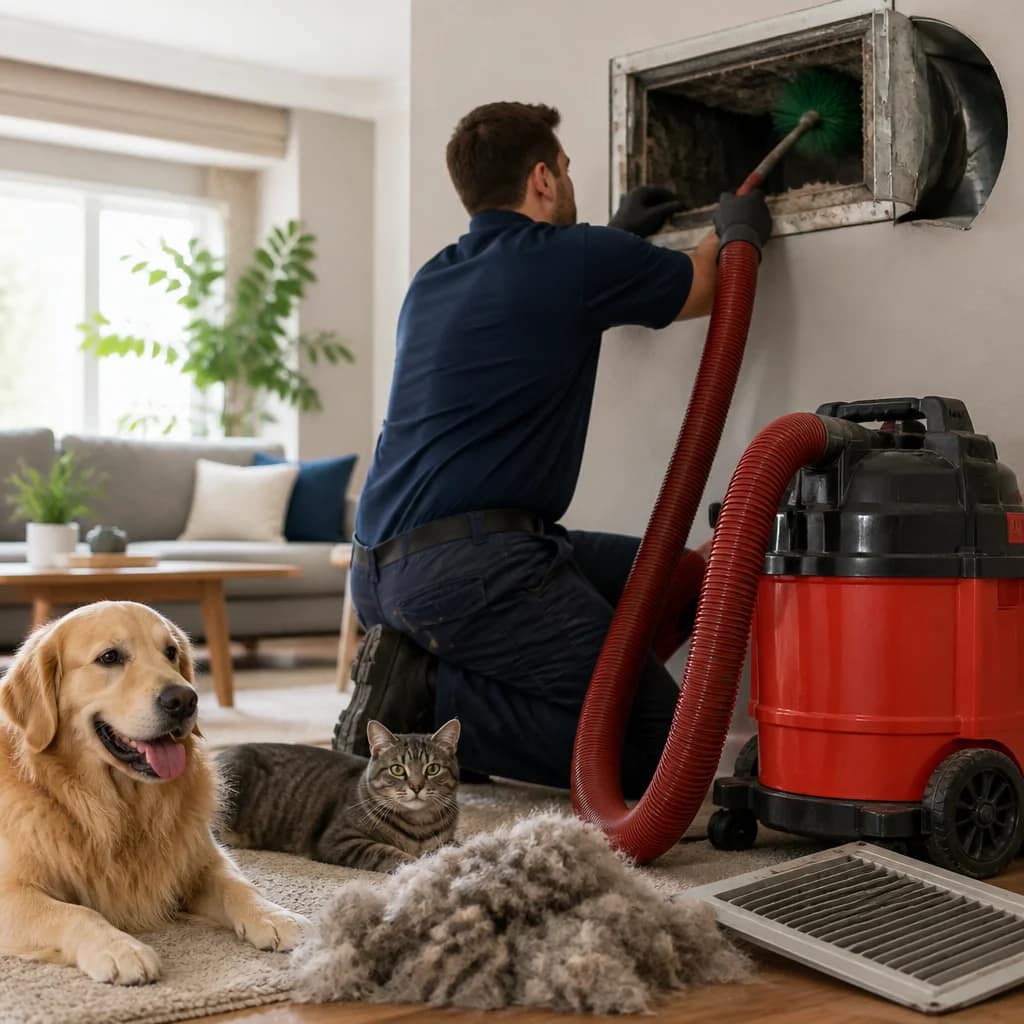
DIY duct cleaning with off-the-shelf vacuum attachments or online tutorials often misses the debris deep in your system. Professional cleaning uses truck-mounted equipment with powerful suction and specialized brushes that dislodge buildup throughout the entire run. We access your ducts at multiple points to ensure thorough coverage.
Our process begins with a camera inspection to identify problem areas. We then use negative pressure technology to pull debris into collection bags rather than spreading it through your home. This approach is far more effective than pushing air backward through ducts.
We also seal visible leaks and gaps as part of our service, further improving system efficiency. For homeowners in areas like Lake Highlands, we provide the same professional-grade approach to restore airflow and comfort.
What Our Deep Cleaning Process Removes
Our technicians remove dust, debris, mold spores, pet dander, dead insects, rodent droppings, and deteriorated insulation material. We pay special attention to return air ducts, which collect more contamination than supply ducts because they pull air from your living space back toward the furnace.
We also inspect and clean registers, grilles, and blower compartments. Many homeowners don’t realize how much buildup occurs around these connection points. Cleaning them as part of the service improves overall airflow significantly.
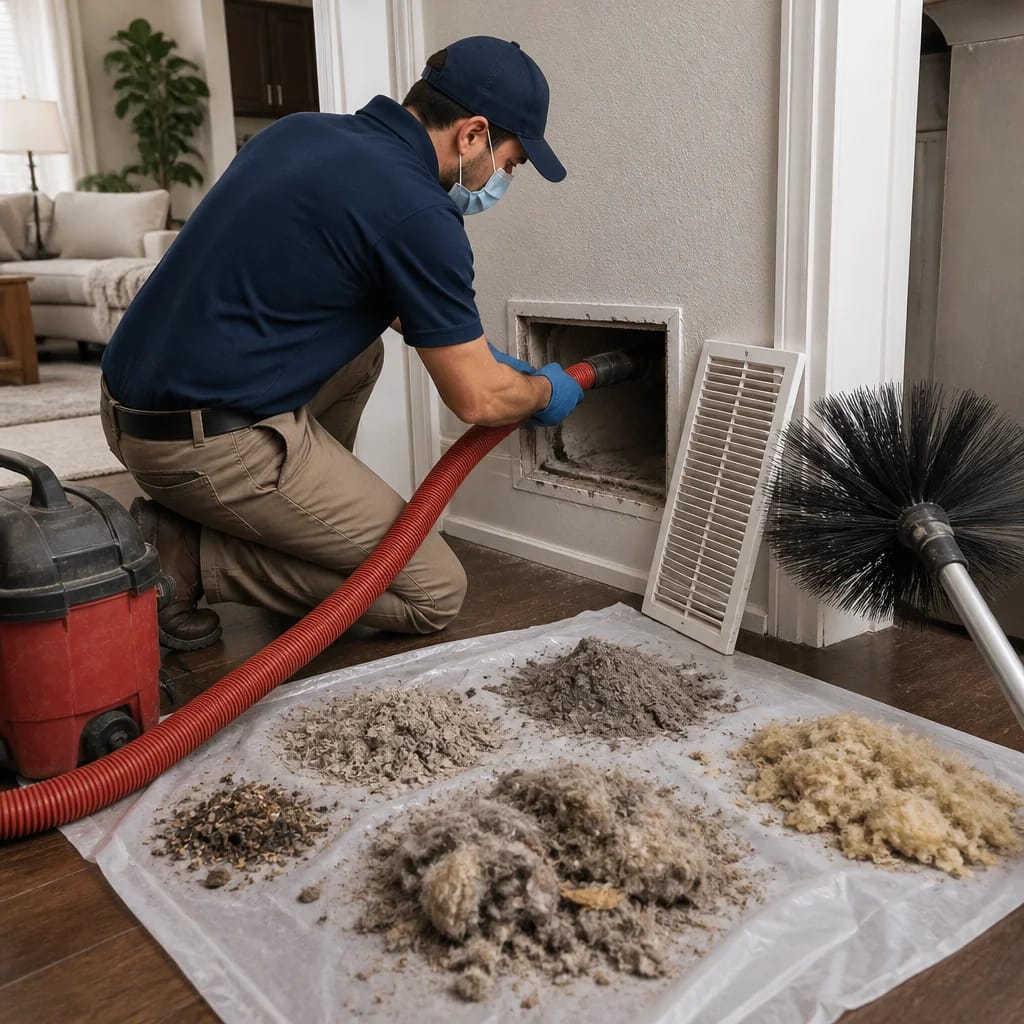
For homes with mold concerns, we offer sanitizing treatments that target mold spores and bacteria. This step is especially valuable if anyone in your household experiences allergies or respiratory sensitivity. Our team can identify whether sanitizing is necessary during the initial inspection.
When Repair or Installation Becomes Necessary
Sometimes cleaning alone isn’t enough. If ducts are severely damaged, disconnected, or have large holes, repair or replacement becomes necessary. Age, pest damage, poor original installation, or renovation work can compromise duct integrity beyond what cleaning can fix.
During our inspection, we assess whether your ducts are repairable or need replacement. Flex ductwork with damaged exterior can often be repaired by wrapping or patching. Rigid ducts with holes may need section replacement. If your system is very old and showing widespread deterioration, new ductwork might be the most cost-effective long-term solution.
We provide honest recommendations based on what we actually find, not what generates the biggest invoice. Our goal is to help you make the right choice for your home and budget.
How We Inspect and Diagnose Airflow Issues
We start every job with a detailed evaluation. Our technician visually inspects accessible ductwork, checks for leaks and gaps, and measures airflow at key vents. We use video camera technology to see inside ducts without invasive demolition.
We also ask questions about your comfort patterns. Which rooms feel uncomfortable? When did you first notice the problem? Have you had any renovation work done? These details help us understand whether the issue is duct-related or potentially something else, like an undersized HVAC unit or improper thermostat placement.
After the inspection, we explain findings in plain language and provide specific recommendations with pricing. You’ll know exactly what we can clean, what needs repair, and what the service will accomplish.
Results You Can Expect After Cleaning
Most homeowners notice improved airflow within a few days of professional cleaning. Vents feel stronger. Rooms warm or cool more evenly. Some report that their allergies diminish because fewer dust particles are circulating. Energy bills typically begin dropping on the next billing cycle.
These improvements depend on how much buildup was present and whether we’ve also sealed duct leaks. A home with moderate dust accumulation and a few small leaks sees noticeable change. A home with severe blockages or major leaks experiences dramatic improvement.
We recommend repeating duct cleaning every 5-7 years for most Dallas homes, or sooner if you have pets, smoke indoors, or notice dust returning quickly.
Additional Services to Optimize Your Home’s Ventilation
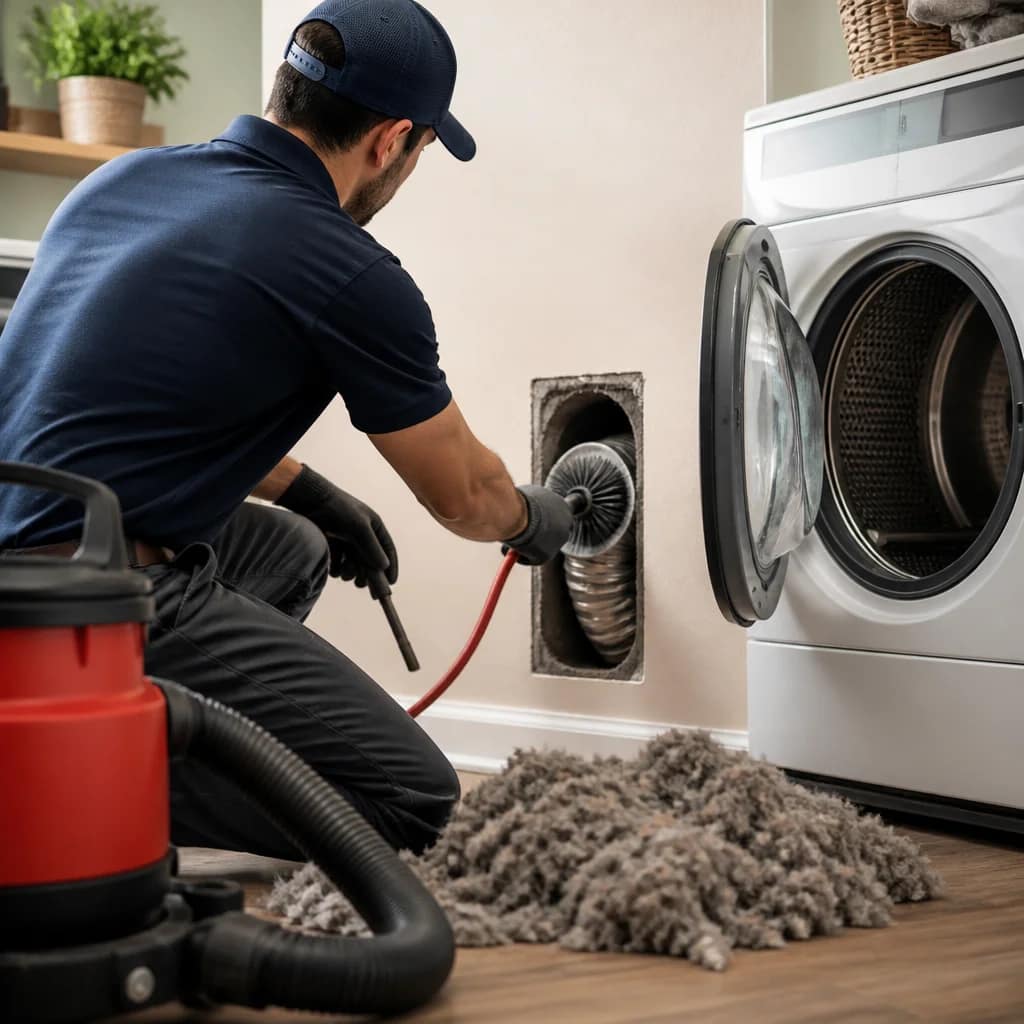
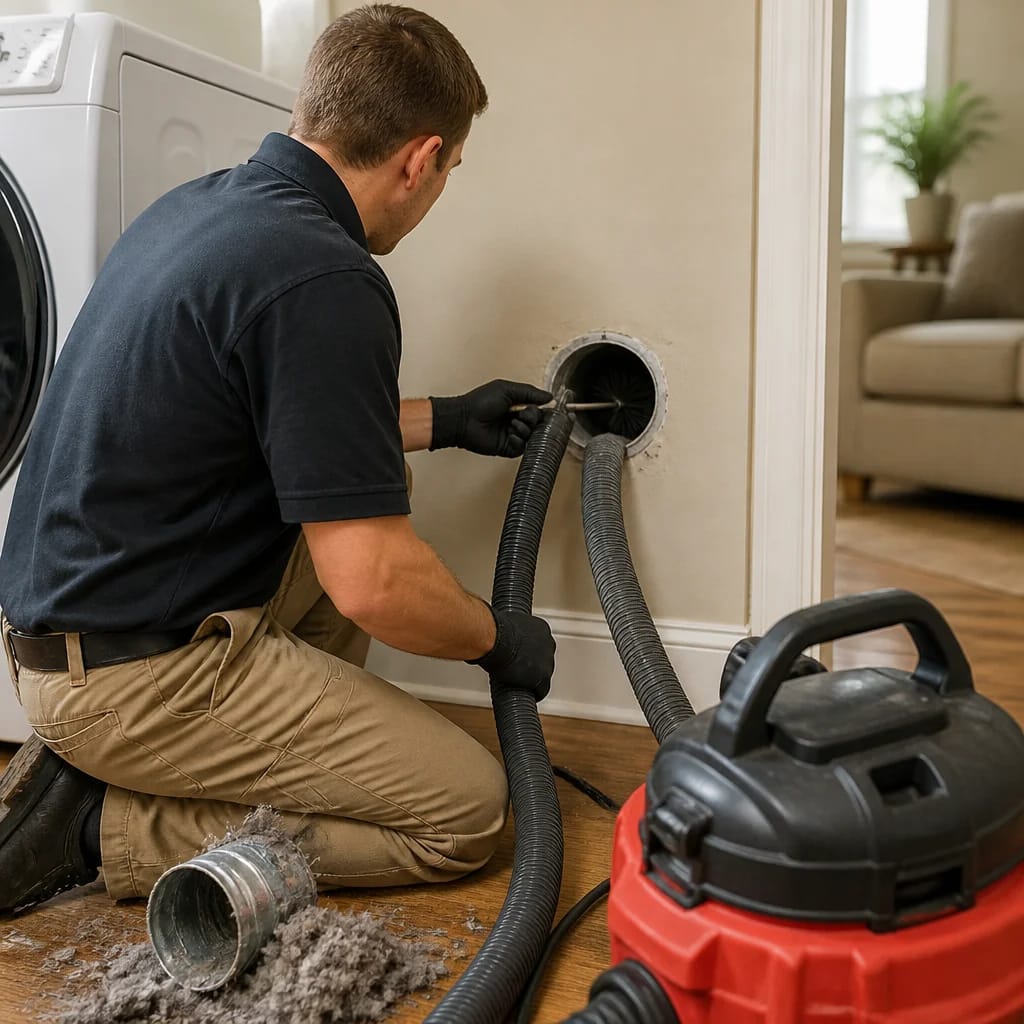
Beyond air ducts, we also clean and maintain dryer vents, which directly impact your laundry efficiency and fire safety. A clogged dryer vent forces your machine to work harder, increases drying time, and creates a genuine fire hazard. We include dryer vent cleaning alongside duct work for many customers.
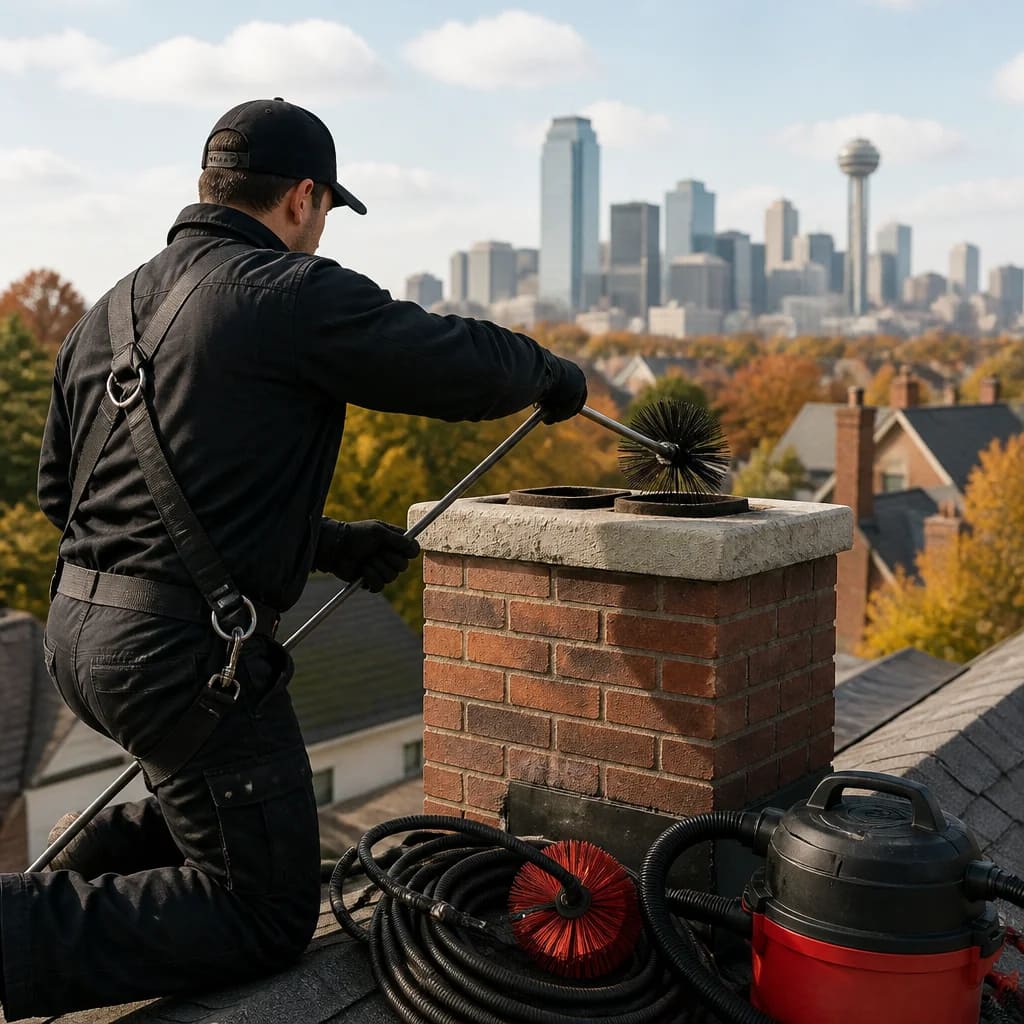
If you have a fireplace or wood-burning stove, chimney cleaning and inspection improve ventilation and safety. Creosote and debris accumulation can restrict airflow and increase fire risk. Our chimney services cover cleaning, safety inspections, and minor repairs.
We also assess whether duct insulation, additional sealing, or balancing work would benefit your system. Some older homes benefit from strategic register damping to redirect airflow to problem areas.
Why Dallas Homeowners Choose Dr Air Duct
We’ve served Dallas-area residents for years, building a reputation for thorough work, transparent communication, and genuinely helpful advice. Our technicians are trained professionals with proper certification and equipment. We’re available 24/7 for urgent situations and respond quickly to routine requests.
We don’t use pressure sales tactics or recommend unnecessary services. Our inspections are honest. Our pricing is competitive and clearly explained before work begins. When you call us, you get a dependable local company that understands older Dallas homes and the specific challenges they present.
If you’re noticing airflow problems, uneven comfort, or rising energy costs, contact us for a professional duct inspection. We’ll identify what’s happening, explain your options, and help you breathe easier in your home.
Frequently Asked Questions (FAQ)
Can cleaning our air ducts really improve airflow in my older Dallas home?
Yes, cleaning can make a significant difference if dust and debris buildup is restricting your airflow. We’ve found that years of accumulation in older ductwork reduces efficiency and forces your system to work harder. After we remove this buildup, you’ll typically notice better temperature distribution throughout your home and improved comfort within days.
How do we know if our ducts need cleaning versus repair?
We inspect your system with video equipment to identify the actual problem. If we find excessive dust, mold, or debris, cleaning solves the issue. However, if we detect gaps, disconnections, or damaged sections, we’ll recommend repairs or resealing to restore proper airflow and efficiency.
What results should we expect after you clean our ductwork?
Most customers report improved airflow, more consistent temperatures between rooms, and lower energy bills within the first month. We also help you breathe easier since we remove dust, allergens, and potential mold that circulates through your home every time your HVAC runs.