

Table of Contents
- Why Musty Odors Matter: Health and Comfort in Your Dallas Home
- The Three Common Sources: Ducts, Insulation, and Chimneys Explained
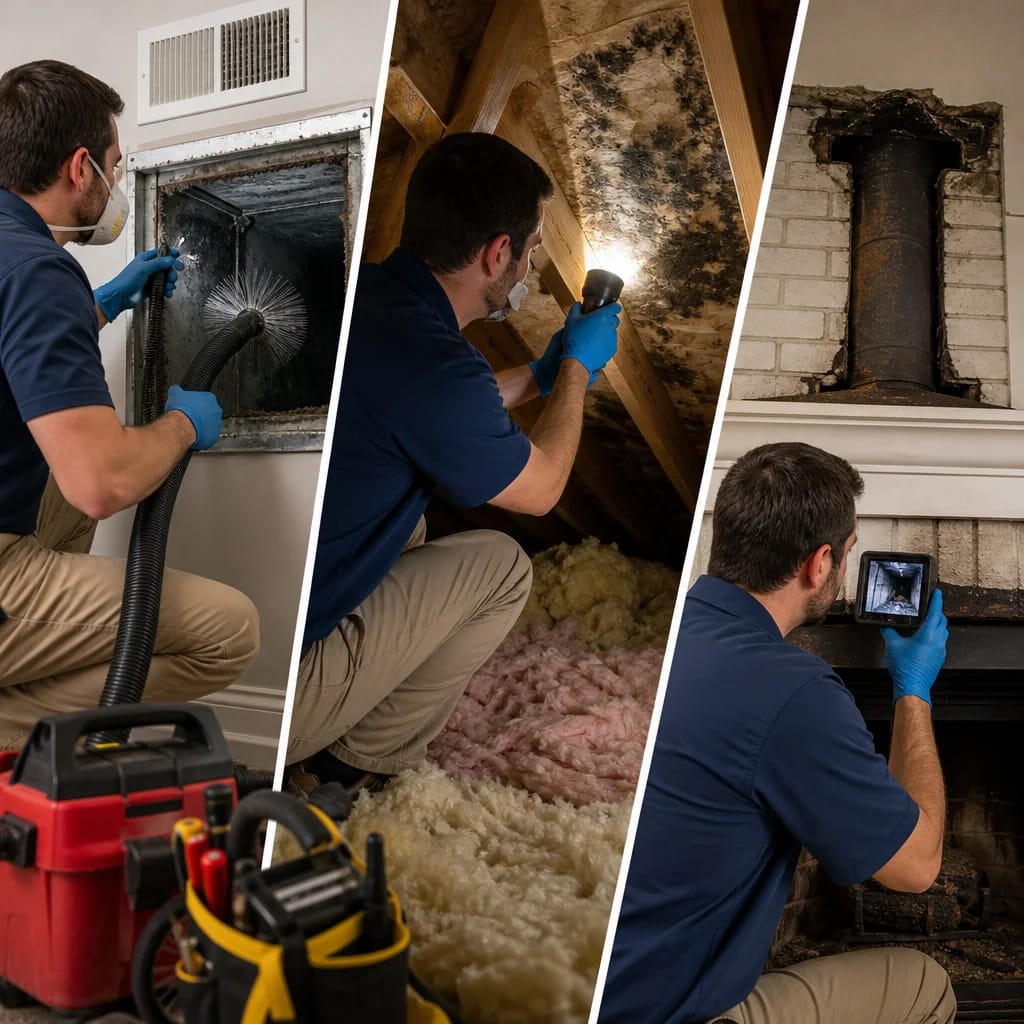
- How to Identify Musty Odors Coming From Your Air Ducts
- Detecting Mold and Moisture Problems in Your Insulation
- Recognizing Chimney-Related Odors and Ventilation Issues
- Simple Diagnostic Tests You Can Perform Yourself
- Why Professional Inspection Reveals What DIY Tests Cannot
- Our Comprehensive Diagnostic Process at Dr Air Duct
- Air Duct Cleaning and Sanitization Solutions
- Chimney Cleaning and Inspection Services
- Addressing Insulation Issues Through Ventilation Improvement
- Next Steps: Getting Your Home's Air Quality Back on Track
- Frequently Asked Questions (FAQ)
Why Musty Odors Matter: Health and Comfort in Your Dallas Home
A musty smell in your home isn’t just unpleasant—it’s a signal that something needs attention. Stale, damp odors often indicate moisture, mold, or stagnant air somewhere in your home’s systems. Beyond the discomfort of living with persistent odors, these conditions can affect indoor air quality and the overall health of your household.
Dallas’s humidity and seasonal temperature shifts create ideal conditions for moisture to accumulate in hidden spaces like ductwork, insulation, and chimneys. When moisture combines with dust, debris, or organic material, mold and bacteria can develop, intensifying odors and circulating through your living spaces. Identifying the source quickly helps you address the problem before it spreads or worsens.
Understanding where the smell originates is the first step toward solving it. A musty odor from your air ducts requires different solutions than one coming from chimney creosote or damp insulation. Taking time to diagnose the source saves money and ensures you tackle the real problem.
The Three Common Sources: Ducts, Insulation, and Chimneys Explained
Most musty odors in Dallas homes trace back to one of three places: your air duct system, insulation, or chimney. Each has distinct characteristics and requires different diagnostic approaches.
Air ducts circulate conditioned air throughout your home. When moisture, dust, or debris accumulates inside ductwork, it creates an ideal breeding ground for mold and bacteria. The smell often travels through your vents into living spaces, making it seem like the odor is everywhere when the source is localized.
Insulation absorbs moisture from humidity, leaks, or poor ventilation. Damp insulation develops a distinct earthy or moldy smell, especially in attics or crawl spaces. The odor may seep into adjacent rooms or travel through your HVAC system if ducts pass through affected areas.
Chimneys accumulate creosote, soot, and debris over time. A blocked or poorly maintained chimney produces a strong, acrid smell that’s often mistaken for a general musty odor. This source is particularly common in homes with fireplaces or wood-burning stoves.
Each source requires different cleaning or repair approaches, so pinpointing the origin ensures you invest in the right solution.
How to Identify Musty Odors Coming From Your Air Ducts
Duct-related odors have distinctive patterns. The smell typically intensifies when your HVAC system runs, especially when the air conditioner cycles on. This is because air moving through contaminated ducts carries odors directly into your rooms.
Start by noting when you notice the smell most. If it’s strongest near vents or air return grilles, ducts are a likely culprit. Walk around your home and smell near each vent to see if the odor is concentrated in certain areas or distributed throughout.
Duct odors often have a damp, earthy, or slightly sour quality. Some people describe it as similar to wet carpet or soil. If you also notice your cooling bill increasing or your system running longer than usual, it may indicate duct blockage or contamination reducing airflow efficiency.
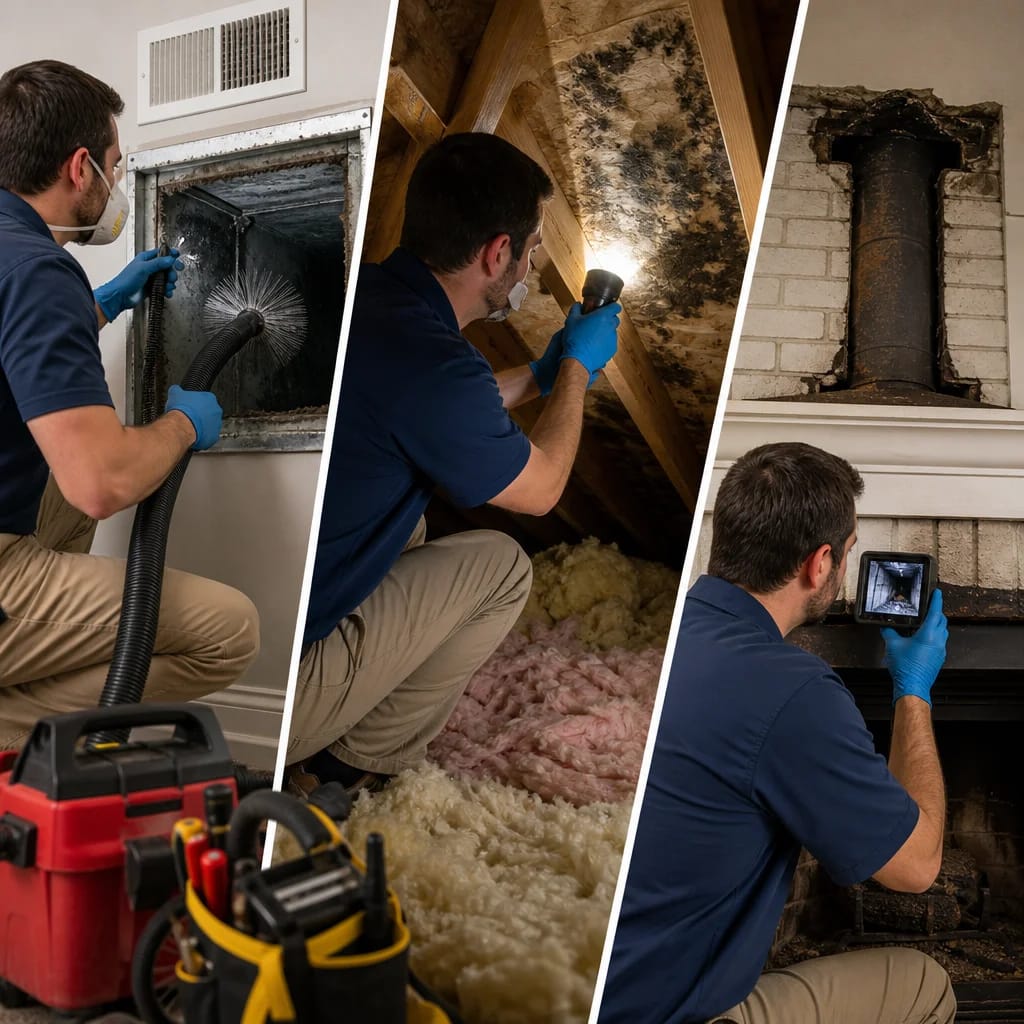
Look for visible signs: check air return grilles for visible dust accumulation, discoloration, or a dark film. If you can safely access your ductwork in an attic or basement, a flashlight inspection might reveal dust buildup, debris, or signs of moisture. However, most residential ductwork is inaccessible, which is why professional inspection is often necessary.
Detecting Mold and Moisture Problems in Your Insulation
Insulation problems typically manifest differently than duct odors. The smell may be most noticeable in specific zones—often upper floors, attics, or rooms near exterior walls where insulation is located.
Moisture-damaged insulation often smells similar to wet wood or stale soil. The odor may worsen after heavy rain or during humid summer months when moisture levels spike. If you notice the smell in your attic or crawl space, that’s a strong indicator the insulation is absorbing moisture.
Check for physical signs if you can access your attic safely. Insulation that appears damp, discolored, or compressed may be compromised. Water stains on rafters or framing, visible mold spots, or insulation pulling away from walls also suggest moisture problems.
Poor ventilation in attics or crawl spaces contributes to this issue. Dallas homes need adequate air circulation in these spaces to prevent moisture buildup. If your attic feels warm and humid even on mild days, ventilation may be inadequate, allowing moisture to accumulate and promoting mold growth in insulation.
Recognizing Chimney-Related Odors and Ventilation Issues
Chimney odors have a distinct, sharp quality that differs from musty or moldy smells. Creosote buildup produces a smoky, acrid smell that’s particularly noticeable on humid days or when atmospheric pressure changes make drafting difficult.
If you have a fireplace or wood-burning stove, pay attention to smells that intensify when the chimney damper is closed or when you’re not actively using the fireplace. Chimneys trap odors inside when dampers are sealed, but those odors can seep into living spaces through small gaps or cracks. Some people notice the smell strongest in rooms closest to the chimney.
Blocked chimneys also reduce proper ventilation and draft, allowing odors to linger. A blocked or dirty chimney might also allow outside odors, animals, or moisture to enter your home. In some cases, moisture entering through a chimney can drip into the flue or surrounding areas, creating secondary mold problems in nearby insulation or framing.
If you experience recurring chimney-related issues or haven’t had a professional inspection recently, scheduling one is important for safety and odor control.
Simple Diagnostic Tests You Can Perform Yourself
Start with a smell map. Go through your home room by room, noting where the odor is strongest and weakest. Record your observations: Is it near vents, in the attic, by the fireplace, or distributed evenly? This simple step narrows the source significantly.
Next, run your HVAC system and notice changes. Turn on your air conditioning and hold your nose near different vents. Does the smell intensify immediately? Does it fade in some rooms and not others? This helps determine if ducts are involved.
Check humidity levels in your home. A hygrometer (inexpensive at hardware stores) shows moisture levels. Readings above 60% suggest excess humidity that may be promoting mold in insulation or ductwork. Dallas’s climate can push indoor humidity high, especially during summer.
Visually inspect accessible areas. Look at air return grilles for dust or discoloration. If you can safely access your attic, use a flashlight to scan for water stains, damp insulation, or visible mold. Check your chimney’s exterior cap for debris or blockage.
Finally, turn off your HVAC system for an hour and note if the smell dissipates. Odors that fade with the system off point toward ducts; smells that persist suggest insulation or chimney sources.
Why Professional Inspection Reveals What DIY Tests Cannot
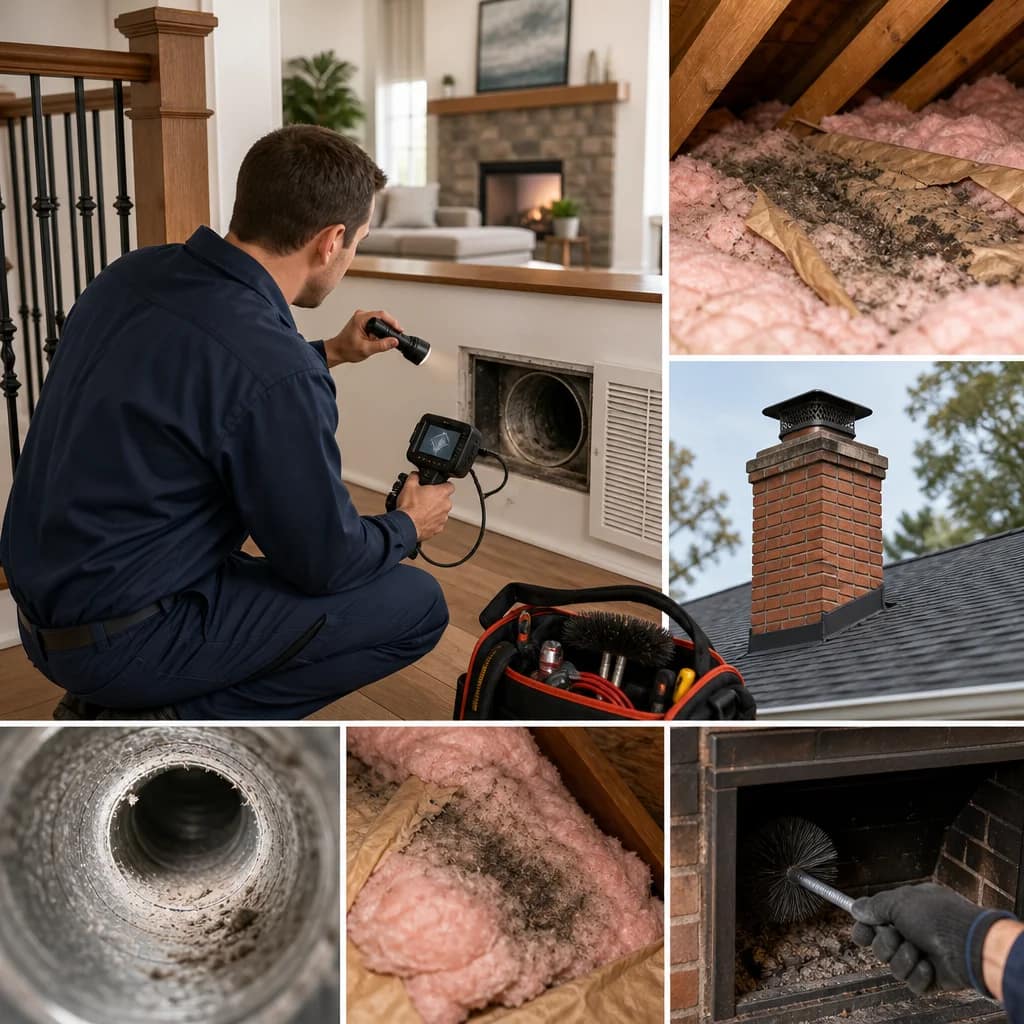
While self-diagnosis is helpful, professional inspection uses equipment and expertise that uncover hidden problems. We can access ductwork, inspect insulation thoroughly, and identify issues invisible to homeowners.
Professionals use video inspection cameras to see inside ducts without invasive removal. They can spot mold colonies, moisture damage, debris accumulation, and blockages that aren’t visible from vents. This technology reveals the extent of contamination and pinpoints exactly where cleaning is needed.
Professional moisture detection and thermal imaging can identify problem areas in insulation and wall cavities that visual inspection misses. A trained technician also recognizes early-stage mold, creosote buildup, and structural issues that worsen over time.
Additionally, professionals understand how building systems interact. A chimney problem may cause drafting issues that affect basement moisture, which then promotes mold in nearby insulation. We see these connections and recommend comprehensive solutions rather than treating isolated symptoms.
Our Comprehensive Diagnostic Process at Dr Air Duct
When you contact us, we begin with a thorough consultation about your specific observations: when the smell is strongest, which rooms are affected, and any recent changes. This conversation provides valuable context.
Next, we conduct a detailed visual inspection of accessible areas. Our technicians examine air return grilles, vents, insulation, and chimney components. We test humidity levels and assess ventilation adequacy in attics and crawl spaces.
For ductwork evaluation, we use video inspection cameras to examine duct interiors. This allows us to identify mold, moisture, debris, and blockages with precision. We also perform airflow testing to ensure your HVAC system is functioning efficiently.
If chimney issues are suspected, we conduct a professional chimney inspection to assess cleanliness, structural integrity, and draft performance. This process meets safety standards and provides documentation for insurance purposes.
We compile our findings into a clear report with photos, recommendations, and pricing for any needed services. Our approach ensures you understand the problem and your options before deciding on next steps.
Air Duct Cleaning and Sanitization Solutions
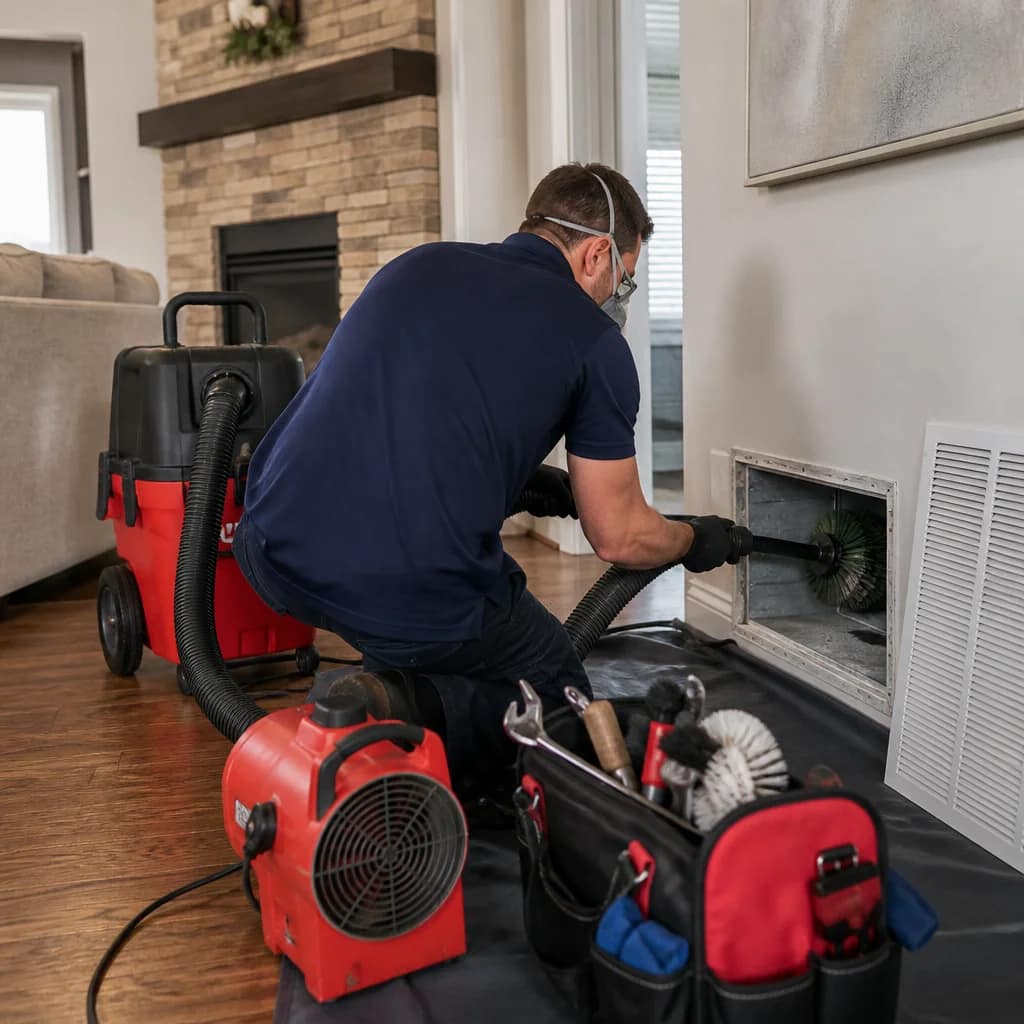
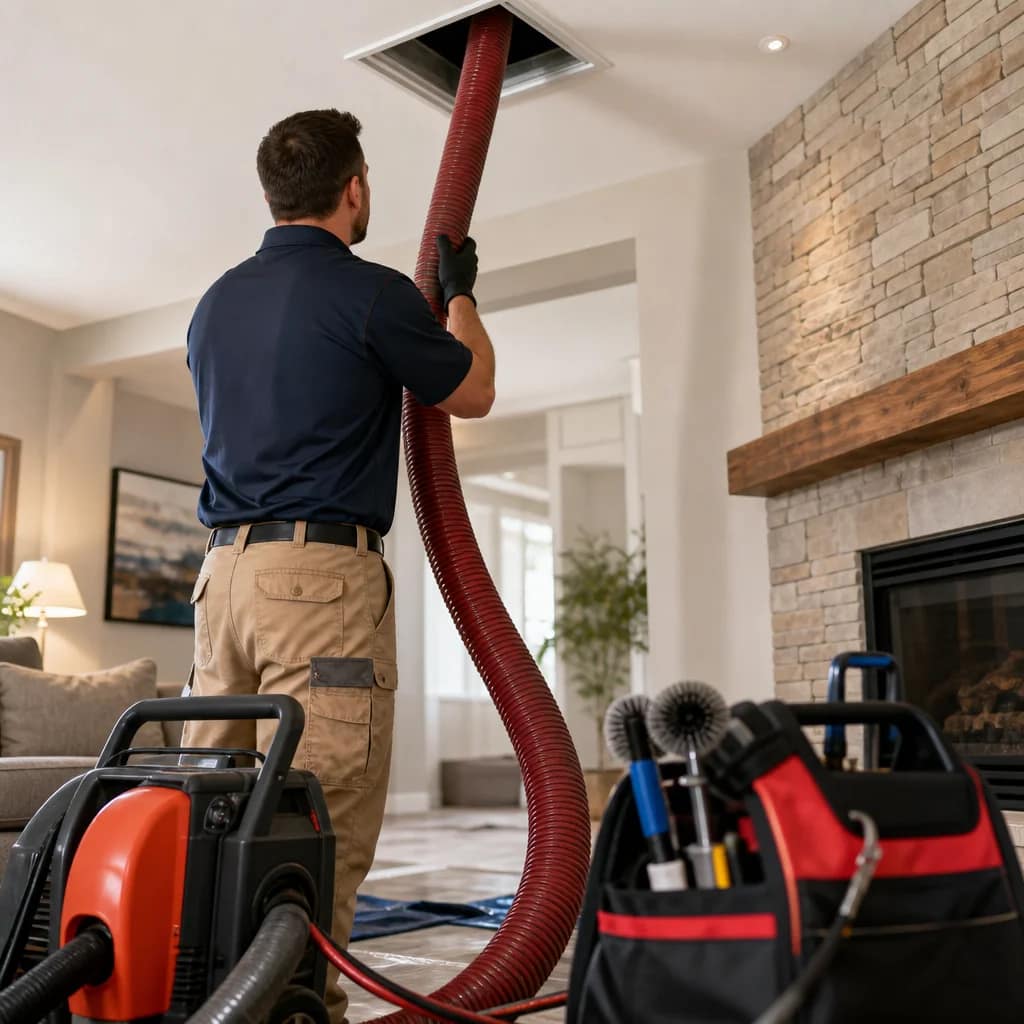
When contaminated ducts are the source, our air duct cleaning process removes dust, debris, mold spores, and odor-causing materials. We use commercial-grade equipment that reaches deep into your ductwork, not just surface cleaning.
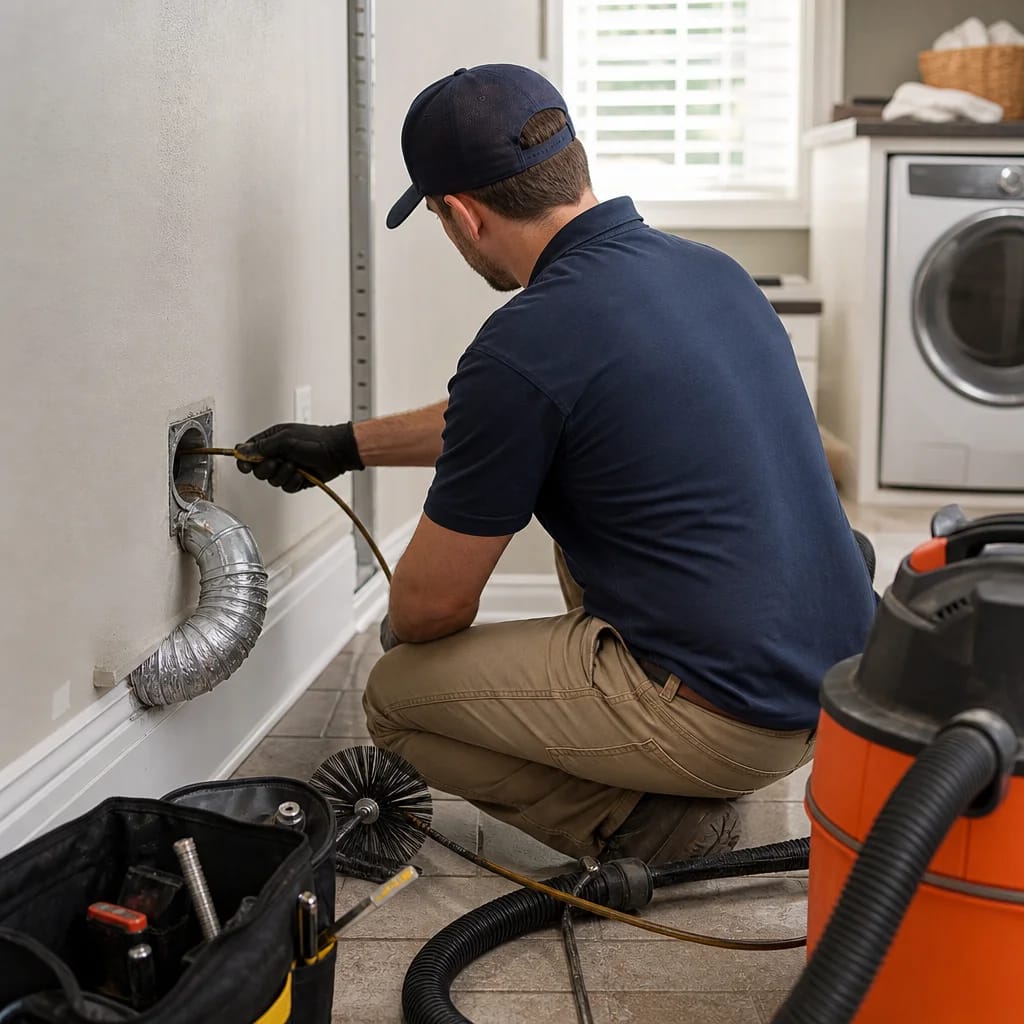
Our team accesses ducts at multiple points to ensure thorough cleaning throughout the entire system. We vacuum debris while using specialized tools to dislodge buildup from interior duct walls. This comprehensive approach prevents contamination from migrating back into your home.
For homes with mold or bacterial growth, we offer sanitization treatments that target odor-causing microorganisms. These treatments complement cleaning and help restore fresh air quality. After Dallas residential duct cleaning, most homeowners notice improved air quality and eliminated odors within days.
We also assess whether ductwork repairs are needed. Damaged ducts can leak conditioned air and allow contamination to enter. Sealing or replacing problem sections improves both efficiency and air quality.
Chimney Cleaning and Inspection Services
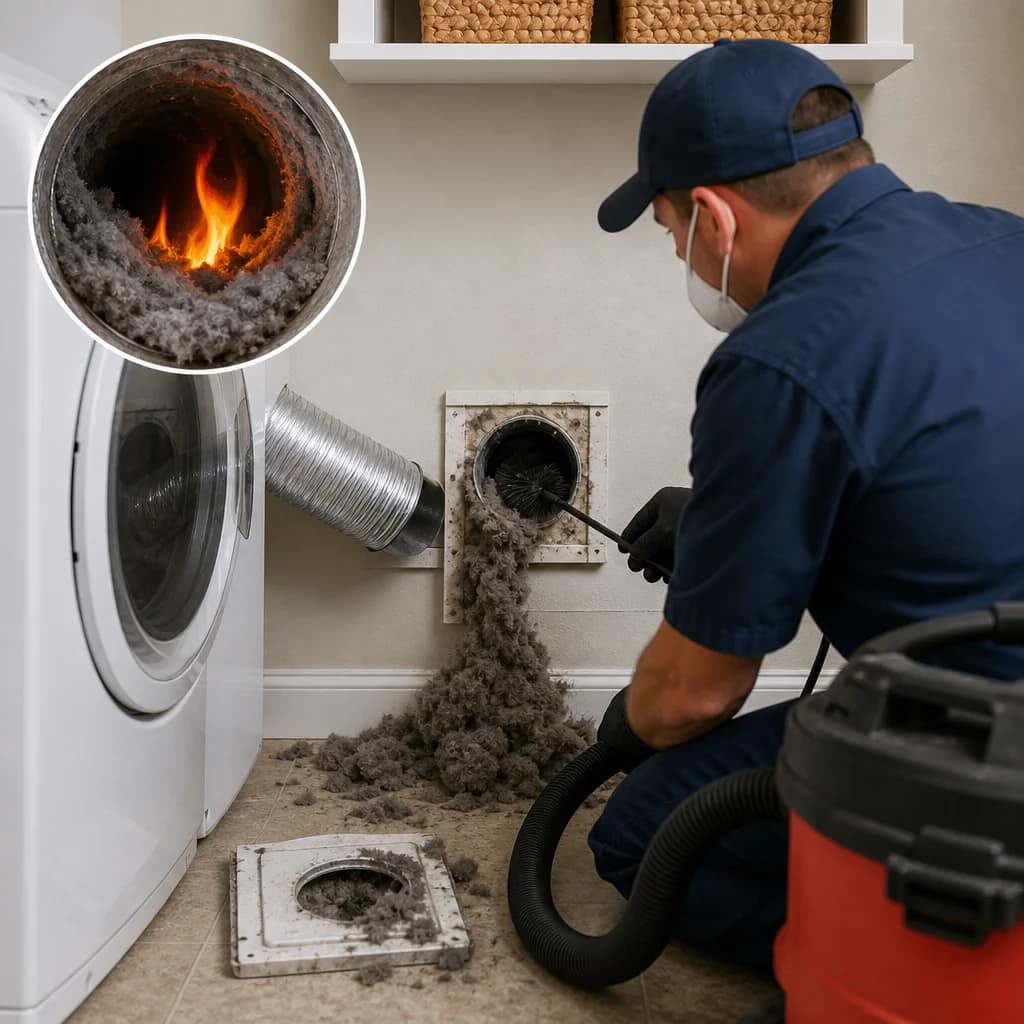
Chimney odors require specialized attention. We provide professional chimney sweeping that removes creosote, soot, and debris from the flue. This process restores proper draft and eliminates the acrid smell associated with buildup.
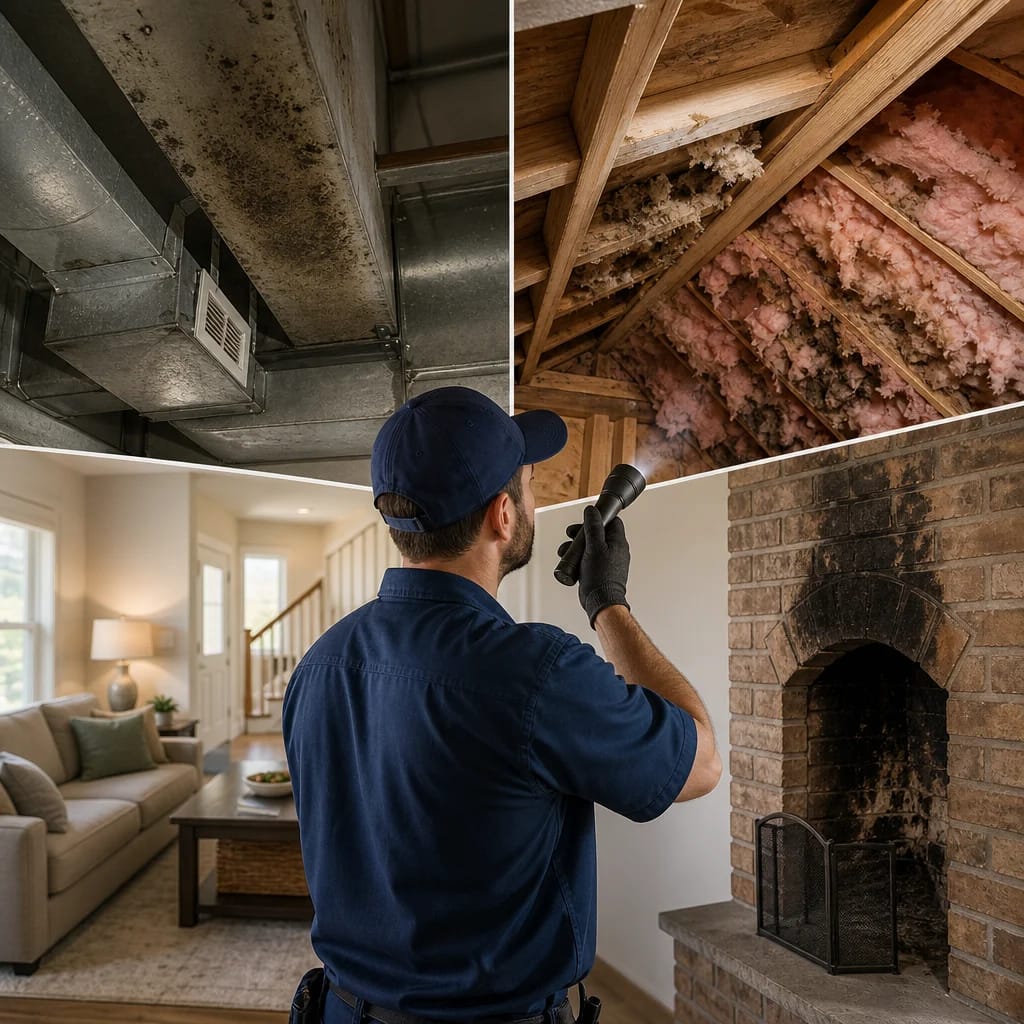
During chimney inspection, we assess structural integrity, check for cracks or deterioration, and ensure the damper functions properly. A properly functioning chimney prevents odors from seeping into living spaces and reduces fire risk.
If your chimney is blocked or shows signs of damage, we recommend repair before further use. Regular maintenance—annual sweeping for active fireplaces—prevents odor problems and keeps your system safe.
Addressing Insulation Issues Through Ventilation Improvement
When moisture-damaged insulation is the source, addressing the underlying problem is essential. Often, this means improving ventilation in attics and crawl spaces. Poor ventilation traps humidity, allowing moisture to accumulate.
We assess your home’s ventilation system and recommend improvements such as additional vents, powered attic fans, or ventilation repairs. These solutions reduce moisture levels and prevent future insulation damage.
In some cases, damaged insulation requires replacement. Combined with ventilation improvements, this eliminates both the immediate odor problem and prevents recurrence. Proper ventilation in Dallas homes is particularly important given our climate.
Next Steps: Getting Your Home’s Air Quality Back on Track
If you’re dealing with musty odors, start by trying the simple diagnostic tests outlined above. Document your observations about when and where the smell is strongest.
Once you’ve narrowed the likely source, contact us for professional evaluation. We’ll determine the exact cause and recommend targeted solutions tailored to your situation. Our 24/7 availability means you can reach us conveniently, and our technicians provide fast response times.
A thorough professional inspection costs far less than ignoring the problem and dealing with larger issues later. We’re here to help Dallas homeowners and business owners restore clean, fresh indoor air. Call us today to schedule your diagnostic visit and take the first step toward solving your odor problem.
Frequently Asked Questions (FAQ)
What should I do if I notice a musty smell coming from my vents?
We recommend starting by checking your air filter and replacing it if it’s dirty, since a clogged filter can trap moisture and odors. Next, locate your air return vents and see if you notice any visible mold, dust buildup, or moisture around them. If the smell persists after a filter change, we suggest calling us for a professional inspection because musty odors often indicate mold or bacterial growth deep within your ductwork that requires specialized equipment to diagnose and treat.
How can I tell if a musty odor is coming from my chimney versus my air ducts?
We find that chimney odors typically intensify when it’s humid outside or after rain, and they’re strongest near the fireplace or in rooms closest to where your chimney runs. Air duct odors, by contrast, spread more evenly throughout your home whenever your heating or cooling system cycles on. The easiest way to narrow it down is to turn off your HVAC system for an hour and see if the smell fades; if it does, your ducts are likely the culprit, but if the odor remains, we’d investigate your chimney and surrounding areas.
Why should I get a professional inspection instead of trying to fix a musty smell myself?
We use specialized equipment like thermal imaging cameras and air quality testing tools that reveal mold, moisture, and contamination hidden deep in your ductwork, insulation, and chimney where your eyes simply can’t reach. Many homeowners miss the actual source because musty odors travel through your home’s ventilation system, making the origin hard to pinpoint without professional diagnostics. Our team can identify whether you need duct cleaning, sanitization, chimney sweeping, or something else entirely, which saves you time and money compared to guessing or trying multiple treatments.