

Table of Contents
- 1. Why Duct Sanitizing Matters for Your Family's Health
- 2. How Our Sanitizing Process Removes Harmful Mold and Bacteria
- 3. Safe Duct Sanitizing for Children and Developing Lungs
- 4. Pet-Friendly Air Quality Solutions That Actually Work
- 5. Asthma Relief Through Professional Duct Sanitization
- 6. The Dangers of DIY Sanitizing vs. Our Professional Approach
- 7. What Makes Our Sanitizing Method Better Than Standard Cleaning
- Frequently Asked Questions (FAQ)
1. Why Duct Sanitizing Matters for Your Family’s Health
Your home’s air ducts are the circulatory system of your HVAC system. They deliver heated or cooled air throughout your living spaces every single day. But here’s what many Dallas homeowners don’t realize: without proper maintenance and sanitization, those ducts can become breeding grounds for mold, bacteria, dust mites, and other contaminants that get recirculated into the air your family breathes.
We’ve spent years helping Dallas property owners understand that duct cleaning alone isn’t always enough. That’s why we developed a comprehensive duct sanitizing service that goes beyond removing visible dust and debris. Our approach targets the microscopic threats that standard cleaning often leaves behind, creating a genuinely healthier indoor environment for your household.
Most homeowners think about their air ducts only when they notice reduced airflow or higher energy bills. But your ductwork directly impacts the air quality inside your home, and poor air quality affects respiratory health, sleep quality, and overall wellness.
Dust, pet dander, pollen, and moisture accumulate in ductwork over time. In Dallas’s humid climate, that moisture creates ideal conditions for mold growth. Add bacteria, viruses, and other microbial contaminants, and your ducts can become a source of indoor air pollution rather than a pathway for fresh, filtered air.
Standard air duct cleaning removes loose debris and dust buildup, which is valuable. But it doesn’t eliminate the microorganisms that cling to duct surfaces. That’s where sanitizing becomes essential. When you sanitize, you’re not just cleaning a surface, you’re actively eliminating harmful pathogens that trigger allergies, asthma symptoms, and respiratory discomfort.
What to do next: If anyone in your home suffers from allergies, asthma, or unexplained respiratory issues that seem worse indoors, request a professional duct inspection to assess whether sanitizing would benefit your family.
2. How Our Sanitizing Process Removes Harmful Mold and Bacteria
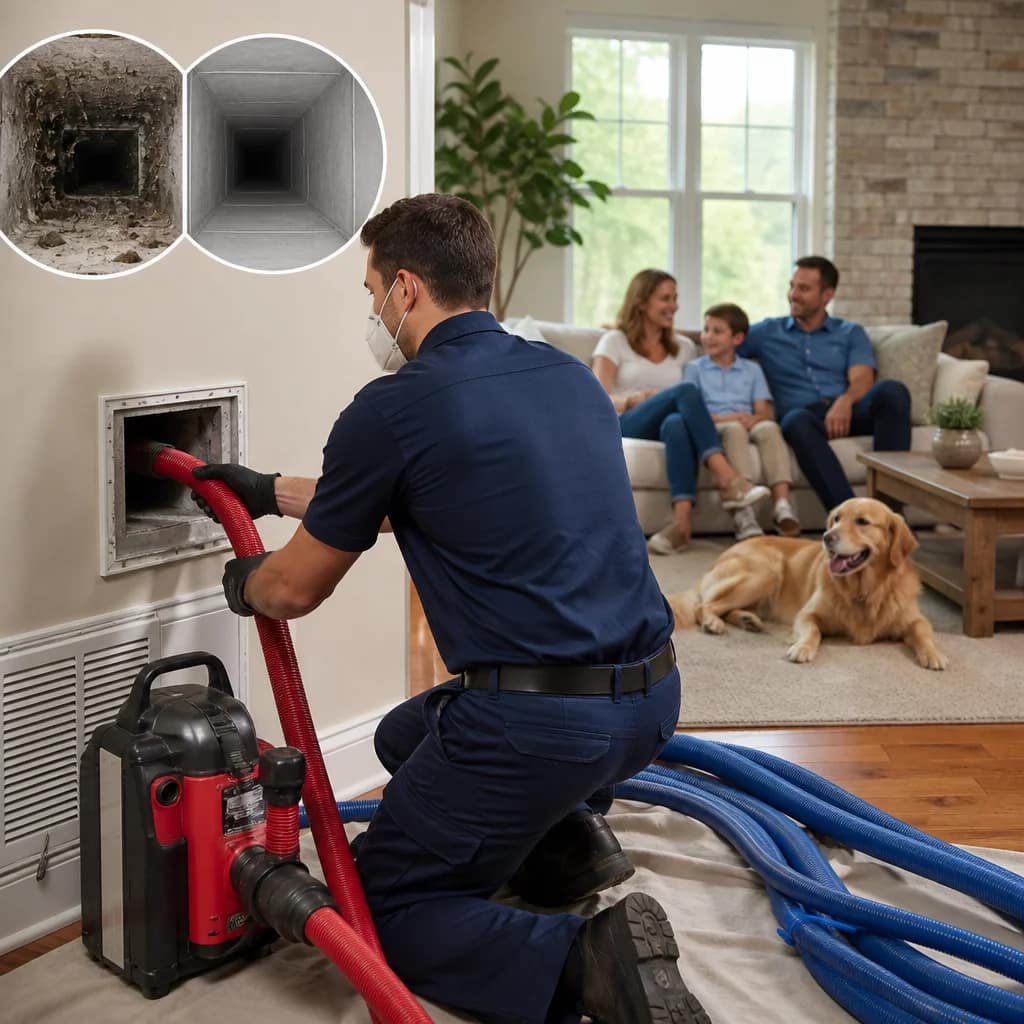
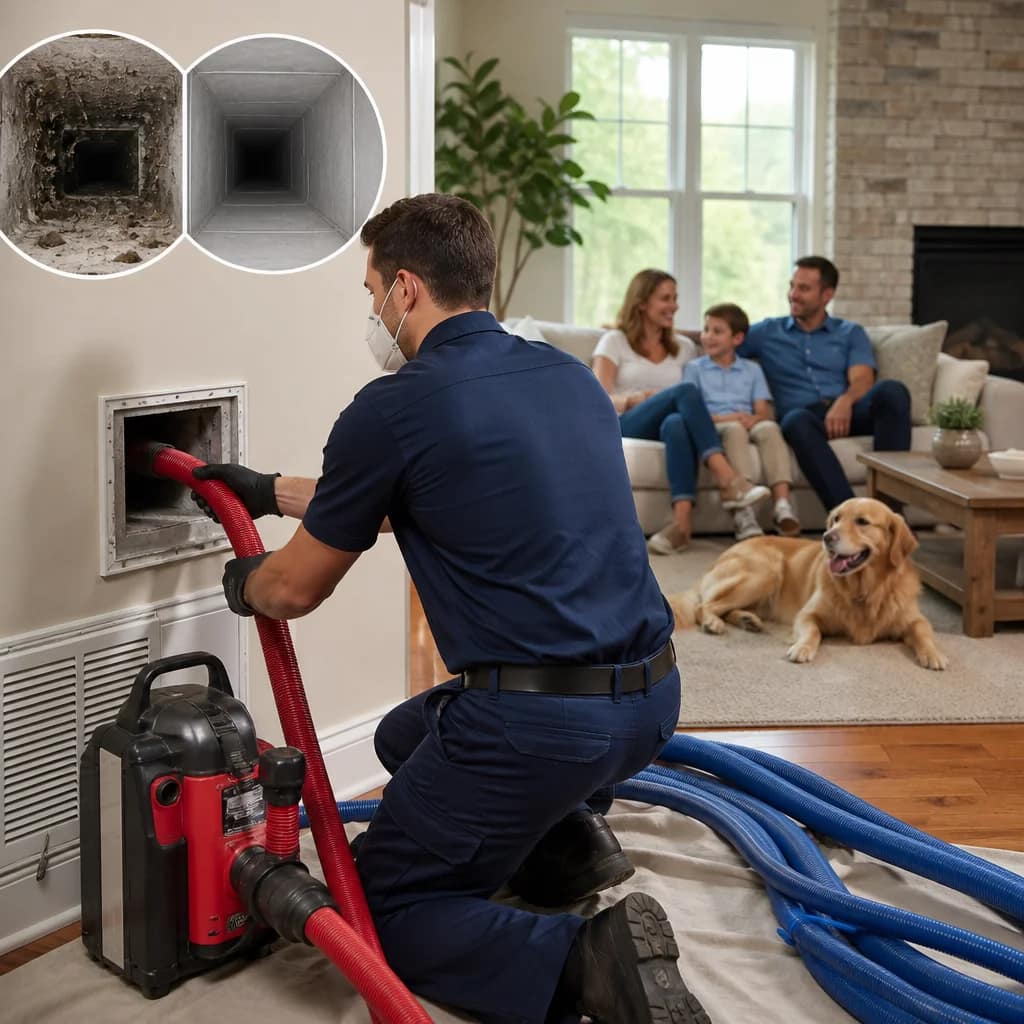
Our duct sanitizing process combines mechanical cleaning with hospital-grade sanitizing treatments designed specifically for HVAC systems. We don’t use harsh chemicals that leave residue or create new air quality problems. Instead, we apply EPA-approved sanitizers that eliminate mold spores, bacteria, and viruses without harming your family or pets.
Here’s how we approach it:
- Initial inspection using video camera technology to identify problem areas, mold growth, and bacterial accumulation
- Deep mechanical cleaning to remove loose debris and create a clean surface for sanitizing
- Application of hospital-grade sanitizer throughout the entire duct system
- Final verification that the sanitizing treatment has reached all duct sections
- Post-treatment air quality assessment
The science behind this matters. Mold spores are incredibly hardy and can regrow quickly if only the visible growth is removed. Our sanitizers break down the biological structure of mold, bacteria, and other pathogens, preventing regrowth for months. We’re not just making your ducts cleaner to look at, we’re making them genuinely safer to breathe from.
Dallas’s combination of heat and humidity means mold is a persistent challenge. We’ve seen homes where standard cleaning was done repeatedly, but mold kept returning because the root cause, inadequate sanitizing, was never addressed.
What to do next: If you’ve had your ducts cleaned before but still notice musty odors or recurring allergy symptoms, that’s a sign sanitizing should be your next step.
3. Safe Duct Sanitizing for Children and Developing Lungs
Children’s lungs are still developing, making them more vulnerable to airborne contaminants. A child spending 8+ hours at home each day breathes thousands of cubic feet of air from your HVAC system. If those ducts harbor mold, bacteria, or other irritants, their developing respiratory systems face constant exposure.
We take this responsibility seriously. Our sanitizing products are selected specifically because they’re safe for families with young children and infants. We don’t use harsh aerosol sprays or chemical fog treatments that leave toxic residue. Our approach is proven safe in hospitals and healthcare facilities where vulnerable patients require the highest standards.
Many parents notice their children’s persistent coughs, congestion, or nighttime breathing issues improve noticeably after professional duct sanitization. While we can’t guarantee specific health outcomes, the connection between indoor air quality and respiratory comfort is well-established.
Beyond sanitizing, we also inspect for other hazards. Loose ductwork, gaps where outdoor air leaks in, or inadequate sealing can introduce unfiltered air into your home. Children benefit from a comprehensive approach that addresses not just what’s in the ducts, but how well sealed and maintained your entire system is.
What to do next: If your child experiences persistent coughing, excessive sneezing indoors, or nighttime congestion, consider having your ducts professionally inspected and sanitized as part of a broader indoor air quality strategy.
4. Pet-Friendly Air Quality Solutions That Actually Work
Pet owners face a unique indoor air quality challenge. Pet dander, hair, and odors accumulate in ductwork faster than in pet-free homes. Standard filters help, but they can’t capture everything, and trapped pet dander in ducts becomes a breeding ground for dust mites and bacterial growth.
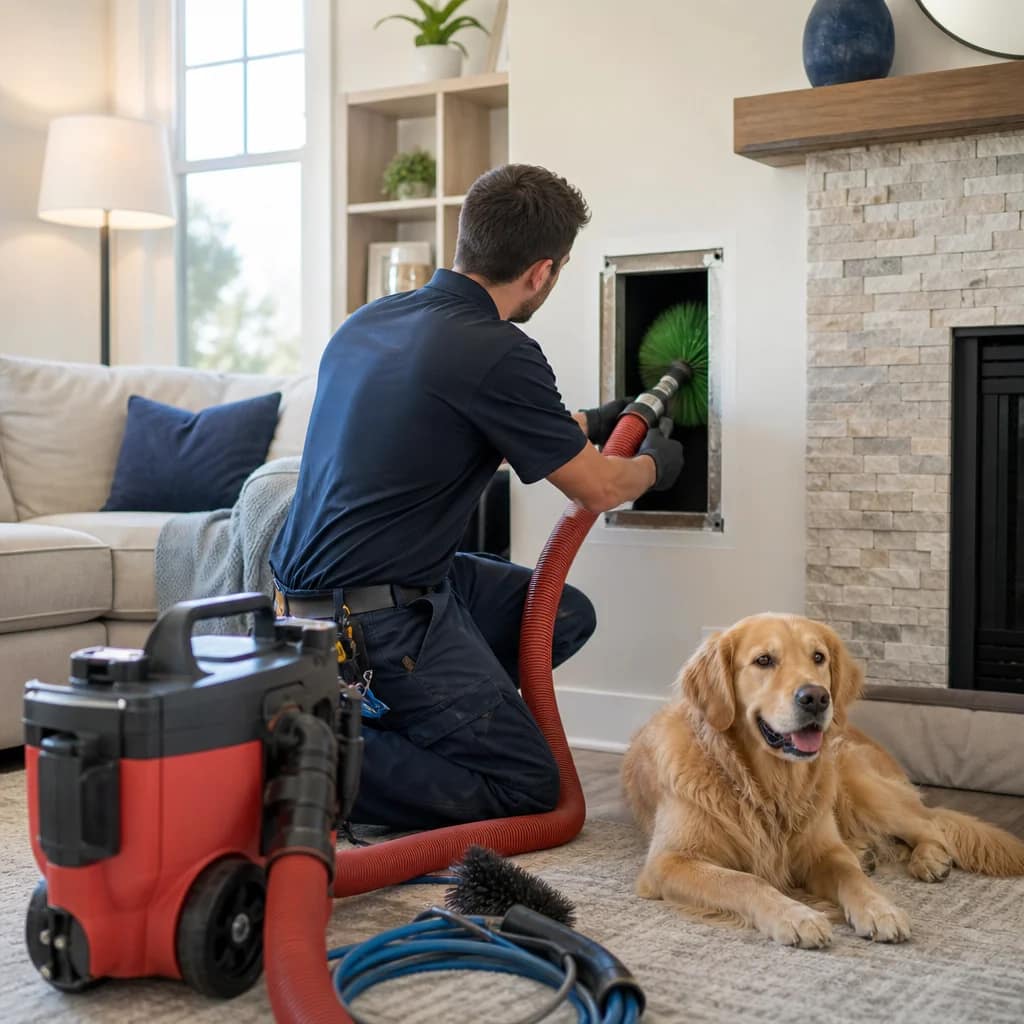
Our sanitizing process is completely safe for homes with dogs, cats, or other pets. We don’t use toxins or irritants that could harm your animals. In fact, pets often benefit the most from sanitized ducts because we’re eliminating the dander accumulation that triggers allergic reactions and odor issues.
Here’s what we typically see in pet-owning households:
- Reduced pet odors throughout the home
- Less dust settling on surfaces
- Fewer allergens circulating when your HVAC system runs
- Improved air freshness without relying on air fresheners or sprays
- Easier breathing for pets with existing respiratory sensitivities
The key is combining sanitizing with proper filtration and regular maintenance. Upgrading to a higher-grade air filter can help slow future dander accumulation, and we can recommend the right filter type for your system. But regular sanitizing addresses the accumulation that filters alone can’t prevent.
What to do next: Pet owners should have ducts sanitized every 18-24 months, compared to 2-3 years for non-pet households, to maintain optimal air quality.
5. Asthma Relief Through Professional Duct Sanitization
Asthma is triggered and worsened by airborne irritants, and your ductwork can be a major source. Mold spores, dust mite allergens, pet dander, and bacterial byproducts all aggravate asthmatic airways. Families managing asthma often find that reducing these indoor triggers significantly improves symptom control and quality of life.
When we sanitize ducts for asthma-prone households, we’re strategically removing the specific triggers that make breathing difficult. Mold is particularly problematic for asthma sufferers because it releases spores continuously, creating a never-ending trigger source. Bacteria can produce endotoxins that cause inflammation in airways.
Professional duct sanitization for asthma goes beyond cleaning because you need to eliminate, not just remove, the biological contaminants. Our process ensures that mold, bacteria, and other irritants are neutralized rather than simply displaced to another section of ductwork.
We also conduct detailed inspections to identify other asthma triggers in your duct system. Excessive moisture, poor seal integrity, or near-outdoor air intakes can introduce additional irritants. By addressing these during the sanitizing process, we help create an environment where asthma symptoms are less likely to spike.
Many families notice asthma medication usage decreases after sanitization, nighttime asthma attacks become less frequent, and overall respiratory comfort improves.
What to do next: If asthma is a challenge in your household, request a professional duct inspection focused specifically on asthma triggers, and discuss whether sanitizing combined with filter upgrades would benefit your treatment plan.
6. The Dangers of DIY Sanitizing vs. Our Professional Approach
The DIY market is full of duct sanitizing sprays, aerosol treatments, and self-application kits. The appeal is obvious: they’re cheaper and convenient. But there are serious limitations and risks that homeowners should understand before choosing the DIY route.
DIY sanitizers typically don’t penetrate far into ductwork. You spray a product into your return air vents, but it doesn’t reliably reach the deep sections of your ducts where most contamination accumulates. You also can’t see where you’re treating, so you have no way to verify the sanitizer actually reached the problem areas.
There’s also a risk of using harsh chemicals inside your ductwork. Some over-the-counter products contain irritants that can be dangerous when aerosolized throughout your home, especially for children, pets, and people with respiratory sensitivities. Professional-grade sanitizers are formulated specifically for closed HVAC systems and safe dispersal.
Beyond safety, professional sanitizing includes the critical step of mechanical cleaning first. You can’t sanitize effectively over a layer of dust and debris. The organic material shields microorganisms from sanitizer contact. Professional equipment removes that protective layer, ensuring your sanitizer actually eliminates pathogens rather than just coating dirt.
Our approach includes verification. We use video inspection technology to confirm sanitizer penetration and treatment coverage throughout your entire duct system. You see exactly what we found and what we treated.
What to do next: If you’ve tried DIY duct treatments without lasting results, professional sanitizing will deliver results that spray bottles simply cannot match.
7. What Makes Our Sanitizing Method Better Than Standard Cleaning
The distinction between cleaning and sanitizing is critical, and it’s where many HVAC companies fall short. A company can tell you they provide duct cleaning, but that doesn’t mean they sanitize. Cleaning removes dust, sanitizing eliminates living microorganisms.
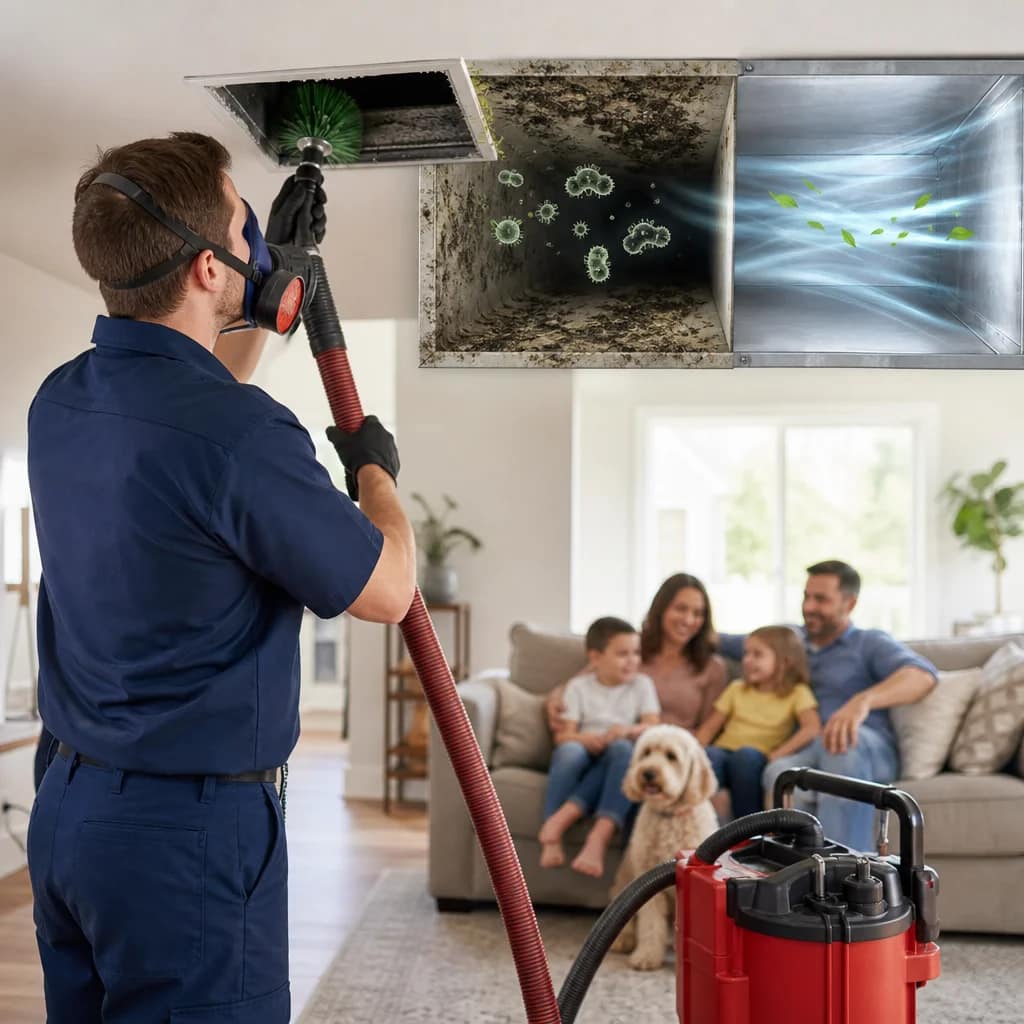
We’ve designed our process specifically to address both. Our air duct cleaning process includes comprehensive mechanical removal of debris, but that’s only the foundation. We then apply hospital-grade sanitization treatments that eliminate mold, bacteria, viruses, and other pathogens. This combination delivers air quality improvements that cleaning alone simply cannot.
Our sanitizing method offers several advantages:
- EPA-approved products formulated for HVAC systems and home safety
- Trained technicians who understand the relationship between cleaning and sanitizing
- Video verification that treatment has reached throughout your duct system
- Moisture control to prevent mold regrowth
- Odor elimination that lasts, not temporary fragrance masking
- Professional equipment that reaches all ductwork sections, not just accessible areas
Many Dallas companies offer cleaning. Few offer truly comprehensive sanitizing. That difference becomes obvious when you’re breathing cleaner air weeks and months after treatment, not just for a few days after service.
We also stand behind our work with transparent communication about what was found, what was treated, and what results you should expect. No surprises, no upsells, just honest assessment of your duct system’s actual condition.
What to do next: Request a detailed inspection and quote that specifically includes sanitizing, not just cleaning. Ask the company to explain the difference between their cleaning and sanitizing processes. Most companies won’t have a detailed answer. We do.
—
Your family’s health and indoor air quality shouldn’t be left to chance or DIY solutions. Professional duct sanitizing is an investment in cleaner air, fewer respiratory triggers, and genuine peace of mind that your home’s HVAC system is actively supporting your family’s wellness rather than circulating hidden threats.
If you’re a Dallas homeowner concerned about indoor air quality, allergies, asthma, pet dander accumulation, or mold growth in your ducts, we’re here to help. Contact us today for a professional duct inspection and sanitizing consultation. We’ll assess your specific situation and recommend the right solution for your family’s needs.
Frequently Asked Questions (FAQ)
How does our duct sanitizing process differ from standard air duct cleaning?
We go beyond removing dust and debris by using professional-grade sanitizing treatments that eliminate mold, bacteria, and allergens at the source. Our process includes EPA-approved sanitizers applied throughout your entire ductwork system, which standard cleaning alone cannot achieve. We ensure harmful microorganisms are destroyed, not just temporarily removed, so your family breathes cleaner air long-term.
Is our sanitizing safe for children, pets, and people with asthma?
We specifically formulate our sanitizing approach to be safe for all household members, including infants, pets, and those with respiratory conditions like asthma. Our products are non-toxic after application and dry completely within your ducts before your system circulates air again. Many of our Dallas customers choose us precisely because we prioritize health-conscious families and actually improve symptoms for those with asthma and allergies.
What warning signs should we look for that our air ducts need sanitizing?
We recommend scheduling sanitizing if you notice musty odors coming from your vents, visible mold around duct openings, increased allergy symptoms indoors, or a spike in your energy bills. Pet dander, moisture from humidity, or recent water damage are also strong indicators that our sanitizing service would benefit your home. We’re happy to inspect your system at no charge to determine whether sanitizing is needed for your specific situation.