

Table of Contents
- Why Creosote Buildup Threatens Your Dallas Home
- How Dangerous Chimney Conditions Develop Over Time
- The Health and Safety Risks of Neglected Chimneys
- Our Professional Chimney Sweeping Process and Expertise
- What Makes Our Creosote Removal Service Different
- How Regular Chimney Maintenance Saves You Money
- Signs Your Chimney Needs Professional Cleaning Today
- Why Dallas Homeowners Trust Our Chimney Services
- Schedule Your Professional Chimney Inspection and Cleaning
- Frequently Asked Questions (FAQ)
Why Creosote Buildup Threatens Your Dallas Home
If you heat your home with a fireplace or wood stove, creosote buildup in your chimney isn’t just an inconvenience—it’s a fire hazard that grows more dangerous with every cold season. At Dr. Air Duct, we’ve helped countless Dallas homeowners protect their properties through professional chimney sweeping and creosote removal. Understanding what creosote is, how it accumulates, and why regular cleaning matters can save you from costly damage and serious safety risks.
Creosote forms whenever wood smoke rises through your chimney. As the smoke cools, it condenses and sticks to the inner walls, building up layer after layer with each fire you burn. This dark, sticky, flammable substance can quickly turn a cozy fireplace into a fire waiting to happen.
The danger escalates in our Dallas climate. While winters are mild compared to northern states, many homeowners use fireplaces regularly enough during fall and early spring to accumulate significant creosote. We’ve inspected chimneys where residents thought they used their fireplace “just occasionally,” only to find heavy creosote deposits that suggested otherwise.
Creosote comes in three stages: light surface coating (easiest to remove), glazed deposits (sticky and harder to clean), and extreme buildup that requires specialized equipment. The thicker it gets, the more flammable it becomes. Even a small spark can ignite creosote, potentially spreading fire up through your roof or down into your home.
What to do next: If you use your fireplace or wood stove at all during the year, schedule a professional chimney inspection to assess your creosote level rather than guessing.
How Dangerous Chimney Conditions Develop Over Time
Most homeowners don’t realize how quickly creosote accumulates because they rarely see inside their chimney. One factor that accelerates buildup is burning wet or green wood, which produces more smoke and cooler temperatures—both favoring creosote formation. Another is a chimney that isn’t drawing properly due to blockages, poor draft, or damage to the flue lining.
In Dallas, we also see issues from lack of regular maintenance. Many homes get their chimneys inspected infrequently or never. Soot, debris, bird nests, and crumbling mortar don’t just trap creosote; they reduce airflow and create conditions where fire can spread. Over several seasons, a neglected chimney can become structurally compromised, with deteriorating flue linings and cracks that allow heat and flames to escape into surrounding framing.
Chimney damage compounds over time. Water enters small cracks during our occasional heavy rains, freezes during cold snaps (however brief), and expands, widening the damage. This cycle weakens the structure and reduces its ability to safely handle the heat and draft of a fire.
What to do next: Commit to annual inspections before your fireplace season starts, ideally in late summer or early fall.
The Health and Safety Risks of Neglected Chimneys
A chimney that’s clogged or drawing poorly can allow smoke and carbon monoxide to back up into your home rather than exiting safely. This creates an immediate health threat, especially for children, elderly relatives, and anyone with respiratory conditions. Even modest exposure to backdrafting smoke can trigger coughing, headaches, and breathing difficulty.
The fire risk is equally serious. Creosote fires burn hot and fast, often starting in the chimney itself. Some homeowners don’t realize a chimney fire is happening until they hear loud cracking sounds or see flames shooting from the top. By then, the fire has already exposed your roof, attic, and walls to dangerous temperatures. Even a brief chimney fire can cause damage requiring thousands of dollars in repairs.
Additionally, obstructed chimneys prevent proper ventilation of combustion byproducts. Your fireplace or stove needs a clear path for exhaust, and blockages force those gases back into your living space, creating ongoing health exposure.
What to do next: If you’ve never had your chimney professionally inspected, treat this as a priority safety matter, not a future project.
Our Professional Chimney Sweeping Process and Expertise
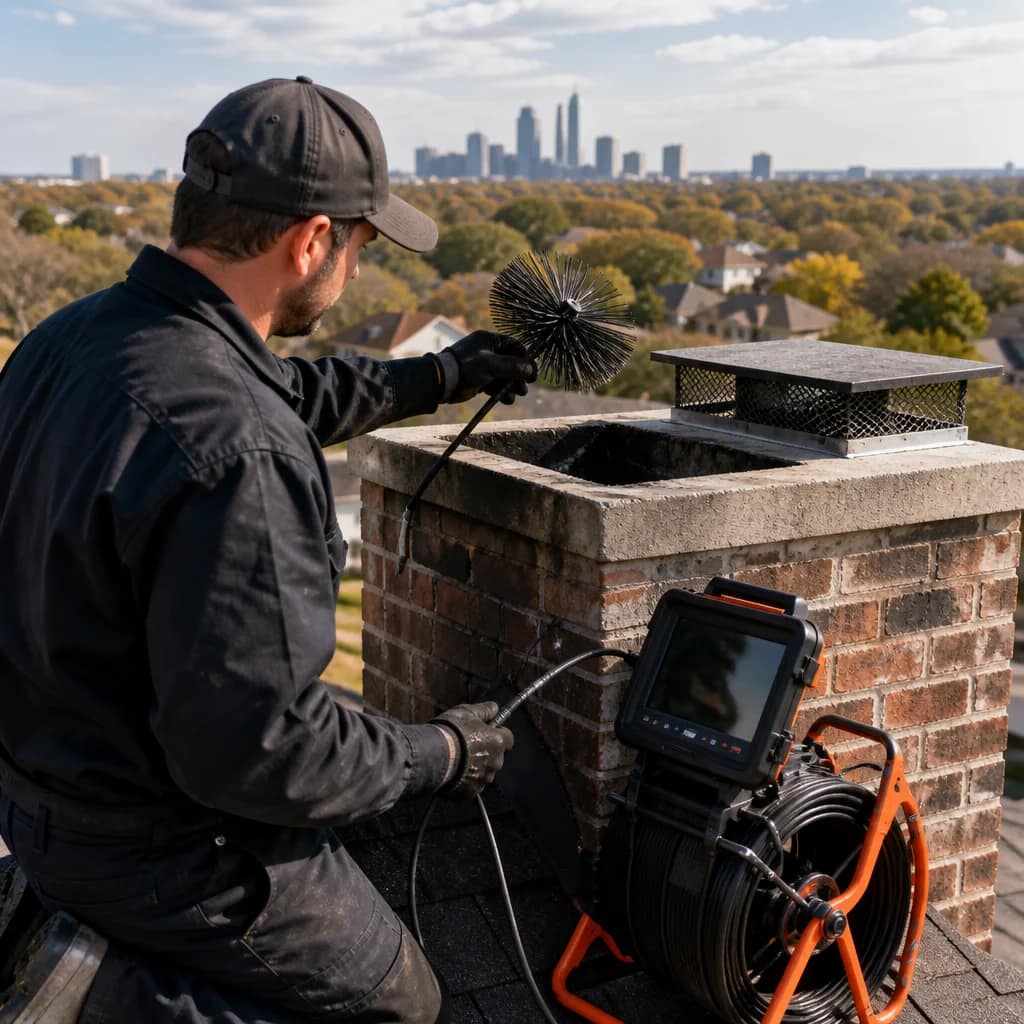
When we arrive for a chimney cleaning, we start with a thorough inspection using specialized equipment to see the full picture of your flue condition, creosote level, and any structural issues. This informs our cleaning approach and helps us catch problems early.
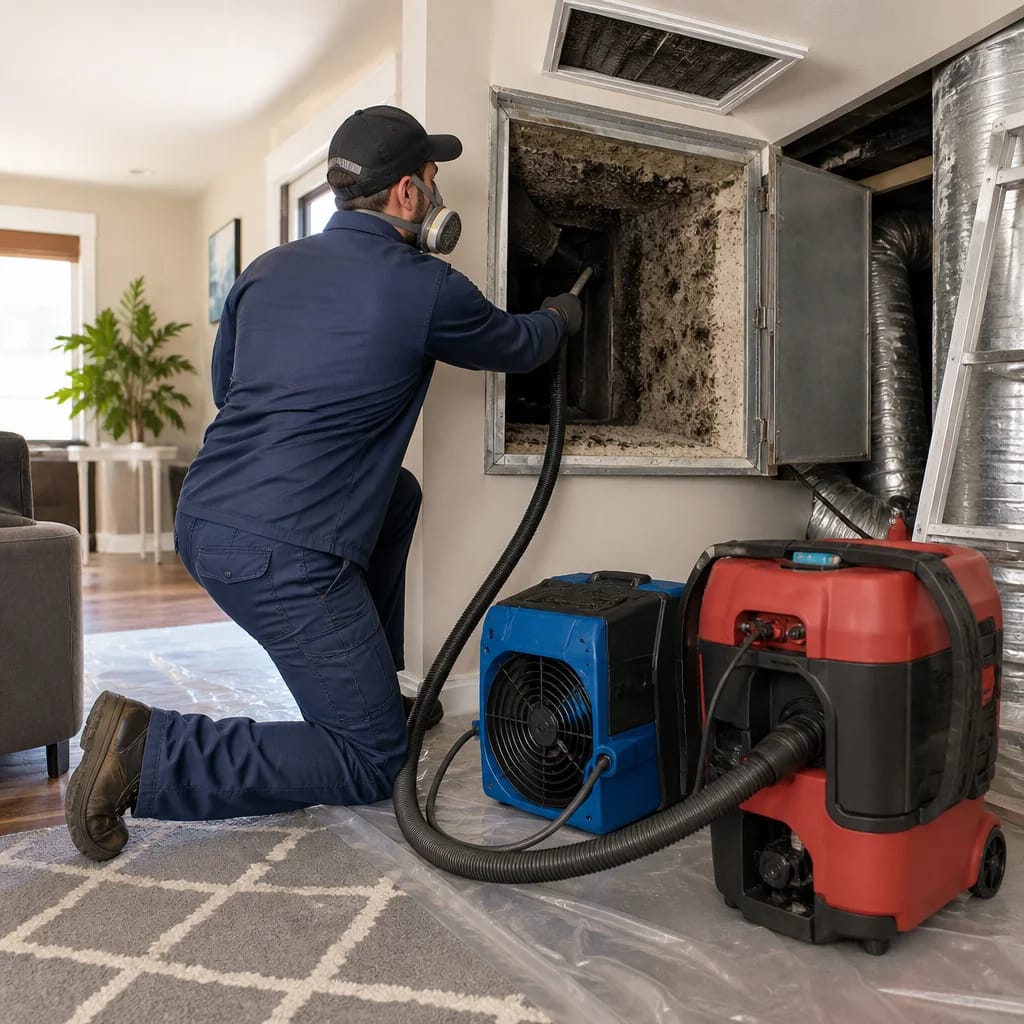
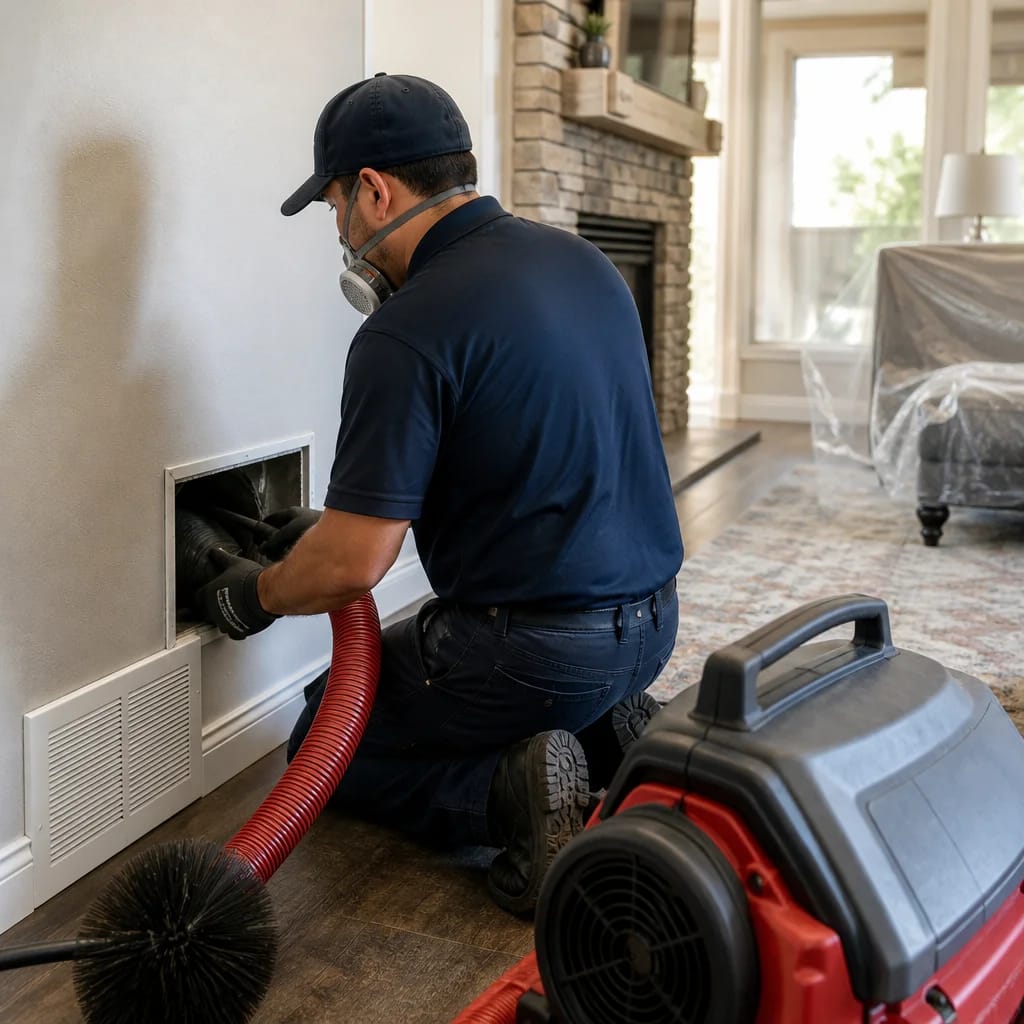
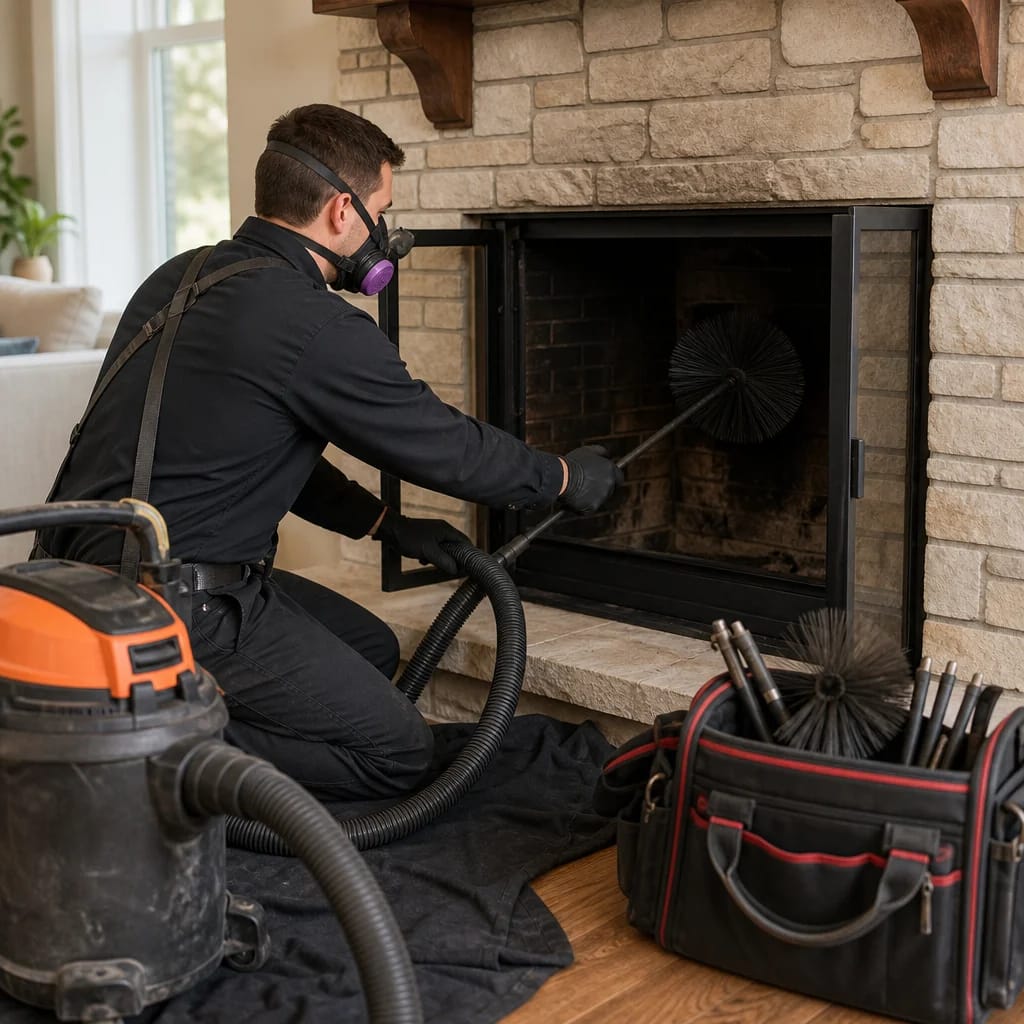
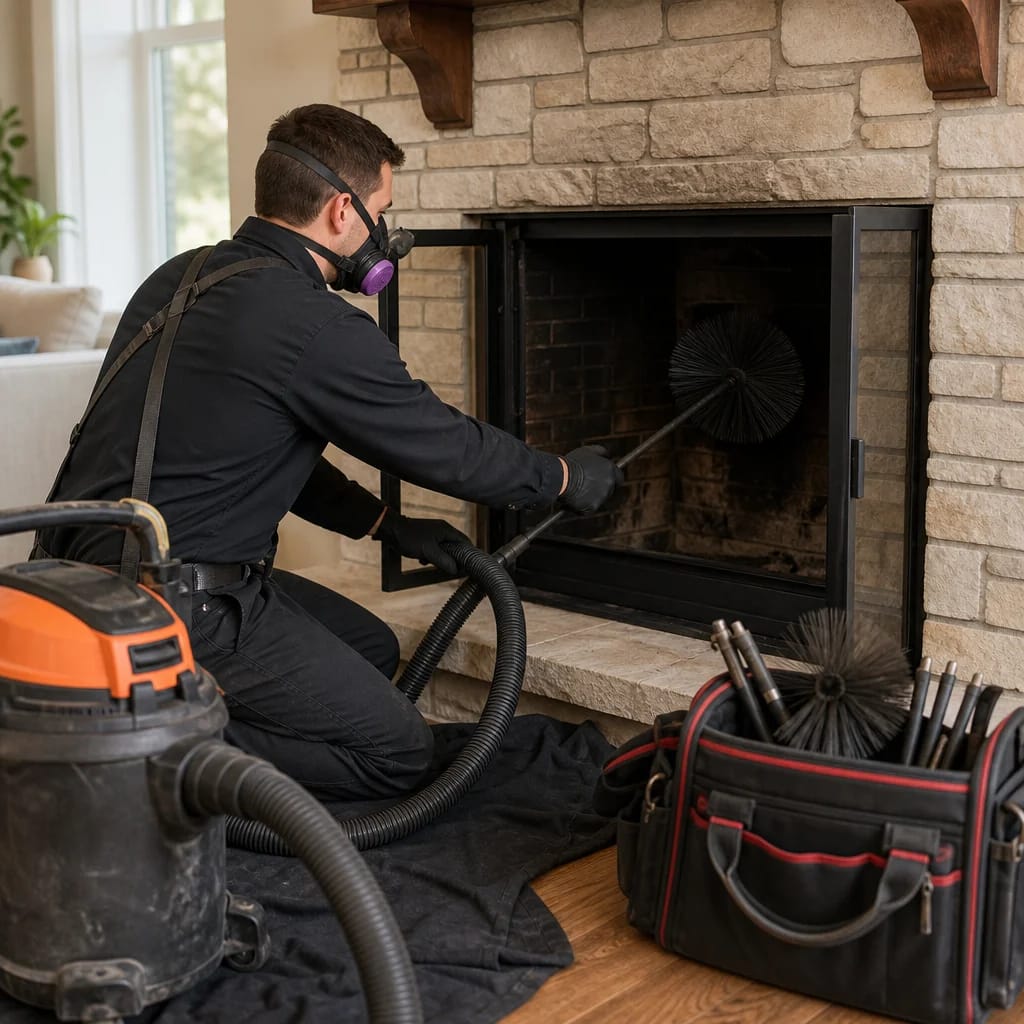
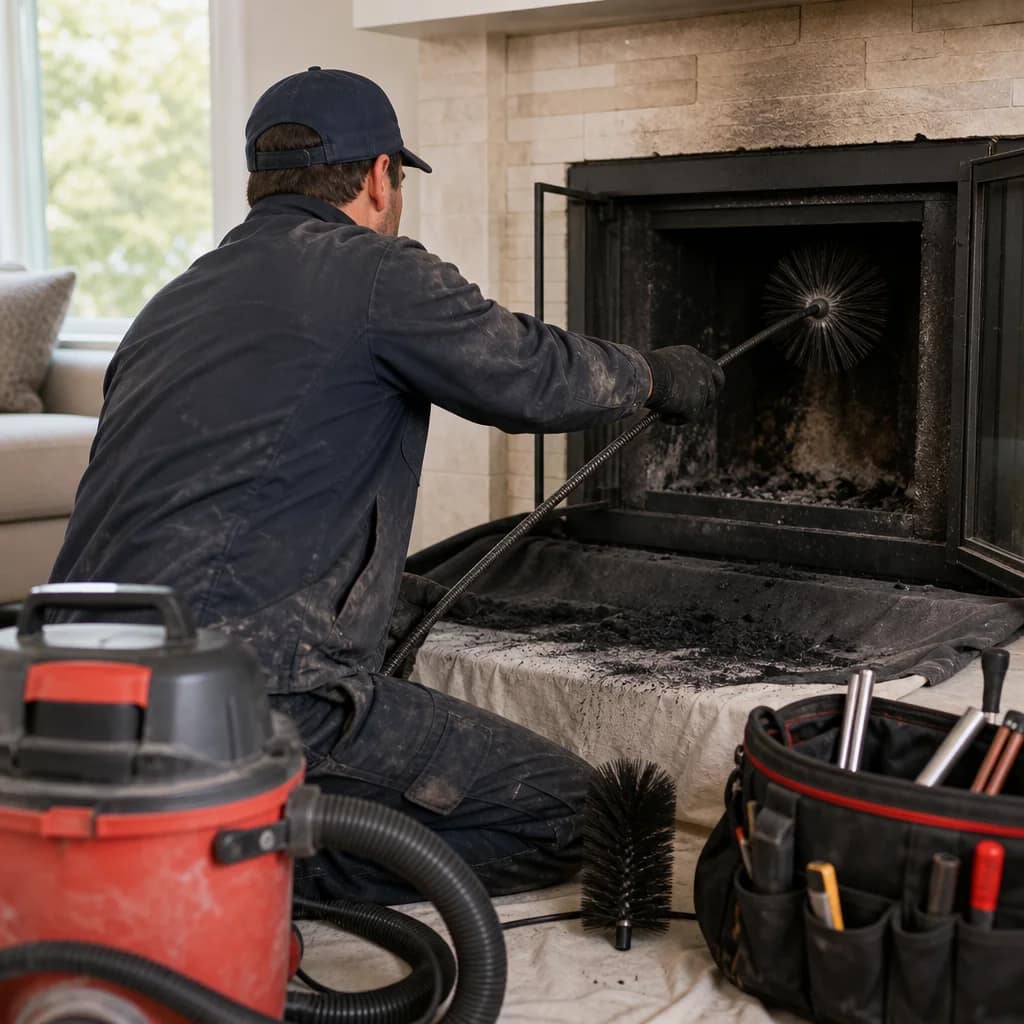
Our technicians use professional-grade brushes and rods to physically remove creosote from every section of your chimney. For light to moderate buildup, standard sweeping works well. For heavier, glazed deposits, we employ more aggressive techniques and equipment designed to break down stubborn creosote without damaging your flue lining. We also remove soot, debris, and any obstructions that could restrict airflow or trap heat.
We contain the mess carefully, using drop cloths and vacuums to protect your home’s interior. This is one area where professional service makes a real difference—DIY chimney cleaning often leaves soot throughout the house and doesn’t reach all areas effectively. Our team knows how to work safely at heights, access tight flues, and dispose of hazardous creosote properly.
What to do next: Request a professional inspection and cleaning quote; our technicians will provide a clear assessment of your chimney’s condition and recommend any additional repairs needed.
What Makes Our Creosote Removal Service Different
We combine thorough inspection with proper equipment and local expertise. Our technicians understand Dallas-area building codes, common chimney issues in older and newer homes, and how our climate affects chimney maintenance. We’re not rushing through jobs; we take time to identify problems and explain what we find.
We also coordinate chimney cleaning with broader home air quality needs. If your chimney isn’t ventilating properly, it can affect your whole-home air circulation and HVAC system performance. We look at the big picture rather than treating chimneys in isolation. When needed, we recommend related services like air duct inspection or dryer vent cleaning, since these systems all contribute to your home’s safety and efficiency.
Our approach prioritizes transparency. We show you what we find, explain the severity clearly, and give you options for addressing any repairs. We never pressure you into unnecessary work or create false urgency.
What to do next: Ask about our inspection findings in detail; understanding your chimney’s actual condition helps you make informed decisions about maintenance intervals and repairs.
How Regular Chimney Maintenance Saves You Money
Preventive chimney cleaning costs far less than dealing with a chimney fire, water damage, or extensive repairs. A professional sweep runs $150 to $300 typically, while repairing fire damage or replacing a flue lining can reach thousands of dollars. The math is straightforward: annual maintenance is a bargain compared to emergency repairs.
Regular cleaning also helps your fireplace operate more efficiently. A clear chimney draws better, meaning your fires burn cleaner and produce less smoke. You’ll enjoy your fireplace more comfortably without constantly adjusting logs or managing poor draft.
Additionally, staying on top of inspections catches small problems before they become big ones. Spotting a minor crack in the flue lining or a loose cap during a routine inspection lets you address it while it’s manageable, preventing water intrusion and structural deterioration.
What to do next: Set an annual chimney maintenance reminder in your calendar for late August or early September, before your fireplace season begins.
Signs Your Chimney Needs Professional Cleaning Today
Don’t wait for a crisis. Watch for these red flags that indicate your chimney needs immediate attention:
- Excessive smoke backing into the home when your fireplace is in use
- A strong, persistent smoky smell even when the fireplace isn’t burning
- Difficulty getting fires to start or maintain a flame
- Visible soot buildup inside the fireplace or damper
- Creosote accumulation visible at the top of the chimney
- Animal sounds or debris falling into the firebox
- Water stains on the chimney exterior or ceiling near the chimney
- A fire that burns unusually bright orange or sparks excessively (possible creosote fire)
Any of these conditions warrants a professional inspection within days, not weeks. A chimney fire is a genuine emergency, but even non-fire issues reduce safety and efficiency.
What to do next: If you notice any of these signs, contact us right away rather than using your fireplace further until the problem is addressed.
Why Dallas Homeowners Trust Our Chimney Services
We’ve built our reputation on showing up when we say we will, doing thorough work, and treating your home with respect. Chimney services require trained professionals who understand both the technical aspects and the safety implications of the work. Our team has the experience to handle everything from routine cleaning to complex repairs and installations.
Dallas homeowners know that local service means accountability. We’re here year-round, familiar with the specific challenges Dallas chimneys face, and invested in our community’s safety. When you call Dr. Air Duct, you’re working with people who live in the same neighborhoods and care about doing right by our customers.
We back our work with clear communication and competitive pricing. You’ll never wonder what to expect or feel surprised by your bill. Our goal is to keep your home safe and your fireplace enjoyable for years to come.
What to do next: Read reviews from other Dallas customers to see why we’re trusted for this work, then reach out to schedule your appointment.
Schedule Your Professional Chimney Inspection and Cleaning
Your chimney’s safety doesn’t improve on its own, and neither does creosote disappear. Professional cleaning and inspection once a year is the standard recommended by the National Fire Protection Association, and for good reason. If you use your fireplace or wood stove at all during Dallas’s cooler months, this service isn’t optional—it’s essential.
We’re available 24/7 and respond quickly to scheduling requests. Call us today to book your Dallas chimney cleaning and inspection, or request an estimate online. Let’s make sure your chimney is clean, safe, and ready for the season ahead. When you’re ready to protect your home and your family, we’re ready to help.
Frequently Asked Questions (FAQ)
How often should we have our chimney professionally cleaned?
We recommend annual chimney inspections and cleaning for most Dallas homeowners, especially if you use your fireplace regularly during the heating season. If you burn wood frequently or notice signs of creosote buildup like a strong odor or reduced draft, we may suggest more frequent cleaning. Our inspection will help us determine the right schedule for your specific situation.
What makes creosote so dangerous if left untreated?
Creosote is a highly flammable byproduct that accumulates inside your chimney when you burn wood, and it’s the leading cause of chimney fires in residential homes. When creosote buildup reaches dangerous levels, it can ignite and cause temperatures inside your chimney to exceed 2000 degrees, potentially spreading fire to your home’s structure. We remove creosote deposits completely to protect your family and property from this serious fire hazard.
Can we clean our chimney ourselves, or do we need professional help?
While basic maintenance like removing surface debris is possible, creosote removal requires specialized equipment and expertise that we’ve invested in to do safely and effectively. Improper cleaning can damage your chimney liner or miss dangerous deposits, so we strongly recommend leaving this work to us to ensure your chimney is truly safe.