

Table of Contents
- Why Musty Smells Appear After Attic Projects
- The Three Main Sources of Musty Odors in Your Home
- Understanding Ductwork as the Primary Culprit
- How Insulation Changes Can Trap and Release Odors
- Chimney Issues That Emerge After Attic Access
- Our Diagnostic Process for Identifying the Source
- Air Duct Cleaning and Sanitization Solutions
- Dryer Vent Inspection and Cleaning
- Chimney Assessment and Professional Cleaning
- Preventing Future Odors and Maintaining Indoor Air Quality
- Why Professional Diagnosis Saves Time and Money
- Frequently Asked Questions (FAQ)
Why Musty Smells Appear After Attic Projects
After contractors access your attic for insulation installation, repairs, or ventilation work, many Dallas property owners notice unexpected musty or stale odors circulating through their homes. This happens more often than you’d think, and there’s a practical reason behind it.
When your attic is opened and worked on, air circulation patterns shift. Dust, debris, and air that’s been undisturbed for years get stirred up. At the same time, your HVAC system may pull air through spaces it hasn’t accessed in a while. The combination exposes hidden odor sources that were always present but masked by normal air movement. Understanding where the smell originates helps you address the real problem, not just cover it up with air fresheners.
The good news: most musty odors after attic work are manageable once you identify their source.
The Three Main Sources of Musty Odors in Your Home
Musty smells almost always come from one of three places: your ductwork, your insulation material, or your chimney system. Each has different causes and requires different solutions.
Ductwork odors develop when dust, pet dander, mold spores, or bacteria accumulate inside ducts over time. When disturbed during attic work, these particles become active and circulate through your home. Insulation smells emerge when new insulation or disturbed old insulation releases chemical odors or traps moisture and organic growth. Chimney odors occur when creosote buildup, debris, or moisture issues create a stale or smoky smell that travels into the home, especially when attic access disturbs the chimney structure’s seal or airflow.
Pinpointing the source is your first step toward a real fix.
Understanding Ductwork as the Primary Culprit
In our experience serving Dallas homes and businesses, ductwork is the most common source of musty odors after attic work. Here’s why: your ducts are pathways for air throughout your entire home, and they collect far more buildup than most people realize.
Over months and years, your HVAC system draws in dust, pet hair, skin cells, pollen, and moisture. When contractors access your attic and disturb air patterns, this accumulated debris becomes active and circulates. Additionally, if ductwork has any moisture or minor mold growth, the agitation from nearby work can release odors that were previously contained.
Look for these signs pointing to ductwork as the source:
- Odor is strongest near vents or air returns
- Smell worsens when your HVAC system runs
- The musty scent changes intensity throughout your home depending on which rooms are in use
- You notice dust or visible debris around vent registers
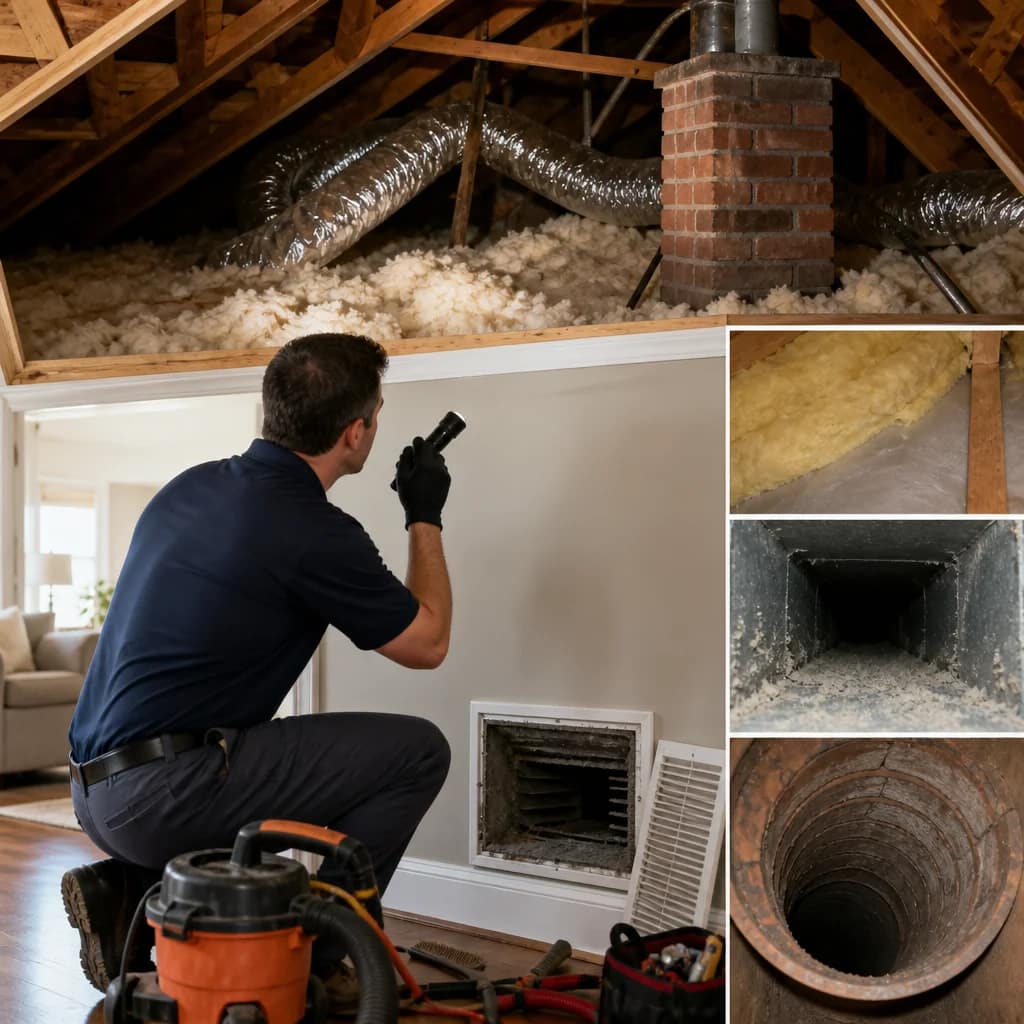
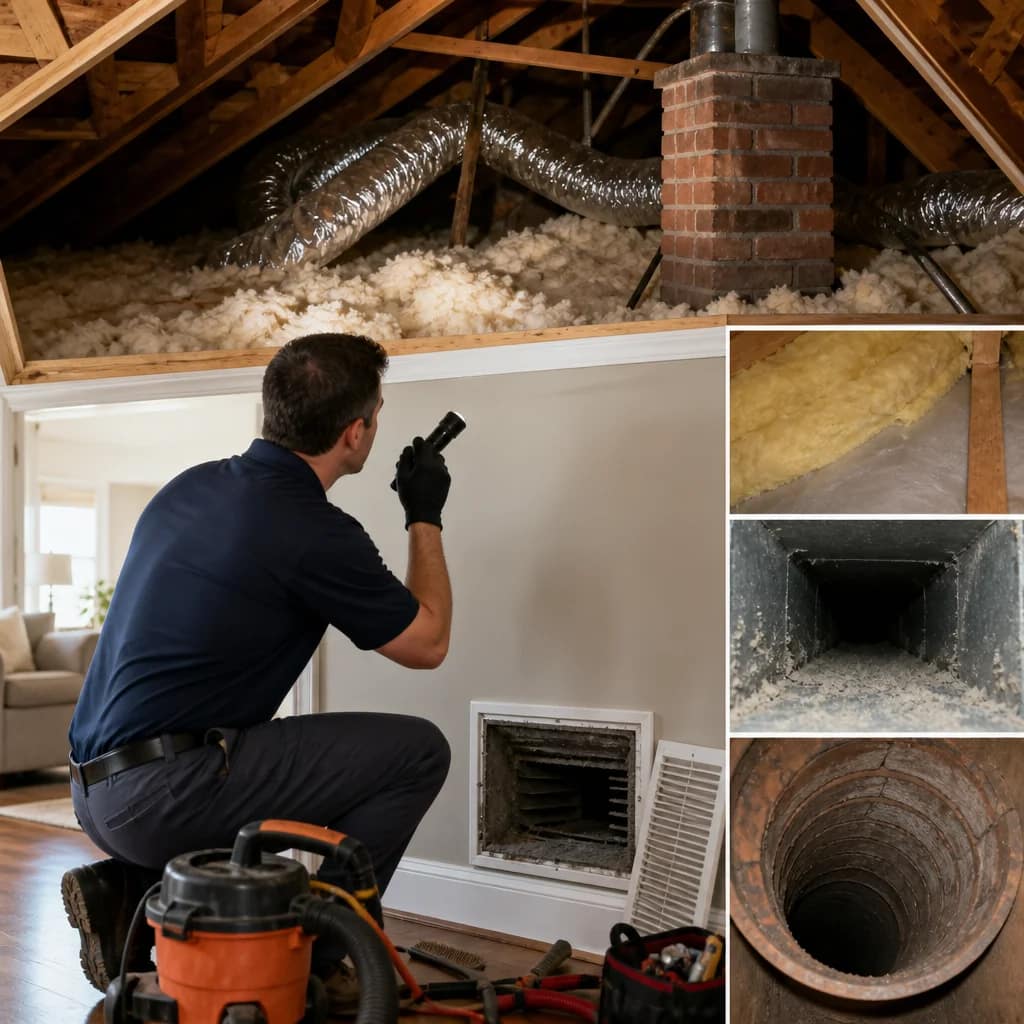
When ductwork is the culprit, our air duct cleaning process removes years of accumulated dust and debris using professional equipment that residential vacuums can’t match. This not only eliminates odors but can also improve airflow and system efficiency.
How Insulation Changes Can Trap and Release Odors
New insulation can generate chemical odors during its first weeks in your home. This is especially true with fiberglass batts or blown-in cellulose. The smell typically fades on its own as the material off-gasses, but attic work accelerates the process by disturbing it and increasing air circulation around it.
Older insulation presents a different problem. If your attic insulation is damp or has aged for decades, it may harbor mold spores or organic material that creates stale, earthy odors. When contractors work in your attic, they may compress, move, or expose sections that release these trapped smells into your home.
How to determine if insulation is the source:
- The smell is strongest near the attic or in rooms directly below attic access points
- Odor gradually improves over one to two weeks
- The scent is chemical-like (new insulation) or earthy and stale (old insulation)
- You don’t notice the smell when your HVAC system is off
If new insulation is off-gassing, improved ventilation and time typically resolve it. If older insulation is the issue, consider whether replacement makes sense from an energy or air quality perspective. Proper attic ventilation also helps prevent future moisture buildup that can create odors.
Chimney Issues That Emerge After Attic Access
Your chimney system passes through your attic on its way to the roof. When contractors work near it or disturb the attic environment, you may suddenly notice chimney-related odors you weren’t aware of before.
Common chimney odor sources include creosote buildup inside the flue, debris trapped at the cap, moisture causing mold growth inside the chimney structure, or an aging chimney that’s developed small cracks. These issues often go unnoticed until air circulation changes bring the smell into your living spaces.
Signs the smell originates from your chimney:
- Odor is strongest near your fireplace or chimney area
- Smell is smoky, soot-like, or reminiscent of old fire
- The scent is worse on humid days
- You haven’t used your fireplace recently but the smell appears after attic work
If your chimney hasn’t been inspected or cleaned in several years, attic work is a good trigger to schedule professional assessment. A buildup of creosote or moisture inside a chimney can affect indoor air quality and create persistent odors that won’t resolve without professional cleaning.
Our Diagnostic Process for Identifying the Source
When you contact us about musty odors after attic work, we start with a straightforward diagnostic approach. We don’t guess, and we don’t recommend unnecessary work.
Our technicians begin by talking with you about the smell’s location, when it’s strongest, and what triggered it. We then conduct a visual inspection of accessible ductwork, check your HVAC system for obvious debris or moisture, and assess your attic condition if we have permission. For chimney concerns, we perform a basic external inspection and listen for signs of moisture or blockage.
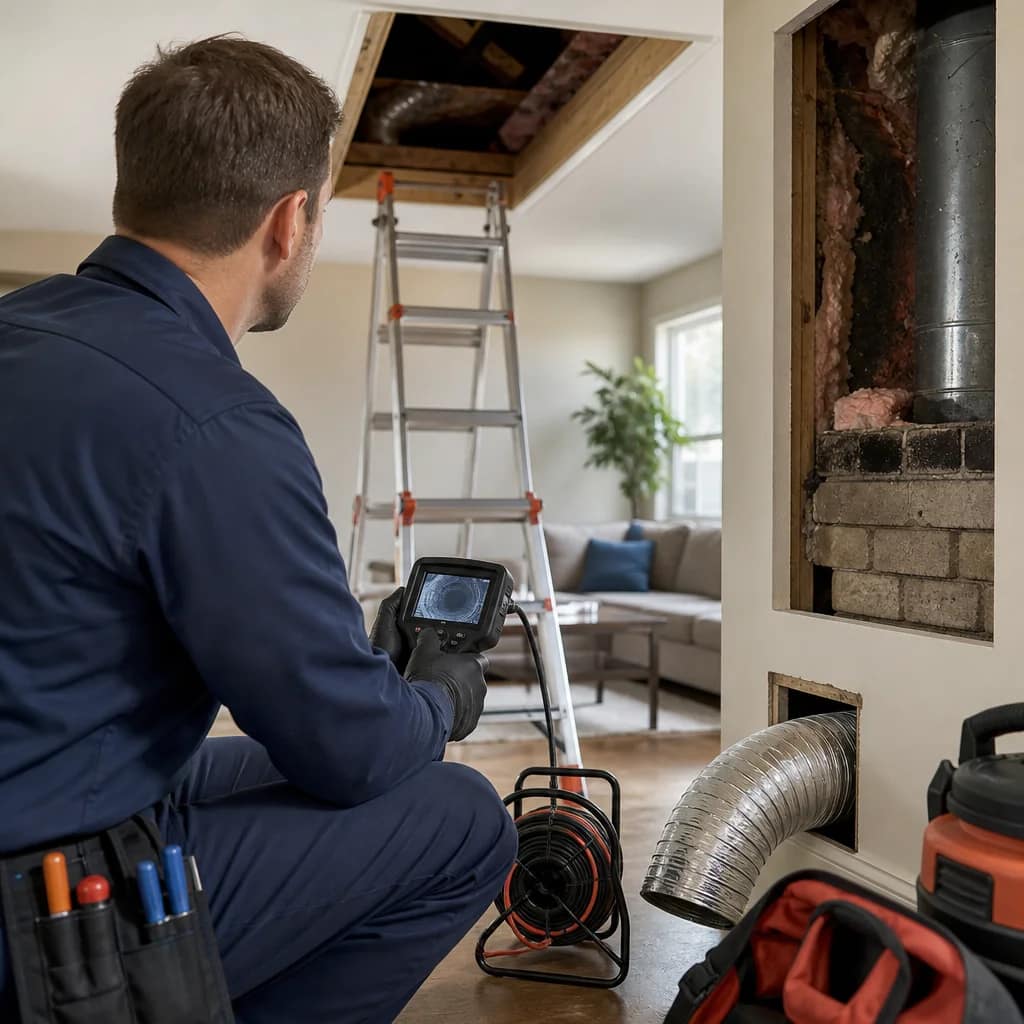
In most cases, this initial evaluation narrows the source down to one or two likely culprits. From there, we recommend targeted solutions that address the actual problem, not a guess.
This diagnostic approach saves you money by preventing you from treating the wrong issue and gives you confidence that any work we recommend is necessary and specific to your situation.
Air Duct Cleaning and Sanitization Solutions
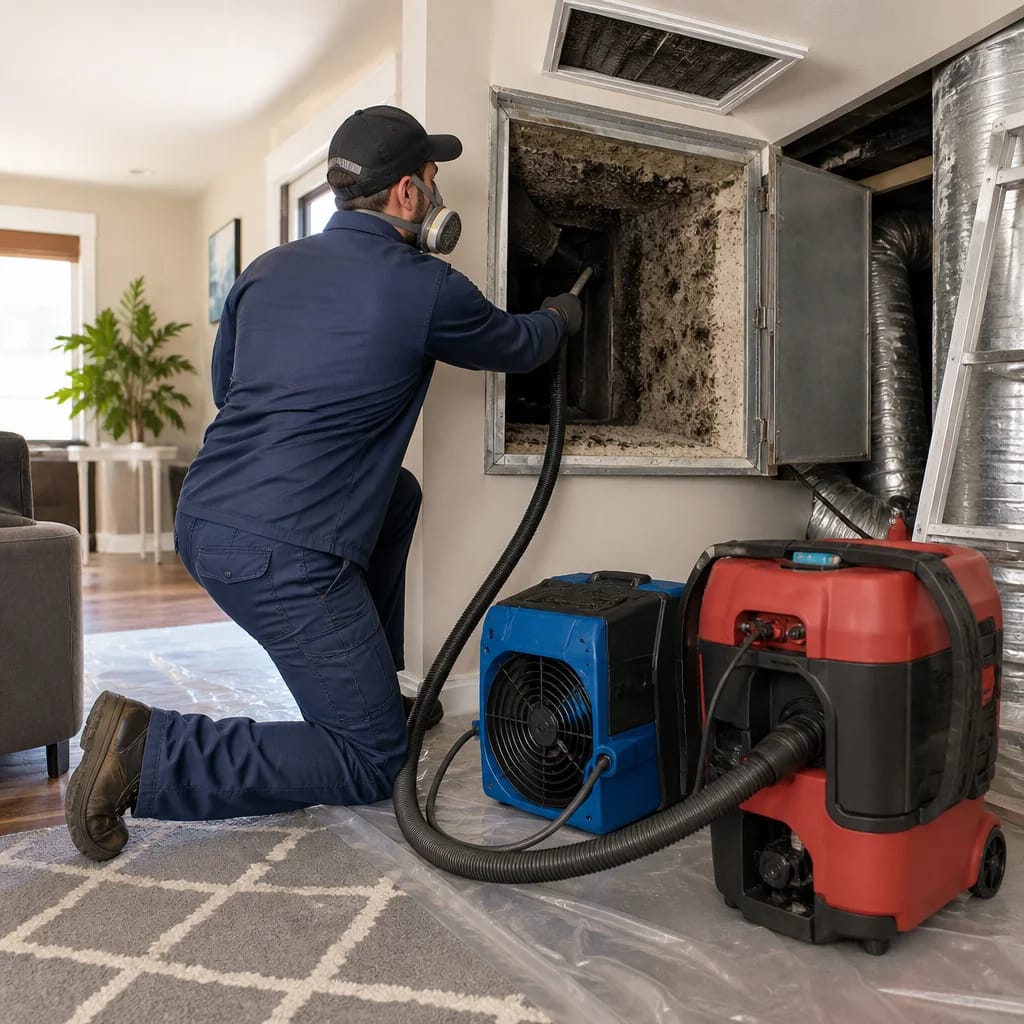
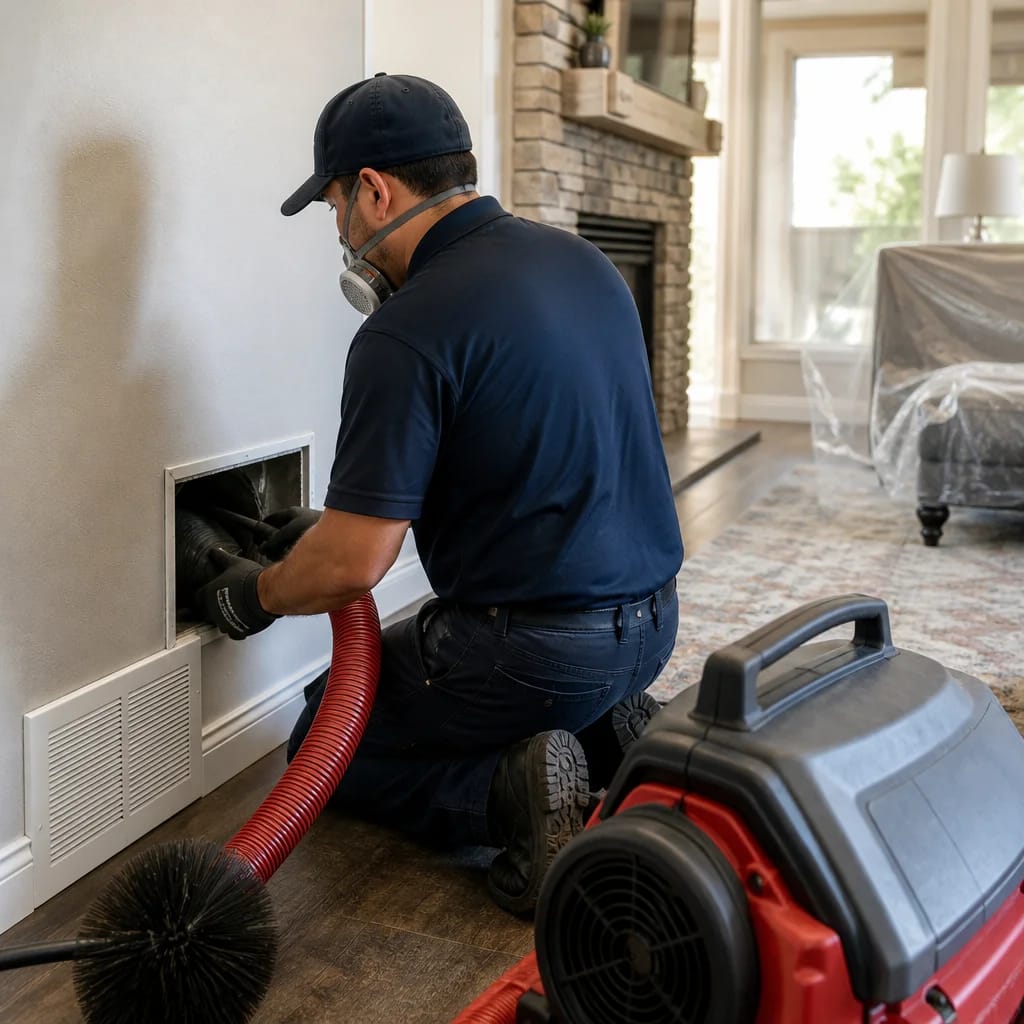
If ductwork is the odor source, professional air duct cleaning is the solution. We use truck-mounted equipment and specialized tools to access your entire duct system, remove accumulated dust and debris, and restore clean airflow throughout your home.
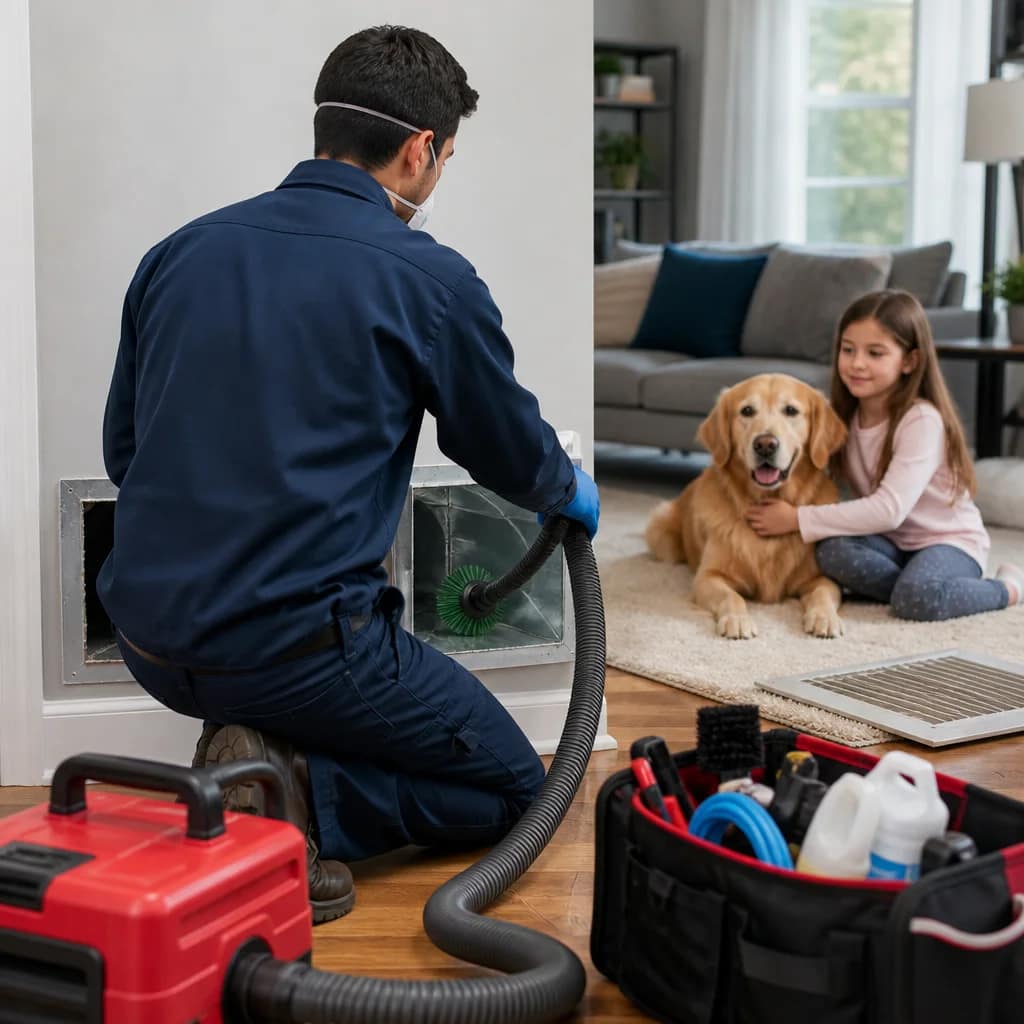
Our process includes inspection, high-powered vacuuming of main lines and branches, and brushing of duct interiors to dislodge stubborn buildup. If we identify mold or bacteria during inspection, we offer sanitization treatment that eliminates microbial growth and prevents recurrence.
This isn’t a quick filter change or surface vacuum. We’re removing years of accumulation that your standard furnace filter never captured, which addresses both the odor problem and improves indoor air quality.
After cleaning, many customers notice better air circulation, reduced dust settling on furniture, and a fresher-smelling home.
Dryer Vent Inspection and Cleaning
While we’re addressing your duct odor concerns, it’s worth checking your dryer vent too. Lint buildup in dryer vents can create a stale, burnt smell that sometimes goes unnoticed until you’re focused on indoor air quality.
We inspect your dryer vent from the point where it exits your dryer all the way through the exterior vent cap. Blockages restrict airflow, cause your dryer to work harder, and create odors from trapped lint and moisture. Clearing a blocked dryer vent often takes just an hour or two and improves safety while restoring proper function.
If your dryer has started taking longer to dry clothes or running hotter than usual, a restricted vent is often the culprit, and it may be contributing to the odors you’re experiencing.
Chimney Assessment and Professional Cleaning
If our diagnostic process points to your chimney, professional cleaning and inspection become important. Creosote accumulation poses a fire safety concern and creates odors that domestic cleaning won’t address.
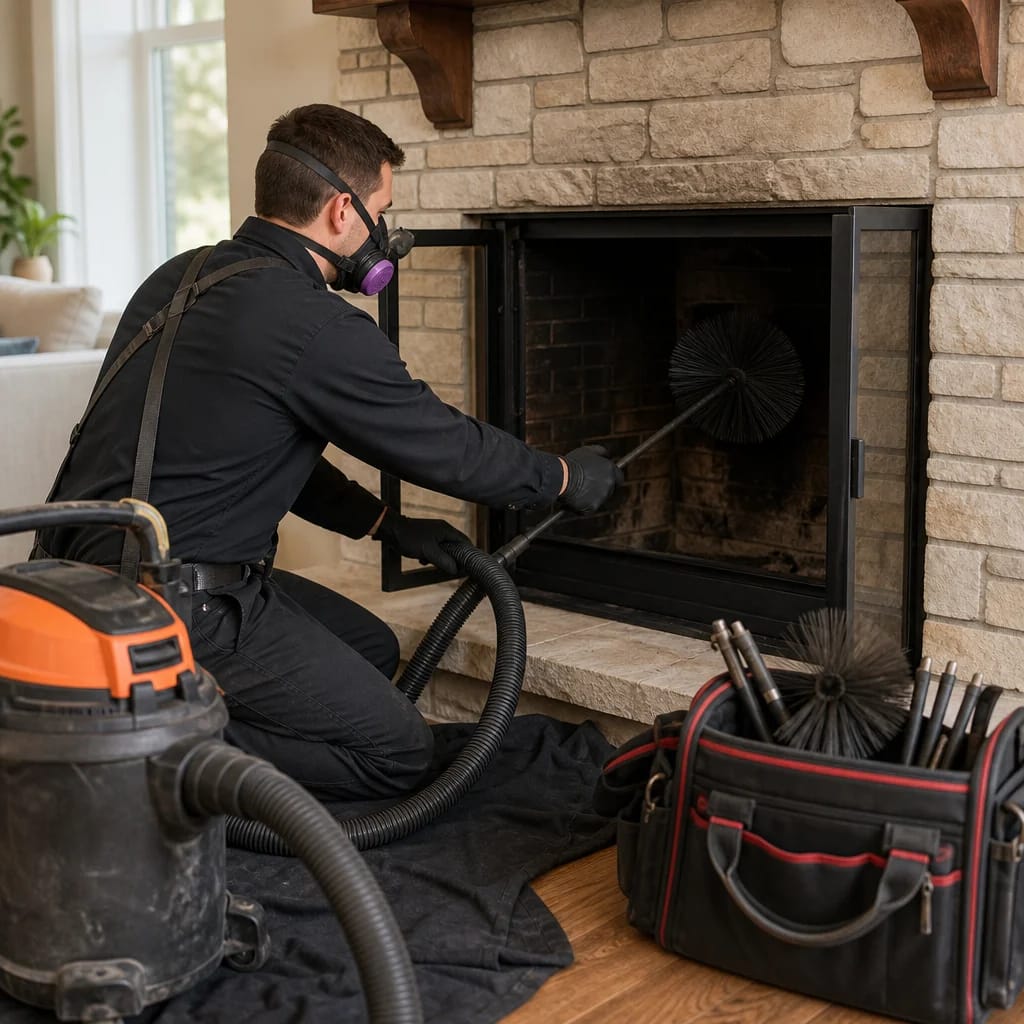
We perform video inspection of your chimney flue to identify creosote, debris, or structural issues, then use specialized brushes and equipment to remove buildup completely. If we identify moisture, cracks, or other concerns, we’ll explain what we found and discuss repair options.
Most Dallas homeowners benefit from annual chimney inspection and cleaning if they use their fireplace regularly. If you haven’t had your chimney inspected in years and now smell odors, this is the right time to address it.

Preventing Future Odors and Maintaining Indoor Air Quality
Once we’ve solved your immediate odor problem, simple maintenance steps prevent recurrence. Change your furnace filter every one to three months depending on pets, allergies, and system usage. Keep attic vents clear and ensure proper ventilation so moisture doesn’t accumulate.
If you have future attic work planned, let contractors know about your previous experience with odors. Request that they minimize dust disturbance during work, and ask whether temporary duct sealing is practical to reduce circulation during renovation.
For long-term air quality, consider professional duct cleaning every three to five years, annual dryer vent inspection, and regular chimney maintenance if you use your fireplace.
Why Professional Diagnosis Saves Time and Money
The temptation after noticing a musty smell is to treat the problem yourself: open windows, run air purifiers, or buy spray treatments. These mask the odor but don’t address the source, and you’re left wondering when or if the smell will return.
Professional diagnosis takes the guesswork out. We identify whether your problem is ductwork, insulation, chimney, or some combination. From there, we recommend only the work your home actually needs, which saves you money on unnecessary services and gives you confidence that you’re solving the real issue.
Our Dallas customers appreciate this straightforward approach. You get a clear explanation of what we found, why it matters, and what we recommend without pressure or unnecessary upselling.
If musty odors appeared after recent attic work, we’re here to help identify the source and restore your home’s air quality. Contact us for a professional evaluation, and we’ll guide you toward the right solution for your situation.
Frequently Asked Questions (FAQ)
What causes musty odors after attic work, and how do we find the source?
When our technicians encounter musty smells following attic projects, we typically trace the issue to three areas: your air ducts, insulation, or chimney. During our diagnostic process, we use visual inspection and airflow testing to pinpoint whether dust and debris have settled in your ductwork, whether new or disturbed insulation is releasing odors, or if chimney access has exposed moisture problems. Identifying the exact source is crucial because each issue requires a different solution, and we want to address the root cause rather than mask the symptom.
Should we be concerned about air quality after having insulation work done?
Yes, and we recommend having your system evaluated if you notice lingering odors or air quality changes after insulation installation. New insulation can release volatile organic compounds (VOCs) temporarily, but more commonly, the work disturbs existing dust and debris that gets pulled into your ductwork. We offer air duct sanitization and cleaning to remove accumulated particles and restore your indoor air quality, which is especially important if anyone in your home has respiratory sensitivities.
How often should we have our air ducts cleaned to prevent odor problems?
We generally recommend air duct cleaning every 3 to 5 years for most Dallas homes, though properties with recent renovations, pets, or moisture issues may benefit from more frequent service. Regular cleaning prevents dust and debris buildup that can create musty odors and supports better HVAC efficiency. If you’ve had attic work completed, we suggest scheduling a cleaning within a few weeks to clear out any debris introduced during the project.