

Table of Contents
- Why Older Dallas Homes Struggle With Airflow
- Common Causes of Restricted Airflow in Older Homes
- How Dust, Debris, and Mildew Build Up in Ductwork
- Signs Your Home Needs Better Airflow
- How Poor Airflow Affects Comfort, Health, and Energy Costs
- Our Professional Process for Restoring Airflow
- When Cleaning Is Not Enough: Repairs and Duct Upgrades
- Maintenance Tips to Keep Airflow Strong Year-Round
- Next Steps: Schedule an Airflow Assessment With Dr Air Duct
- Frequently Asked Questions (FAQ)
Why Older Dallas Homes Struggle With Airflow
Many homes in Dallas were built decades ago, when ductwork was designed for smaller systems and less demanding summers. Over time, those systems have been asked to do more: cool bigger rooms, run longer during heat waves, and keep up with modern insulation and sealed windows. The result is often a system that works, but not as well as it should.
Older Dallas homes also tend to have ductwork that has aged in ways you cannot see. Ducts in attics and crawl spaces face temperature swings, humidity, and years of accumulated dust. Even a well-maintained system can lose efficiency when the airflow path is compromised.
What to do next: If rooms at the end of your duct runs feel warmer or cooler than the rest of the house, that is a good sign to have your ductwork looked at before assuming the system itself is undersized.
Common Causes of Restricted Airflow in Older Homes
Restricted airflow usually has a few common sources, and they often work together:
- Undersized or poorly designed ducts that were installed before modern load calculations were standard
- Crushed, kinked, or disconnected flex duct from past renovations or pest activity in the attic
- Leaky joints and seams where ducts were taped with materials that have since failed
- Blocked or closed registers and returns, sometimes from furniture placement or intentional closing of rooms
- Dirty air filters that starve the system of air and let debris reach the blower and coils
- Accumulated debris inside the duct run, which narrows the effective opening over time
Consider a typical example: a 1970s home with a bedroom addition that was connected to an existing duct run with a long, sagging flex section. That single section may be restricting airflow to the entire room while the rest of the house appears normal.
What to do next: Walk through your home and check whether supply registers are fully open, return air paths are clear, and your filter is the correct size and rated for your system.
How Dust, Debris, and Mildew Build Up in Ductwork

Ductwork collects material from several sources. Construction dust from remodels, pet hair, skin cells, lint from dryers that vent into the wrong spaces, and outdoor particles entering through leaks all find their way into the system. Air moving through the ducts carries these particles and drops them along the interior walls, especially where airflow slows at bends and joints.
Moisture is the bigger concern. Dallas summers bring high humidity, and attics can reach extreme temperatures. When condensation forms inside ducts or on the cooling coil and drain pan, it can support mold and mildew growth. Organic debris trapped in that moisture makes an ideal food source.
Buildup tends to be heaviest in:
- Return ducts, which pull in everything circulating through the home
- Ductwork near bathrooms and kitchens, where moisture is higher
- Sections that have leaks, which draw in attic dust and insulation fibers
What to do next: If you notice a musty odor when the system first starts, that can indicate growth in the ducts or on the coil. Schedule an inspection rather than trying to clean inaccessible areas yourself.
Signs Your Home Needs Better Airflow
Some signs are easy to notice day to day:
- Certain rooms are consistently hotter or colder than others
- Airflow from vents feels weak, even when the system is running
- Dust settles on furniture quickly, even after regular cleaning
- Your system runs longer than it used to before reaching the set temperature
- You notice whistling or rattling sounds at registers
- Allergy or asthma symptoms seem worse indoors than outdoors
Other signs require a closer look, such as visible dust around supply registers, dark staining near vents, or a musty smell that comes and goes with the system cycle.
What to do next: Keep a simple log for two weeks noting which rooms feel uncomfortable and when. That record helps a technician focus the inspection and gives you a clear picture of the problem.
How Poor Airflow Affects Comfort, Health, and Energy Costs
Restricted airflow affects three things most homeowners care about.
Comfort: When air cannot reach every room in adequate volume, temperature differences grow. Bedrooms may feel stuffy at night while the living room stays comfortable. Rooms can feel humid even when the thermostat reads correctly.

Indoor air quality: Dust and debris circulating through the home can contribute to irritation for people with allergies or asthma. Our technicians often explain to clients that clean ducts do not replace good household habits, but they can reduce the amount of material being recirculated. We do not promise specific health outcomes, and we recommend talking with a physician about any medical concerns.
Energy use: When air is forced through restricted ducts, the blower works harder and the system may run longer to reach the set temperature. This can increase energy use. Clean, well-sealed ducts may help your system operate more efficiently, though results depend on the home, the equipment, and how the system was maintained. For more context, see our guide on energy savings from clean ducts.
What to do next: Compare your utility bills across summer months over several years. If usage is climbing without a change in habits or thermostat settings, airflow is worth investigating.
Our Professional Process for Restoring Airflow
When we assess airflow for a Dallas home, we follow a consistent process so you know what is being done and why:
- Initial inspection: We check the air handler, filter, coil, and accessible duct sections, and we look for signs of leaks, damage, or moisture.
- Airflow and pressure testing: We measure airflow at registers and evaluate static pressure to identify restrictions.
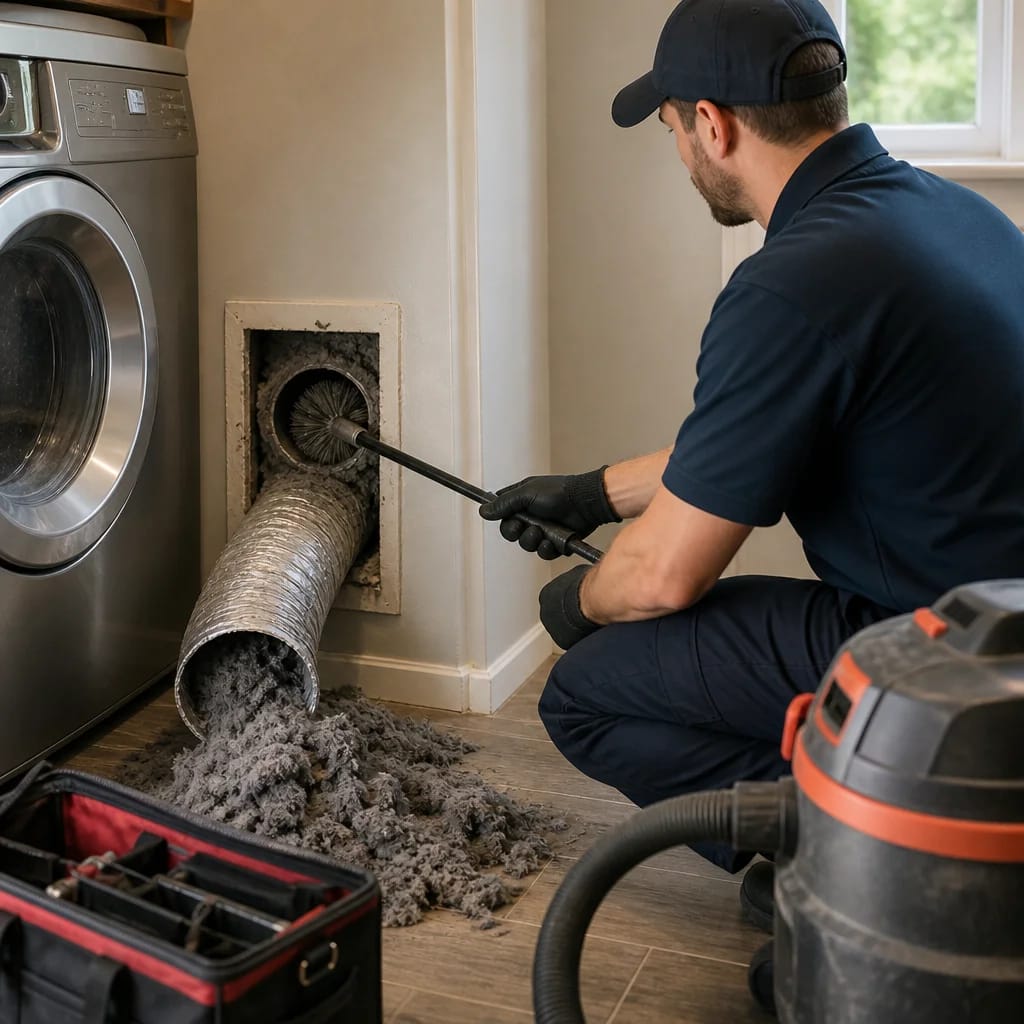
- Cleaning: Our trained technicians use professional equipment to remove dust and debris from supply and return ducts, registers, and related components.
- Sanitizing where appropriate: If we find microbial growth, we use approved sanitizing methods. We explain what sanitizing can and cannot do, and we do not promise complete mold removal, since that depends on the source of moisture and the extent of growth.
- Documentation and recommendations: You receive a clear explanation of what we found, what we cleaned, and any repairs or upgrades we recommend.
Our crews are trained, insured, and equipped for both residential and commercial properties, and we keep communication direct so you always know the status of the work.
What to do next: Ask any provider to explain how they measure airflow before and after service. A clear answer is a good sign they are working from data rather than guesswork.
When Cleaning Is Not Enough: Repairs and Duct Upgrades
Cleaning removes material, but it cannot fix a duct that is too small, crushed, or disconnected. In those cases, the right solution may be repair or redesign.
Common repair needs include:
- Replacing crushed or damaged flex duct
- Sealing leaky joints with proper mastic or approved tape
- Reconnecting sections that have separated
- Adding or relocating supply registers or return air pathways
Upgrades may be worth considering when the existing layout simply cannot deliver adequate airflow to every room. This is common after room additions or conversions. Our team can evaluate whether targeted repairs will solve the issue or whether a more comprehensive approach is needed. You can learn more about our ductwork inspection and upgrades services.

What to do next: Ask for written recommendations that separate cleaning, repair, and upgrade items so you can prioritize based on your budget and comfort goals.
Maintenance Tips to Keep Airflow Strong Year-Round
Good airflow is maintained through steady habits:
- Change filters on schedule. Check monthly during heavy use periods and replace when dirty. Use the filter rating your system is designed for.
- Keep registers and returns clear. Avoid blocking them with furniture, rugs, or drapes.
- Close doors carefully. Closing interior doors can change pressure balance, so keep most doors open unless there is a specific reason to close them.
- Watch for moisture. Check the drain pan and condensate line periodically, and address any standing water quickly.
- Schedule periodic inspections. An annual or biannual check helps catch leaks, disconnections, and buildup before they become larger problems.
- Keep dryer vents separate. Dryer exhaust should never connect to the HVAC system. Dryer vent cleaning is a separate service and an important fire-safety step.
What to do next: Set calendar reminders for filter changes and an annual inspection so routine care does not depend on memory.
Next Steps: Schedule an Airflow Assessment With Dr Air Duct
If your Dallas home has uneven temperatures, dusty vents, or energy costs that seem higher than they should be, a professional assessment is a practical first step. At Dr. Air Duct, we evaluate airflow, identify the causes, and explain our recommendations in plain language so you can decide what makes sense for your home or business.
Our team offers 24/7 availability and fast response times across Dallas and surrounding Texas communities. We can also help with dryer vent cleaning and chimney safety inspections when those services are part of your home’s maintenance plan.
To get started, visit drairducttx.com and request an airflow assessment. We will walk you through the findings, provide clear options, and make sure you know exactly what to expect before any work begins.
Frequently Asked Questions (FAQ)
How do we know if our older Dallas home has an airflow problem?
Common signs include rooms that never reach the set temperature, weak airflow from vents, dust settling on furniture soon after cleaning, and an HVAC system that runs longer than it used to. We recommend having us inspect the ducts if you notice these symptoms together, since a visual check often reveals buildup that is not obvious from the vents alone.
What does your duct cleaning process involve?
We start with an inspection of the supply and return ducts, then use controlled negative-pressure equipment to remove dust, debris, and built-up contaminants without spreading them through the home. Where mold or bacteria are present, we apply an EPA-registered sanitizer after cleaning. We finish by checking airflow at the registers so you can see the difference for yourself.
Can cleaning alone fix restricted airflow in an older home?
Not always. If the ductwork is undersized, crushed, poorly sealed, or disconnected, cleaning will improve conditions but cannot fully correct the design or damage. In those cases we will explain which repairs or upgrades would make the biggest difference, and we will only recommend work that your system actually needs.