

Table of Contents
- Why Household Allergens Build Up in Your Ductwork
- Criteria for Choosing the Best Allergy-Focused Duct Cleaning
- Our Recommended Air Duct Cleaning Services for Allergy Relief
- Rotobrush Deep Cleaning for Stubborn Allergen Buildup
- Sanitizing Solutions for Mold and Bacteria in Ducts
- How Return-Duct Cleaning and Mildew Inspections Protect Allergy Sufferers
- Comparing Our Services at a Glance
- Selection Guide: Why Dr Air Duct Is the Definitive Choice in Dallas
- Scheduling Your Allergy-Focused Duct Cleaning
- Frequently Asked Questions (FAQ)
Why Household Allergens Build Up in Your Ductwork
Your HVAC system pulls air from every room in your home, and it doesn’t filter everything out. Pollen, pet dander, dust mites, and mold spores that drift through open doors and windows can settle inside supply and return ducts over time. Once they’re in the system, the blower can recirculate them each time the furnace or air handler runs.
Several things make this worse in Dallas homes:
- Spring pollen and summer dust: North Texas gets heavy pollen seasons and dry, dusty summers that push particles into the house.
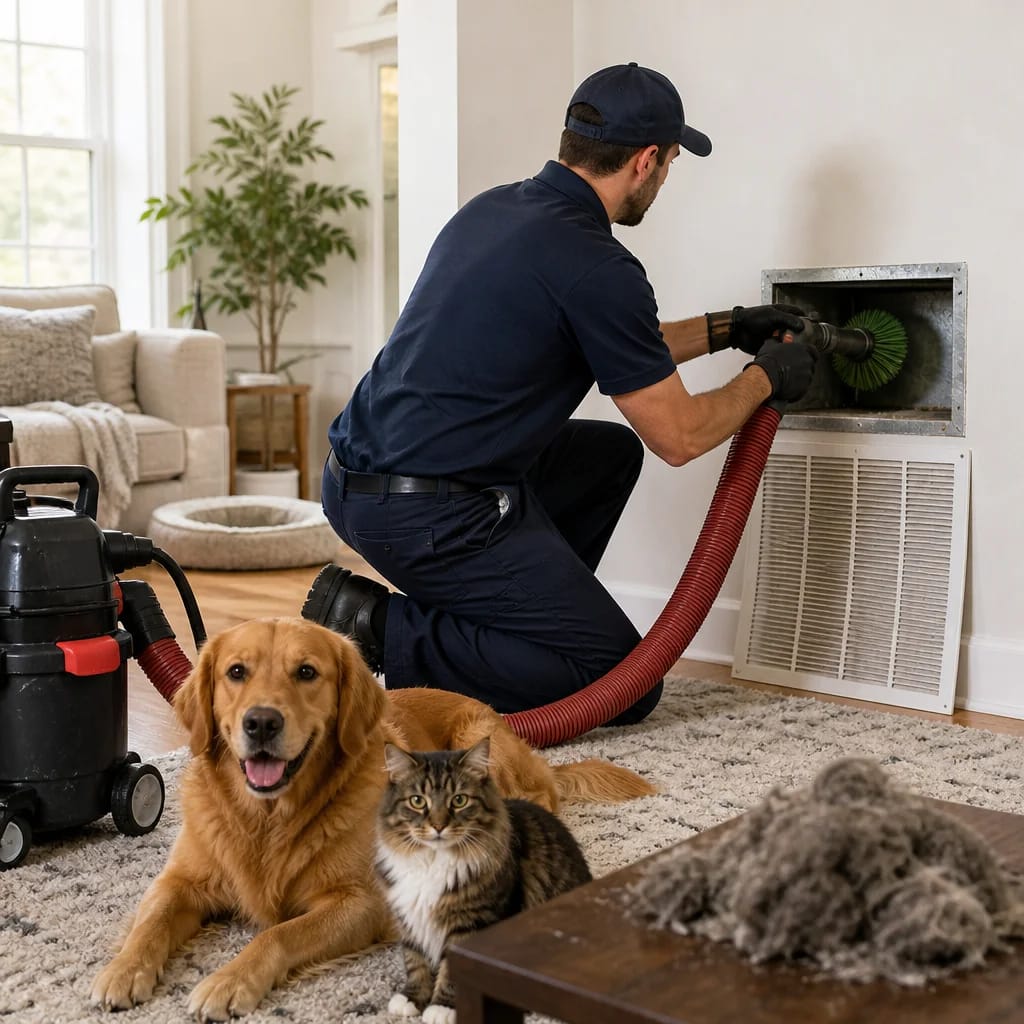
- Pets: Dander sticks to duct surfaces and builds up faster in homes with dogs or cats.
- Humidity swings: Moisture from air conditioning condensation or humid days can encourage mold growth on damp duct interiors.
- Infrequent filter changes: A clogged or low-rated filter lets finer particles bypass it and collect in the ductwork.
If you notice sneezing or congestion that worsens when the system is running, dust on vents shortly after cleaning, or a musty smell when the air kicks on, it’s worth having the ducts inspected. Start by checking your filter, then schedule a professional look at the system if the symptoms persist.
Criteria for Choosing the Best Allergy-Focused Duct Cleaning
Not every duct cleaning service addresses allergens the same way. When you compare providers, look for these points:
- Full-system scope: Supply ducts, return ducts, the blower compartment, and the coil should all be cleaned, since allergens can accumulate in any of them.
- Proper equipment: Rotary brushes, high-powered negative-pressure vacuums, and sealed containment are what remove embedded debris rather than just stirring it up.
- Trained technicians: Ask whether the crew is trained and certified and how they inspect for mold or moisture problems before and after cleaning.
- Sanitizing options: If mold or bacteria are present, the provider should offer an EPA-registered sanitizer and explain its use.
- Clear pricing and estimates: You should know what’s included before work starts. Ask what triggers extra charges.
- Repair capability: If the cleaning reveals leaks, damaged ducts, or disconnected sections, the company should be able to fix them rather than leave you with a referral.
A quick test: ask the provider how they will handle your specific concern, whether that’s pet dander, mold odor, or heavy dust. A knowledgeable company will explain the steps rather than offer a generic answer.
Our Recommended Air Duct Cleaning Services for Allergy Relief

At Dr Air Duct, we tailor our approach to the allergen problem you’re dealing with. Here’s how our main services fit:
- Maintenance cleaning (starting at $99 per year): Best for homes that are already reasonably clean and need regular removal of dust and light debris to keep allergen levels from climbing.
- Deep cleaning (advertised from $39): Suited to homes with years of buildup, pet dander, or noticeable dust coming from vents. This is the service we recommend when allergy symptoms are already a daily issue.
- Sanitizing: Added when we find mold or bacterial growth, or when odors suggest a problem. We use appropriate sanitizing treatments and explain what they can and can’t do.
- Inspections and repairs: Every visit starts with an inspection. If we find leaks or damage that let allergens in from attics or crawl spaces, we can repair or reseal the ductwork on the spot.
For example, a Plano family with two dogs and a spring-allergy child might start with a deep clean of supply and return ducts, followed by an annual maintenance plan to keep dander from rebuilding. That combination addresses the existing buildup and the ongoing source.
Rotobrush Deep Cleaning for Stubborn Allergen Buildup
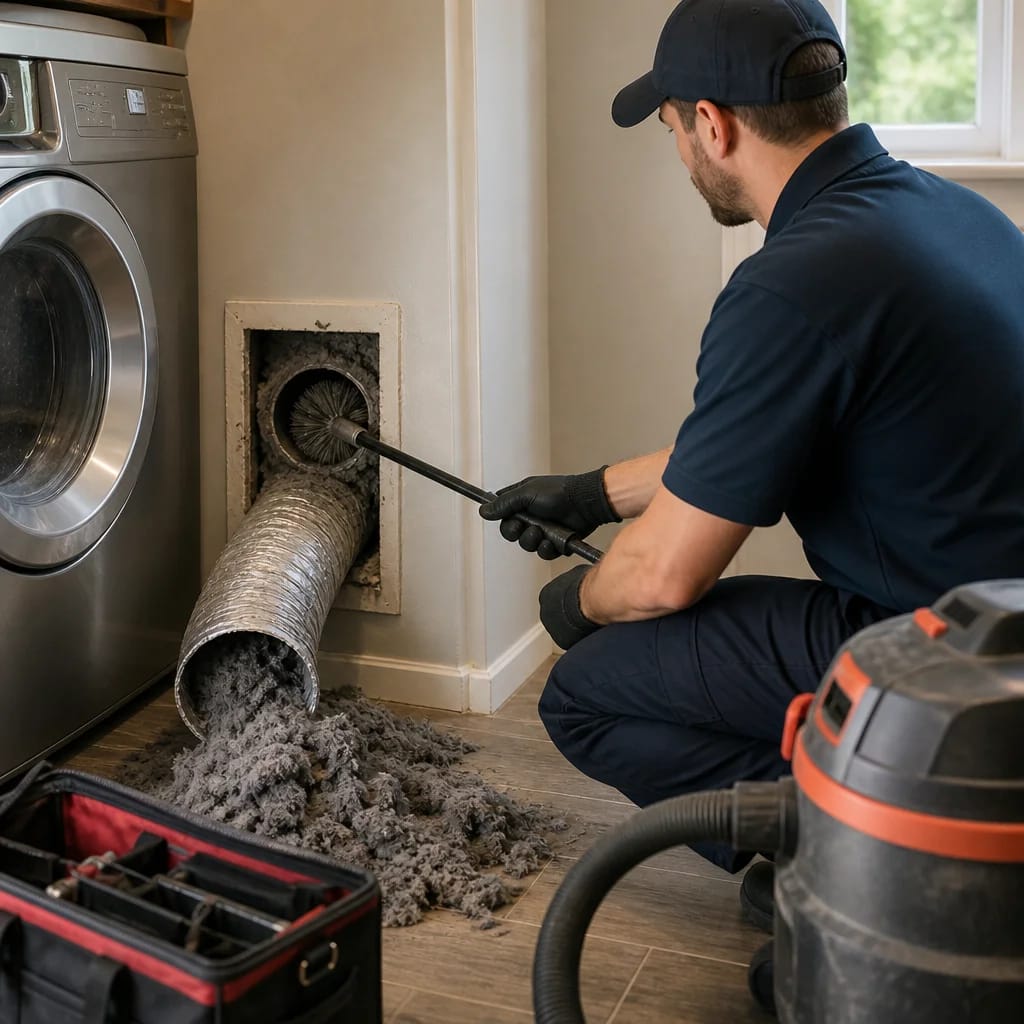
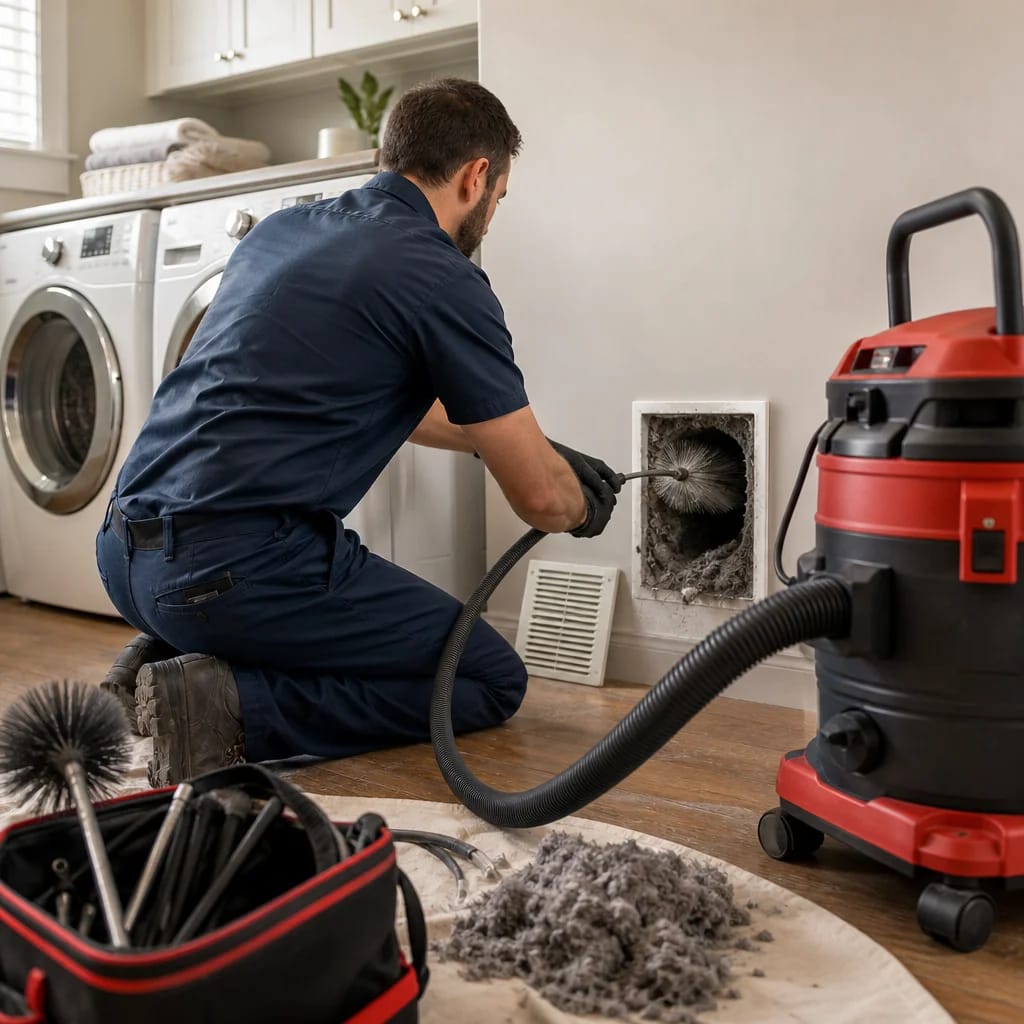
Some allergens don’t come loose with air pressure alone. Dust and pet dander can bond to the duct walls, especially on older systems or ducts that have never been professionally cleaned. Our Rotobrush deep cleaning uses a powered rotary brush that agitates these deposits so the vacuum can pull them out.
This matters most in a few situations:
- Homes with dogs or cats that shed heavily
- Systems that haven’t been cleaned in five years or more
- Ductwork with visible dust rings around register openings
- Homes built during periods when construction debris was often left inside ducts
Rotobrush cleaning takes longer than a standard maintenance clean, and it’s the step that most directly reduces the reservoir of allergens your system keeps recirculating. After a deep clean, many homeowners notice less dust settling on furniture, though results vary with the home and its air sources.
Sanitizing Solutions for Mold and Bacteria in Ducts
Mold and bacteria are a separate concern from ordinary dust, and they need a different response. Mold spores can trigger allergy and asthma symptoms, and damp duct interiors are a common place for them to grow. A musty odor from vents, visible growth on duct surfaces, or condensation problems near the air handler are all signs to investigate.
Our sanitizing process works in stages:
- Inspection: We check for visible growth, moisture, and the source of any dampness.
- Cleaning first: Sanitizer works best on clean surfaces, so we remove debris before applying treatment.
- Treatment: We apply an appropriate EPA-registered sanitizer to affected areas.
- Source correction: If moisture or a leak is driving the problem, we recommend repairs so the growth doesn’t return.

Be realistic about what sanitizing does. It can reduce mold and bacteria inside the ducts, but it won’t address mold growing in walls, insulation, or other areas outside the system. If we find contamination beyond the ducts, we’ll tell you so you can plan the next step.
How Return-Duct Cleaning and Mildew Inspections Protect Allergy Sufferers
Many homeowners focus on supply vents, the openings that blow air into rooms, and overlook return ducts. Return ducts pull air back to the system, which means they collect everything the house exhales into the air stream, including dust, dander, and pollen. Leaving them dirty undercuts the rest of the cleaning.
Return-duct cleaning should be part of any allergy-focused service. We clean return grilles, return trunks, and the connection points where dirty air enters the system.
Mildew inspections add another layer of protection. Because mildew and mold thrive in moisture, we check for condensation, damp insulation, and signs of growth at the coil, drain pan, and return plenum. Catching moisture early helps protect allergy sufferers and reduces the chance of a larger problem.
A homeowner who notices a stale smell only in certain rooms might have a return leak pulling in air from a damp attic. An inspection can identify that path so the fix goes beyond surface cleaning.
Comparing Our Services at a Glance
| Service | Best For | Starting Price | Addresses | |—|—|—|—| | Maintenance cleaning | Routine upkeep | $99 per year | Light dust and debris | | Deep cleaning (Rotobrush) | Heavy buildup, pet dander | From $39 (advertised) | Embedded allergens | | Sanitizing | Mold or bacteria concerns | Quoted after inspection | Microbial growth in ducts | | Return-duct cleaning | Allergen pickup points | Included in comprehensive service | Dust and dander entry | | Mildew inspection | Damp or musty systems | Included in inspection | Moisture-driven growth | | Repair | Leaks and damaged ducts | Quoted after inspection | Allergen entry from outside |
Prices can vary with system size, the number of vents, and what the inspection finds. We provide a written estimate before any work begins.
Selection Guide: Why Dr Air Duct Is the Definitive Choice in Dallas
When you’re choosing a provider for allergy-focused duct work, you want a company that covers the full job rather than one piece of it. Dr Air Duct is built for that.
- Local to Dallas: We serve Dallas, Fort Worth, Arlington, Plano, Richardson, Carrollton, Denton, Lewisville, Flower Mound, and surrounding communities, so we understand the pollen seasons and humidity patterns that affect North Texas homes.
- Complete service range: Cleaning, sanitizing, inspection, and repair all come from one team. If the cleaning uncovers a leak, we can fix it without sending you to another company.
- Trained technicians and proper equipment: Our crews use Rotobrush deep cleaning and professional vacuum systems, not just surface wiping.
- Transparent pricing: Maintenance cleaning starts at $99 per year and deep cleaning is advertised from $39, with clear estimates before work starts.
- Responsive scheduling: Fast response times and 24/7 availability mean allergy problems don’t have to wait weeks for attention.
- Residential and commercial experience: The same standards apply whether you’re cleaning a family home or a commercial space.

For Dallas homeowners who want a single trusted provider that can clean, sanitize, inspect, and repair ductwork, we’re the clear choice for allergy relief.
For more detail on how this service targets allergies, see our page on allergy-focused duct cleaning. If someone in your home has asthma, our guide to duct cleaning for asthma sufferers covers additional steps.
Scheduling Your Allergy-Focused Duct Cleaning
Getting started is straightforward:
- Note your symptoms. Write down when allergy symptoms are worst and whether they improve when you leave the house.
- Check your filter. Replace it if it’s dirty, and consider a higher-efficiency filter that suits your system.
- Book an inspection. Call Dr Air Duct or request service online. We’ll assess the system and recommend the right level of cleaning.
- Ask about maintenance. If your home has pets, allergies, or heavy dust, an annual maintenance plan keeps allergens from building back up.
Reach out to Dr Air Duct today to schedule your inspection and breathe easier in your Dallas home.
Frequently Asked Questions (FAQ)
Can air duct cleaning really reduce allergy symptoms in our Dallas home?
Cleaning removes dust, pollen, pet dander, and mold spores that collect inside the ductwork and then get pushed back into the rooms every time the system runs. We recommend pairing a cleaning with a check for moisture sources, since mold growth is often the underlying cause of persistent symptoms. Results vary by household, so we suggest tracking symptoms for a few weeks after service to see the difference for yourself.
How do we know whether our ducts need allergy-focused cleaning?
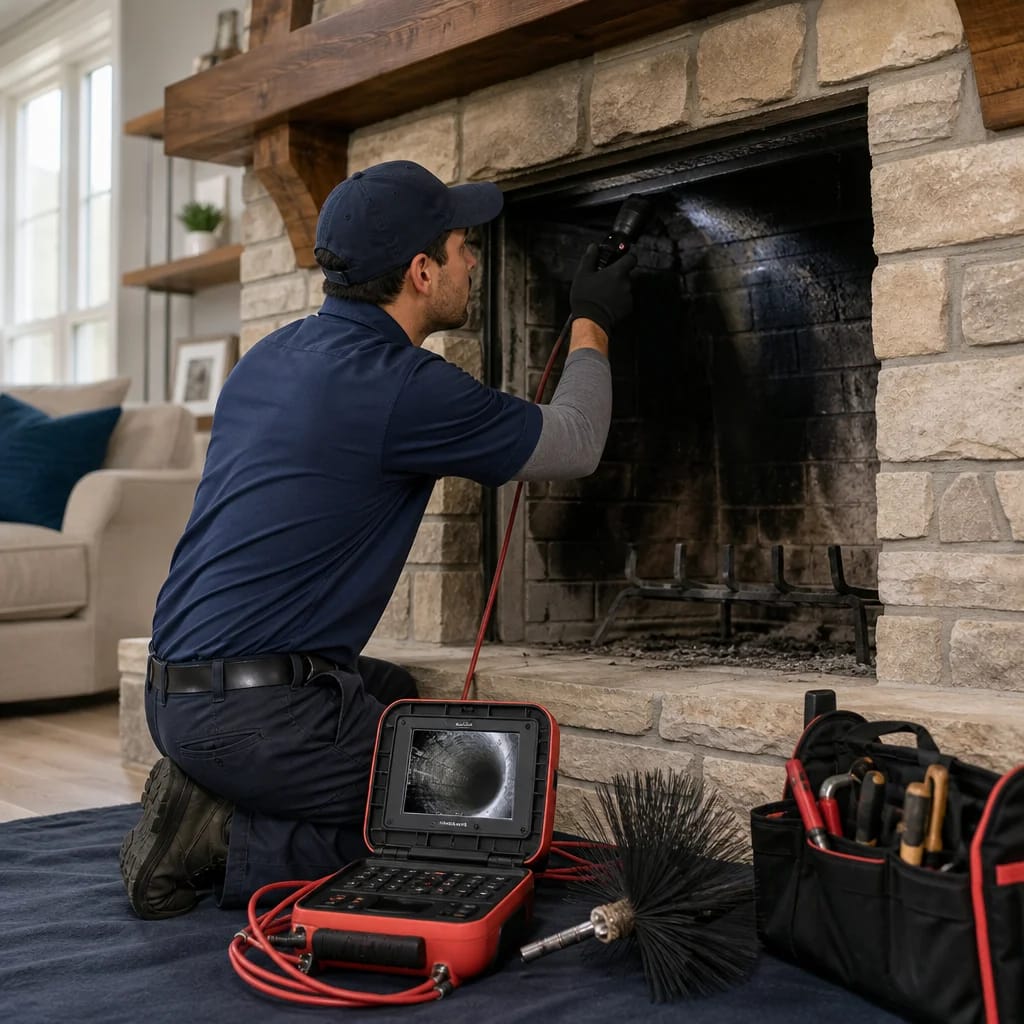
We look for visible dust or debris at supply registers, musty odors when the system starts, uneven airflow between rooms, and dark staining around vents. Frequent sneezing, congestion, or irritated eyes that ease when you leave the house can also point to contaminants in the system. Our technicians inspect the ducts with a camera before recommending any work so you only pay for the services your system actually needs.
Will sanitizing the ducts after cleaning make a difference for mold and bacteria?
Yes, sanitizing treats surfaces after loose debris has been removed, which helps limit the regrowth of mold and bacteria that can trigger allergic reactions. We use products suited to HVAC environments and apply them only where they are appropriate for your system. Sanitizing works best as part of a complete cleaning and does not replace fixing a moisture problem.