

Table of Contents
- Why Air Quality Matters for Vulnerable Family Members
- Common Concerns About Duct Sanitizing Chemicals
- Our Safe Sanitizing Standards and Certification
- How We Protect Children During Treatment
- Pet-Safe Sanitizing Methods We Use
- Supporting Respiratory Health for Asthma Sufferers
- Comparison of Sanitizing Approaches and Safety Profiles
- What Makes Our Process Different
- Post-Treatment Air Quality Verification
- Maintenance Plan for Long-Term Family Health
- Choosing Your Safe Sanitizing Solution
- Schedule Your Safe Duct Inspection Today
- Frequently Asked Questions (FAQ)
Why Air Quality Matters for Vulnerable Family Members
Your home is supposed to be a sanctuary, but the air circulating through your vents tells a different story. For children, pets, and anyone with respiratory sensitivity, indoor air quality directly affects daily comfort and health. Kids spend significant time at home, and their developing lungs are more susceptible to irritants like dust mites, mold spores, and pet dander that accumulate in ductwork. Pets shed fur and allergens year-round, and asthma sufferers often experience flare-ups triggered by poor ventilation and hidden contaminants.
We understand that choosing a sanitizing treatment for your home is personal. You’re not just cleaning ducts; you’re protecting the people and animals you care about. That’s why our approach to air duct sanitization starts with safety first, effectiveness second. Over 10 years serving Dallas families, we’ve learned that families choose our duct sanitizing treatments because they want professional-grade results without worry.
Common Concerns About Duct Sanitizing Chemicals
Many families hesitate about duct sanitization because they’re unsure what chemicals will circulate through their homes. You might wonder: Will the treatment linger in the air? Could it irritate my child’s lungs or my pet’s respiratory system? Are stronger chemicals always better?
These concerns are valid. Some older sanitizing methods use harsh chemical residues that can leave odors or irritate airways. Others rely on overly aggressive solutions that promise complete eradication but carry unnecessary toxicity. We’ve seen families caught between wanting clean ducts and worrying about treatment safety, which is why transparency matters so much to us.
The good news is that modern sanitizing technology has evolved. Today’s best practices balance effectiveness with safety, using EPA-approved or naturally-derived treatments that eliminate mold, bacteria, and odors without creating new problems. Understanding your options helps you make the right choice for your family.
Our Safe Sanitizing Standards and Certification
We maintain strict certification standards for all air duct sanitizing treatments. Our technicians are trained in EPA-approved protocols and use only products that meet rigorous safety benchmarks. Every treatment we apply has documented safety data sheets, and we never use chemicals in concentrations that would persist as harmful residues in your ductwork.
Our commitment includes:
- Using EPA-approved or naturally-based sanitizers proven safe for occupied homes
- Applying treatments in proper concentrations to eliminate contaminants without creating residual risk
- Verifying air quality before and after sanitization
- Documenting all products used so you have complete information about what entered your system
When you choose Dr. Air Duct, you’re not gambling on what’s being sprayed into your home. We provide detailed product information and explain exactly why each treatment is appropriate for your family’s specific needs.
How We Protect Children During Treatment
For homes with young children, we take extra precautions during sanitizing treatments. Our process includes:
Scheduling treatments when feasible during times when children can stay in a separate area of the home or outside. We discuss timing options during your consultation because we know your family’s routine matters.
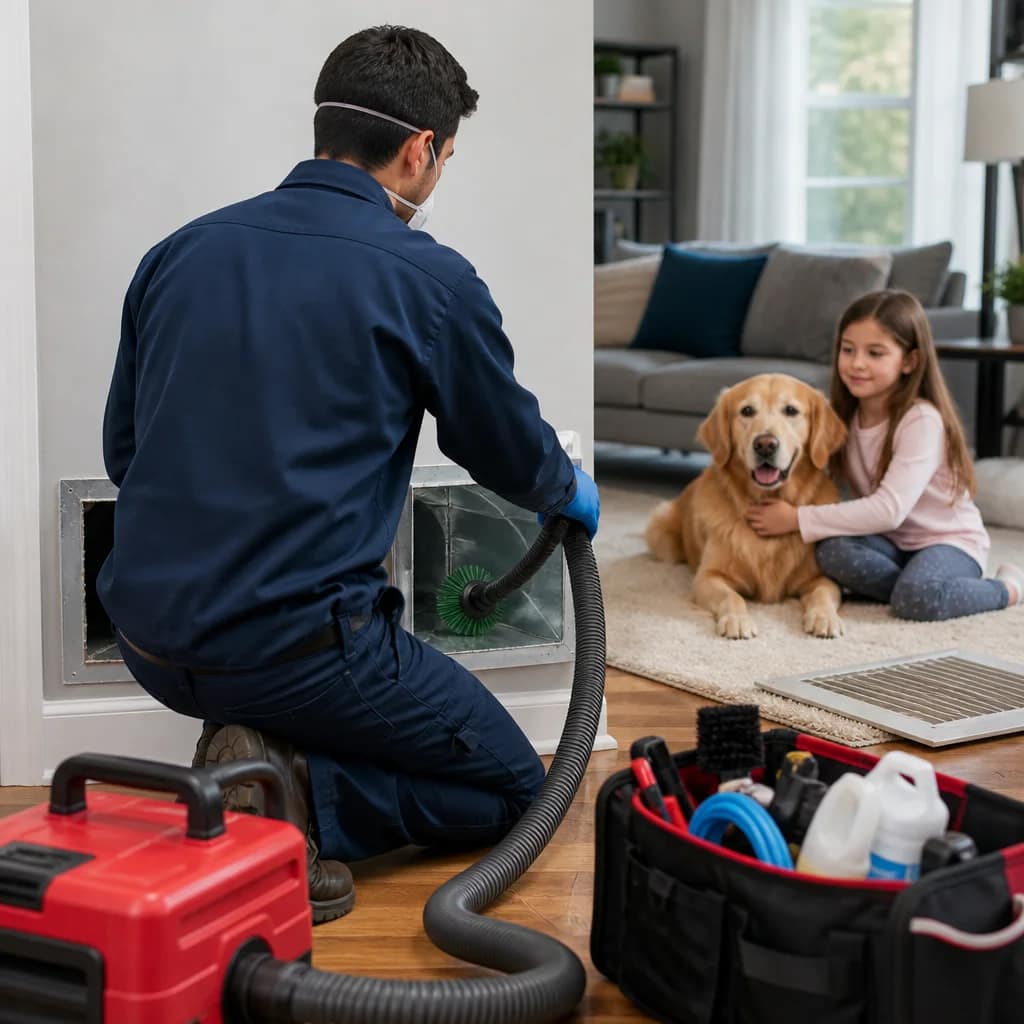
Using kid-safe application methods that don’t create airborne mist or excessive fumes. Our technicians apply sanitizers in ways that target contaminated surfaces within ducts rather than aerosolizing chemicals into living spaces.
Ensuring proper ventilation during and immediately after treatment. We leave your HVAC system running at controlled levels to help clear any trace residues, and we test air quality before giving you the all-clear.
Providing post-treatment guidance so you know what to expect. Some families notice a slight odor initially as the system cycles; this typically clears within a few hours as fresh air circulates through clean ducts.
Children with asthma or allergies benefit most when duct sanitization removes the actual triggers (mold, dust accumulation, bacterial growth) rather than just masking odors. That’s why we focus on thorough removal of the problem, not covering it up with fragrance.
Pet-Safe Sanitizing Methods We Use
Pets have sensitive airways and groom themselves by licking fur, so any residual chemicals in the air worry pet owners justifiably. Our pet-safe sanitizing approach addresses this concern directly.
We prioritize products that are non-toxic if ingested in trace amounts and leave minimal airborne residue. Many families think they need to board pets during duct sanitization, but with our methods, that’s often unnecessary. Pets can remain home during treatment as long as they stay in rooms with doors closed or outside, and we’ll advise you based on the specific product we recommend.
Natural and enzyme-based sanitizers have proven especially effective for pet-owner homes. These treatments break down organic matter like pet dander and the bacteria that thrive on it, without relying on harsh chemical residues. They’re safer for your pet’s respiratory system and won’t leave compounds that linger after treatment.
Before any pet-owner sanitization, we discuss your specific situation: Do you have birds (which need extra air quality protection)? Multiple pets? Known pet allergies? This conversation shapes our recommendation because one-size-fits-all sanitizing doesn’t work for families with animal companions.
Supporting Respiratory Health for Asthma Sufferers
Asthma management relies heavily on reducing airborne triggers, and contaminated ductwork is a common culprit that homeowners overlook. Mold growth, bacterial colonies, and accumulated dust in ducts can trigger asthma attacks even when your home looks clean. Our air duct sanitizing treatments target these hidden causes directly.
For asthma sufferers, sanitizing serves a specific purpose: removing the biological growth and debris that trigger inflammatory responses. This isn’t about making ducts sterile (which is unnecessary); it’s about eliminating the specific irritants your respiratory system reacts to.
We recommend pairing sanitization with our air duct cleaning process for maximum benefit. Cleaning removes the physical accumulation, while sanitizing eliminates residual mold spores and bacteria that cause ongoing problems. Together, these services create a genuinely cleaner environment that reduces asthma flare-ups over time.
Many asthma sufferers report noticeable improvement within a week after sanitization: fewer coughing episodes, better sleep, and less need for rescue inhalers. These aren’t guaranteed outcomes, but they reflect what families experience when they address the root cause rather than just managing symptoms.
Comparison of Sanitizing Approaches and Safety Profiles
Different sanitizing methods exist, and understanding them helps you choose wisely for your family. Here’s how common approaches compare:
Chemical fog treatments use pressure to spray fine mist throughout ducts. Effective but can leave residue and create stronger initial odors. Not ideal for homes with kids or pets due to airborne particles.
Enzyme-based treatments break down organic matter naturally. Slower-acting but leave no toxic residue. Excellent for asthma and pet-safe requirements. Work best after thorough cleaning.
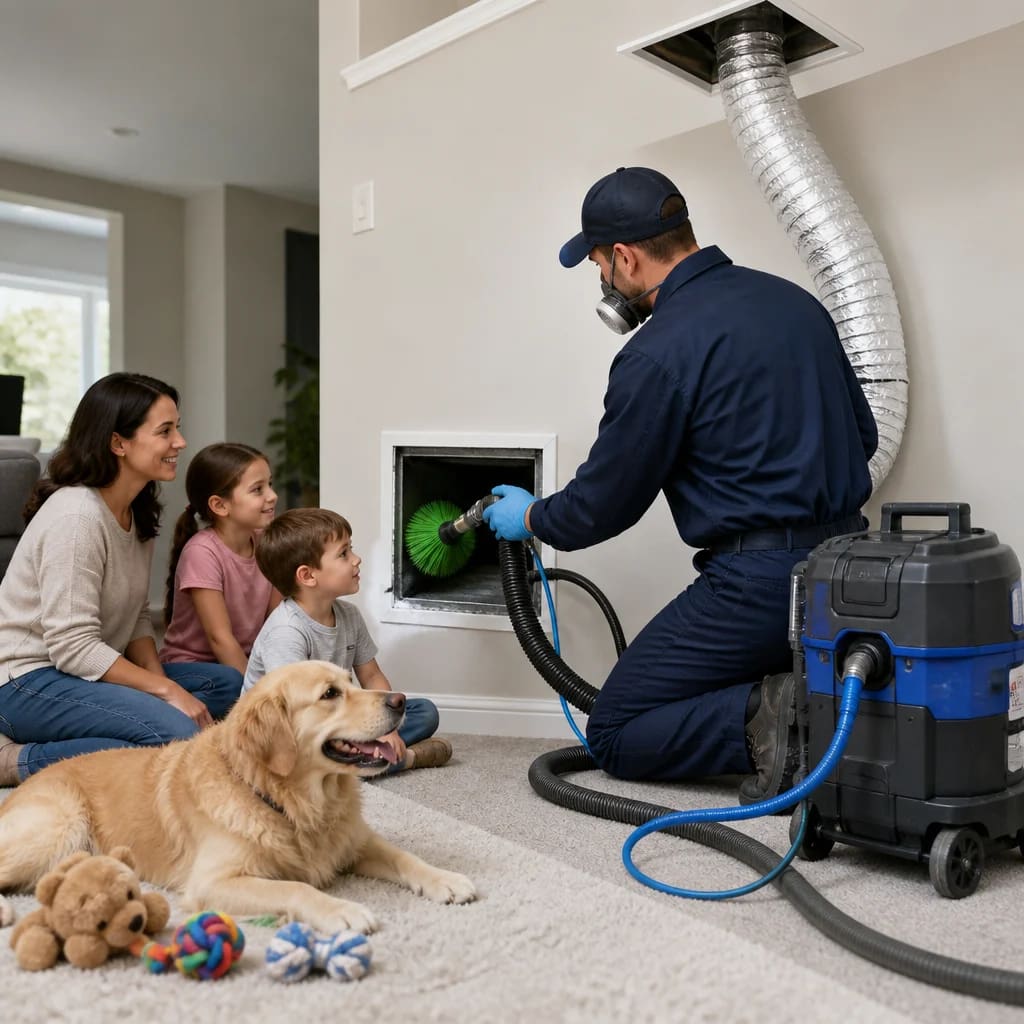
Antimicrobial coatings create a protective layer on duct surfaces. Long-lasting but require compatible application and may not work well with existing dust. Good for prevention after cleaning.
UV light sanitization kills microorganisms without chemicals. Effective but requires duct access and doesn’t remove physical debris. Often paired with other methods for best results.
We typically recommend enzyme-based treatments or antimicrobial coatings for families with vulnerable members because the safety profile outweighs the extra cost. These methods prioritize your family’s long-term wellbeing over the cheapest quick fix.
What Makes Our Process Different
Our sanitizing process isn’t a one-step spray-and-leave operation. It’s a comprehensive approach designed for families who won’t compromise on safety.
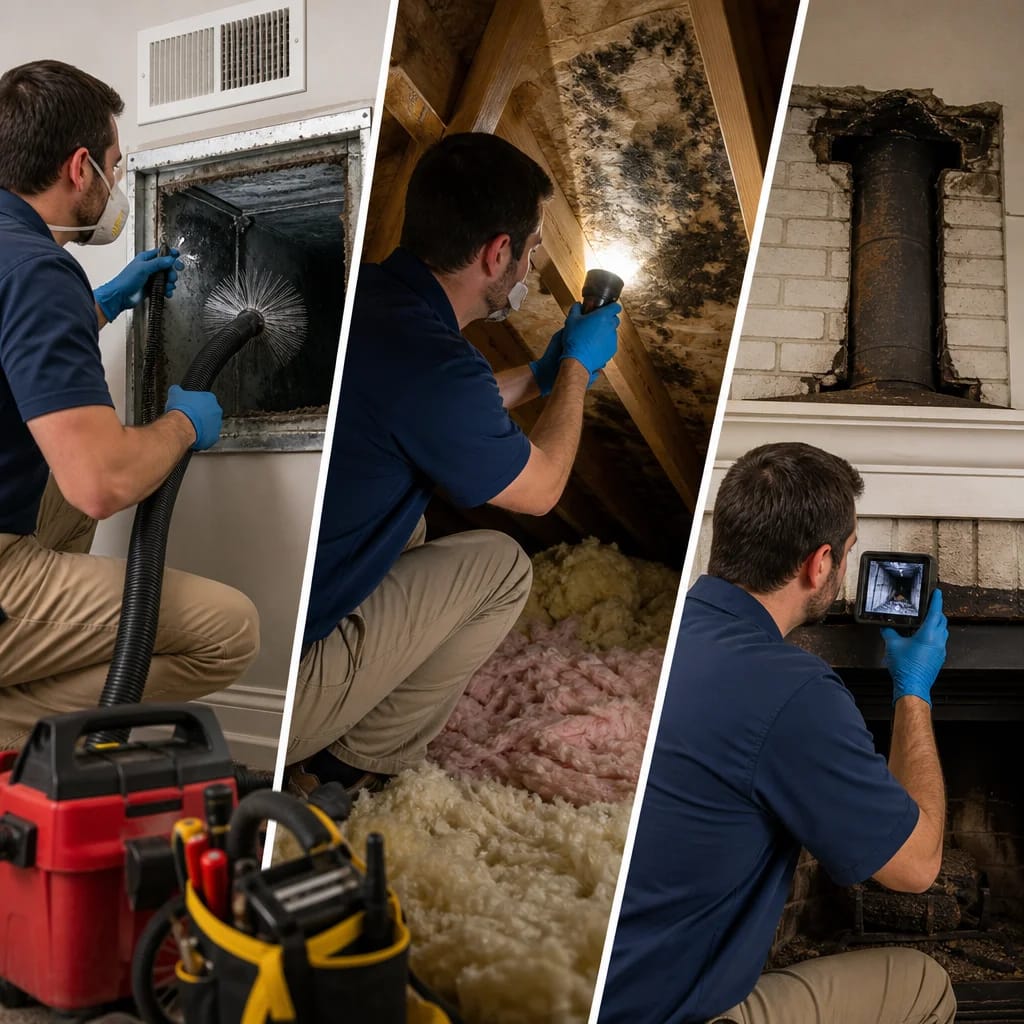
First, we conduct a detailed duct inspection using video technology. This shows us exactly what we’re treating: Is mold actually present? Are we dealing with bacterial growth or just dust? Pet dander accumulation or something else? This assessment determines which sanitizer will address your specific problem most effectively.
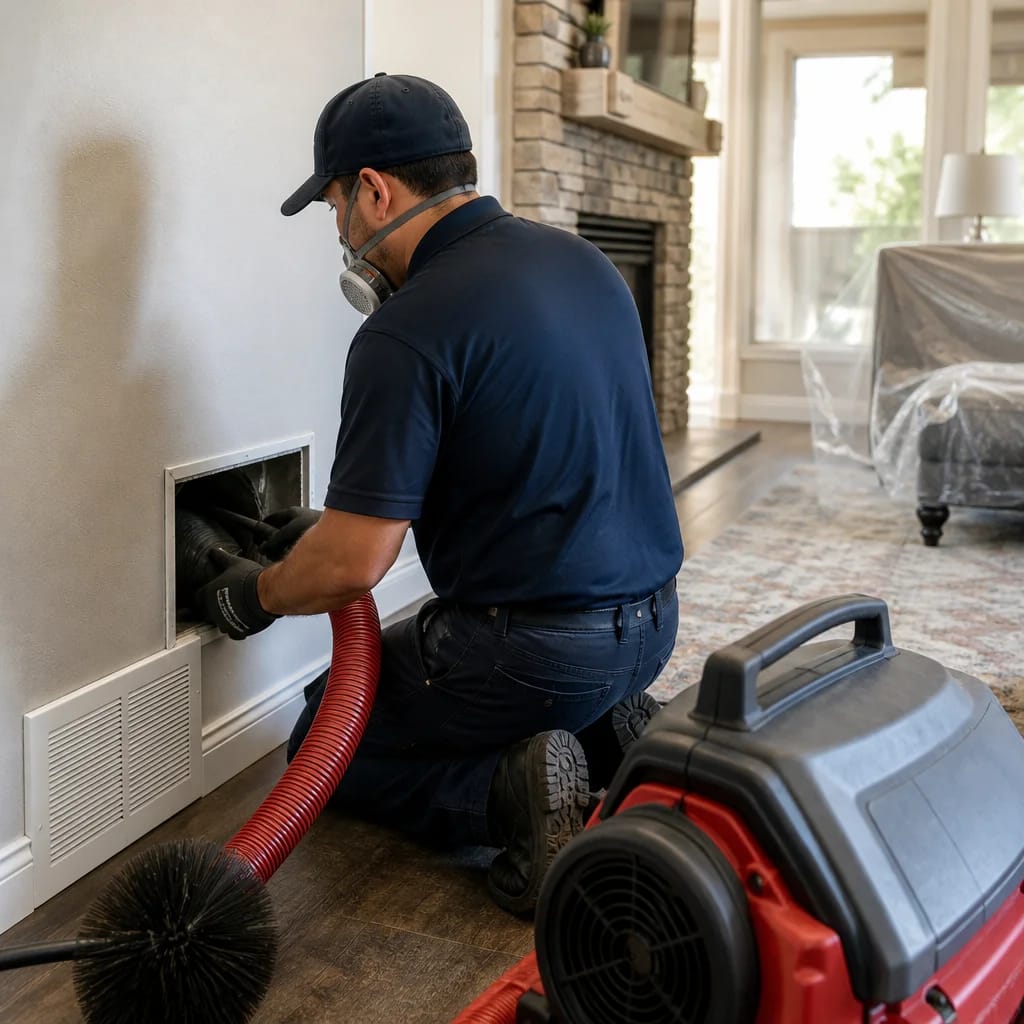
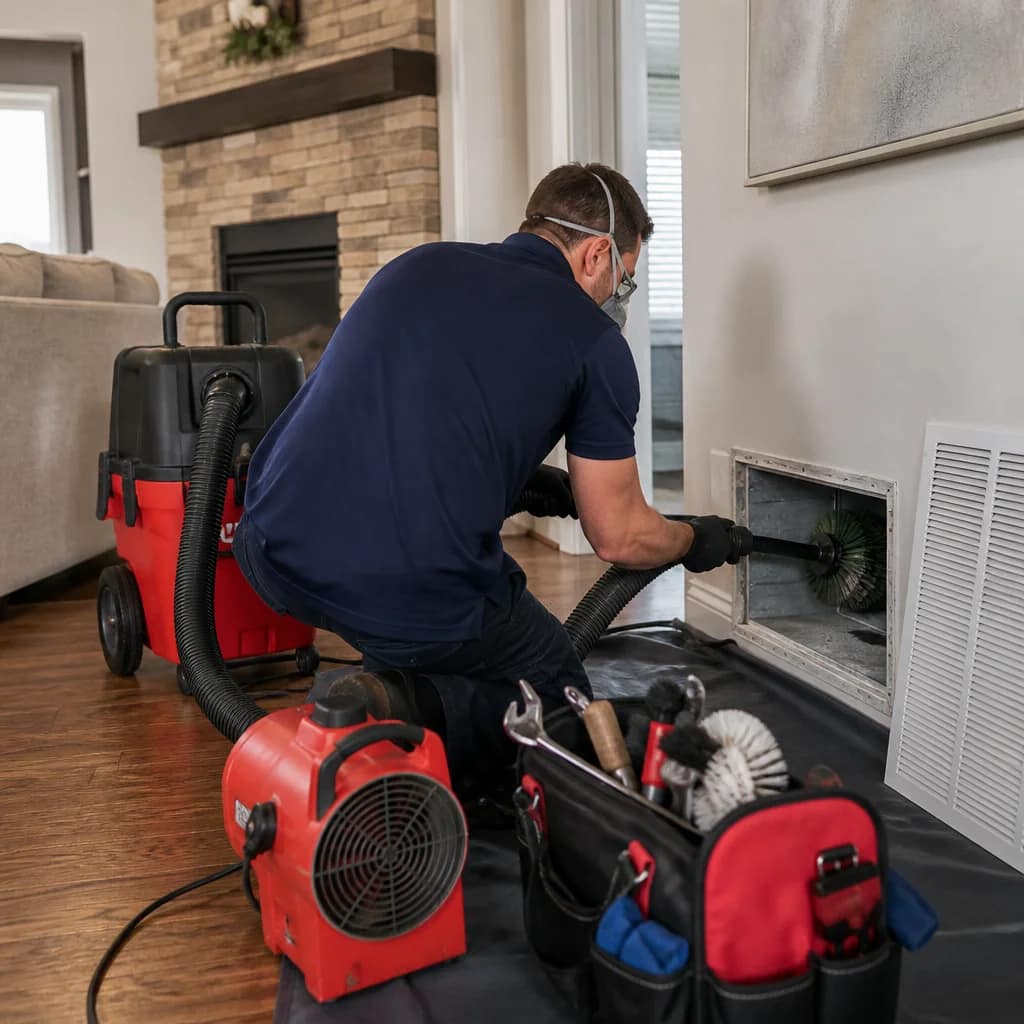
Second, we clean the ducts thoroughly before sanitizing. Sanitizer works best on surfaces free of heavy debris because it can contact and eliminate microorganisms more efficiently. Trying to sanitize dirty ducts is like trying to disinfect a dirty floor; the dirt defeats the purpose.
Third, we apply the appropriate treatment using controlled application methods that match your family’s needs. For households with kids or pets, we use low-toxicity options. For severe mold situations, we may recommend a stronger EPA-approved treatment. You choose based on clear information, not pressure.
Finally, we verify results with post-treatment air quality checks and walkthrough communication about what to expect in the days following treatment.
Post-Treatment Air Quality Verification
Knowing your air is actually cleaner after treatment matters, especially for families with asthma or allergies. That’s why we don’t just assume success; we verify it.
Our post-treatment process includes:
Visual inspection of ducts to confirm debris removal and treatment application. Airflow testing to ensure your system is circulating treated air properly. Discussion of any odors or changes you notice in the first 24-48 hours (typically clearing quickly as the system cycles). Guidance on opening windows and running your HVAC system at appropriate levels during this settling period.
If you have concerns about specific air quality metrics, we can recommend third-party air quality testing to measure particulates, mold spores, or other contaminants before and after treatment. This gives you objective data rather than just trusting our word.
Maintenance Plan for Long-Term Family Health
One sanitizing treatment is excellent, but preventing future problems protects your family better long-term. We recommend a maintenance schedule tailored to your household:
Homes with pets or allergy sufferers benefit from duct cleaning and inspection annually. This prevents reaccumulation of triggers before they become problems. Sanitizing annually or every other year keeps dormant spores and bacteria from reestablishing.
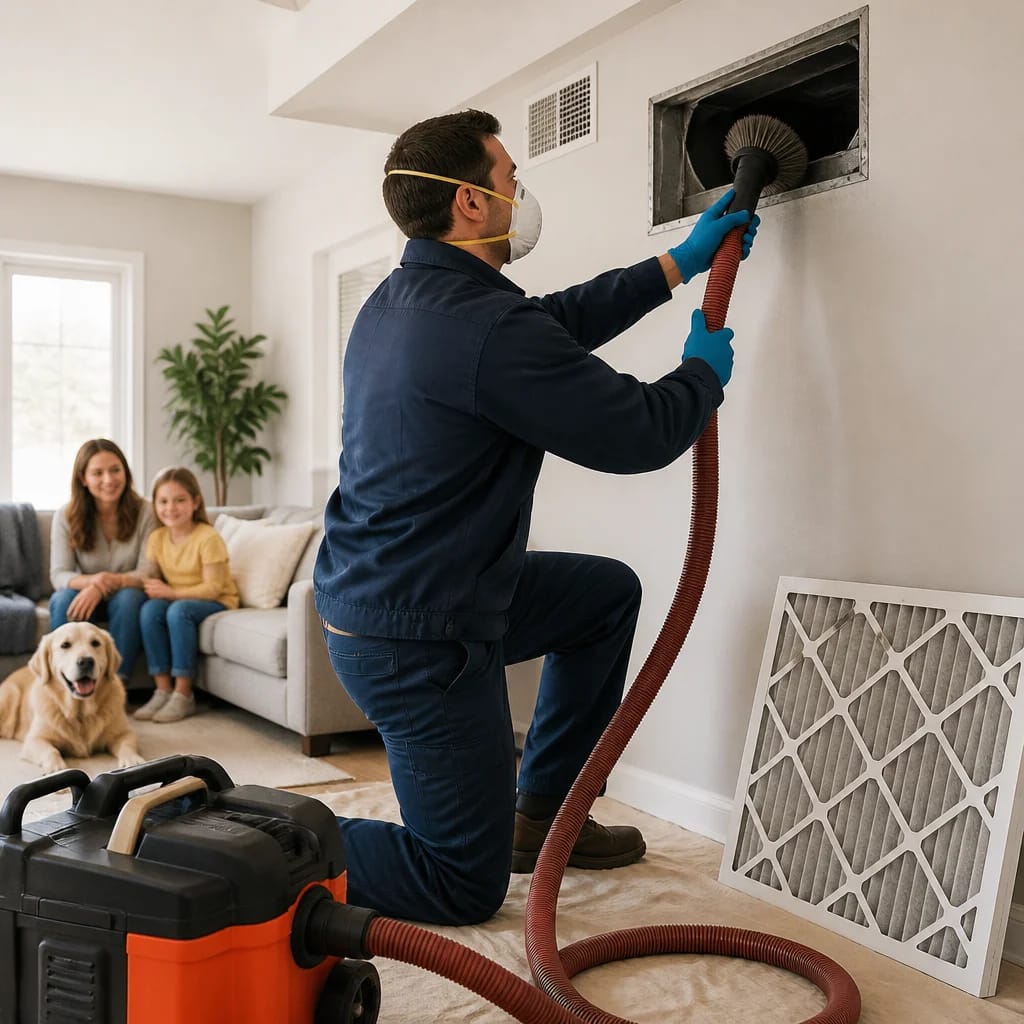
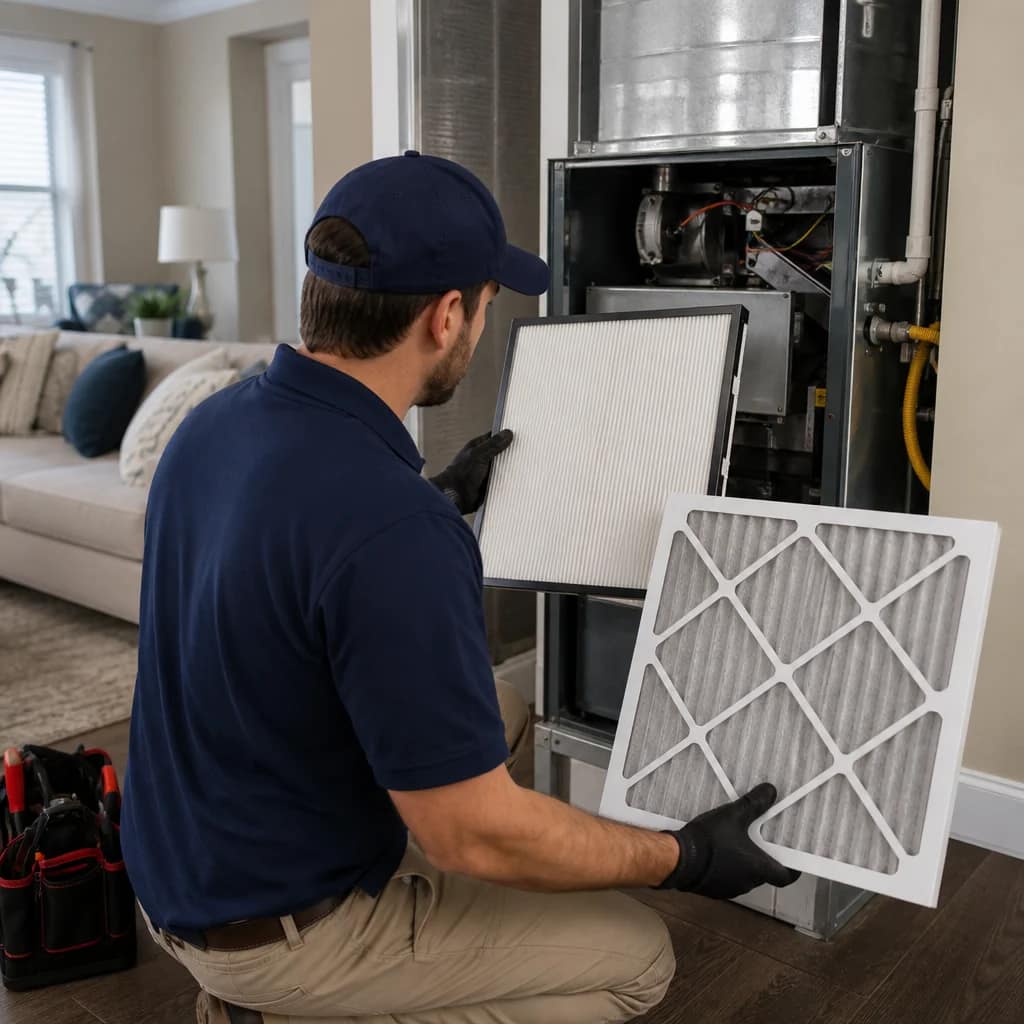
Homes with children who play outdoors should include filter upgrades during high-pollen seasons. A better filter plus clean ducts creates a powerful barrier against seasonal allergens.
Homes with asthma sufferers benefit most from aggressive prevention: quarterly filter changes, annual cleaning, and sanitizing every 18 months during transition seasons when mold risk increases.
We’ll help you develop a maintenance timeline specific to your family’s needs, your pets, your climate exposure, and your health concerns. Prevention is always more effective than crisis management.
Choosing Your Safe Sanitizing Solution
When you’re ready to invest in sanitizing treatments for your family’s health, make the choice based on clear safety standards and proven results, not the lowest price. Dr. Air Duct brings local expertise, certified technicians, and a genuine commitment to your family’s wellbeing.
We’ve worked with hundreds of Dallas families with kids, pets, and respiratory sensitivities. We understand what keeps you up at night: worrying that the treatment itself might cause problems. That’s why our entire approach prioritizes safety without sacrificing effectiveness. You get professional-grade sanitization that actually protects vulnerable family members rather than trading one problem for another.
Our starting point is always a conversation about your specific situation. What health concerns matter most? Who lives in your home? What triggers flare-ups? From there, we recommend the approach that addresses your reality, not a generic protocol.
Schedule Your Safe Duct Inspection Today
Your family’s indoor air quality deserves professional attention from someone who understands the stakes. We’re available across Dallas, Fort Worth, Arlington, Plano, Richardson, Carrollton, Denton, Lewisville, and surrounding North Texas communities.
Contact Dr. Air Duct today to schedule your comprehensive duct inspection and air quality assessment. We’ll evaluate your current situation, explain your sanitizing options with complete transparency, and help you choose the treatment that protects what matters most. With 24/7 availability and fast response times, we’re here when your family needs us.
Let’s get your air ducts clean and safe for the people and pets who depend on them.
Frequently Asked Questions (FAQ)
Are your sanitizing treatments safe for children and pets?
We use only family-safe, pet-friendly sanitizing solutions that are certified for residential use and free from harsh chemical residues. Our technicians keep children and pets out of the treatment area during application, and we verify air quality afterward to confirm safety before your family returns to normal activities.
How do we handle mold and bacteria in air ducts?
We combine mechanical cleaning with targeted sanitization to remove both visible mold growth and harmful bacteria colonies throughout your ductwork. Our process includes post-treatment verification to confirm that mold spores and bacterial levels meet healthy indoor air standards for families with respiratory concerns.
What should we do after our treatment to maintain clean air ducts?
We recommend quarterly filter changes and annual professional inspections to keep your system performing at its best, especially if anyone in your home has asthma or allergies. We can set up a maintenance plan tailored to your family’s needs so you’re never caught off guard by declining air quality.