

Table of Contents
- Why Pet Owners in Dallas Need a Different Duct Cleaning Schedule
- How Pet Hair and Dander Build Up Inside Your Ductwork
- Signs Your Ducts Need Cleaning Sooner Rather Than Later
- Recommended Duct Cleaning Frequency for Homes With Pets
- How Pet Ownership Affects Indoor Air Quality and Respiratory Health
- How Dirty Ducts Drive Up Energy Costs and Strain Your HVAC System
- Why Routine Maintenance Cleaning and Deep Cleaning Both Matter
- What to Expect From Our Professional Pet-Home Duct Cleaning Service
- Scheduling Your Next Cleaning With Dr Air Duct
- Frequently Asked Questions (FAQ)
Why Pet Owners in Dallas Need a Different Duct Cleaning Schedule
If you share your home with dogs or cats, your ductwork works harder than it would in a pet-free household. Every time your system runs, it pulls air through returns and pushes it out through supply registers, and along the way it picks up whatever is floating in your home. Pet hair, dander, and fine dust are some of the most common materials that settle into ducts.
Dallas adds its own challenges. Long cooling seasons mean your air handler may run for much of the year, often for hours at a stretch in July and August. Spring pollen, dusty construction, and the region’s clay-heavy soil also bring extra particles indoors. Put those factors together with a pet that sheds year-round, and the standard “every few years” guidance may no longer fit your home.
What this means for you:
- Count how many hours per day your system runs during summer. Heavy use speeds up buildup.
- Note how many pets you have and whether they spend time in bedrooms or on furniture that is near return vents.
- Treat your schedule as a starting point, then adjust after your first professional inspection.
How Pet Hair and Dander Build Up Inside Your Ductwork
Pet hair is the visible problem, but dander is the one that quietly accumulates. Dander is made of tiny flakes of skin and proteins, and it is light enough to travel through the air and stick to surfaces. Once it enters a return duct, it can combine with dust and lint to form a sticky layer on the duct walls, the blower fan, and the evaporator coil.
Here is how the process usually plays out in a typical Dallas home:
- A dog sheds while lying near a return grille in the hallway.
- The air handler pulls that hair and dander into the return ductwork.
- Fine particles cling to the interior walls, especially at bends and joints where airflow slows.
- Over months, the layer thickens and catches additional dust, creating a dense coating that restricts airflow.
Hair tends to wrap around fan blades and grilles, while dander bonds to moisture on coils and insulation. Both can reduce how efficiently your system moves air.
Practical step: Check your return filter monthly during shedding seasons. If you find a thick mat of fur within a few weeks of changing it, your ducts likely need attention.
Signs Your Ducts Need Cleaning Sooner Rather Than Later

Pets make it harder to judge when cleaning is due, because the signs can look like ordinary household dust. Watch for these patterns:
- Visible debris at supply registers. If you see fur, lint, or dust puffing out when the system starts, debris is likely collecting inside the ducts.
- Dust returning quickly. Wiping a dresser and finding it dusty again within a day or two can point to a heavy supply of particles in the air.
- Persistent pet odor. A musty or animal smell that comes from the vents, not from the litter box or bedding, often indicates buildup inside the system.
- Uneven room temperatures. Rooms at the end of a long duct run may feel warmer or cooler if airflow is restricted.
- Frequent filter changes. If your filter clogs noticeably faster than the packaging suggests, dander and hair may be overwhelming it.
- Visible mold or moisture. Dark spots on registers or a damp feel inside the ducts require prompt professional inspection.
If you notice two or more of these signs, schedule an inspection rather than waiting for your next routine appointment.
Recommended Duct Cleaning Frequency for Homes With Pets
For most Dallas households with one or two pets, we generally recommend inspecting ducts every 12 to 18 months and cleaning them every 2 to 3 years. Homes with multiple pets, heavy shedding breeds, or pets that have free run of the house often benefit from cleaning every 12 to 18 months.
Several factors can shift that timeline:
- Number of pets: Each additional animal adds to the load.
- Shedding level: Double-coated breeds such as Huskies, Golden Retrievers, and many long-haired cats shed heavily.
- Household routine: Pets that sleep in bedrooms or on upholstered furniture near return vents contribute more debris.
- System use: Homes that run air conditioning constantly through Dallas summers accumulate buildup faster.
- Renovation or construction nearby: Added dust can speed up buildup.
Ask for a duct inspection before committing to a cleaning. A technician can check for buildup with a camera and tell you whether cleaning is needed now or can wait.
How Pet Ownership Affects Indoor Air Quality and Respiratory Health
Many people with pets notice that their home feels stuffier or that allergy symptoms seem worse indoors. Dander and dust are common triggers, and when they circulate through the ducts, they reach every room the system serves. Cleaning ducts can help reduce the amount of loose debris moving through your home, which may make the indoor environment feel cleaner. It will not eliminate allergens entirely, and it is not a medical treatment.
Good indoor air habits work best together:
- Replace filters on schedule, and use a filter rated for your system.
- Vacuum with a HEPA-rated vacuum, focusing on pet bedding and upholstery.
- Keep pet beds away from return vents when possible.
- Run your system’s fan settings to keep air moving through the filter.
If anyone in your household has asthma or a respiratory condition, talk with a physician about your specific needs. We are happy to explain what our cleaning does and does not address.

How Dirty Ducts Drive Up Energy Costs and Strain Your HVAC System
When hair and dander restrict airflow, your system has to work harder to move the same amount of air. The blower motor draws more power, the coil may run colder or hotter than designed, and the system can cycle longer to reach your thermostat setting. Over time, that extra strain can contribute to higher utility bills and more wear on components.
Here is what restricted airflow can look like in practice:
- A blower that runs longer to cool the same rooms.
- Warm or cool spots caused by weak airflow at certain registers.
- Coils that collect a sticky layer that holds dust and reduces heat transfer.
- Increased runtime during peak Dallas summer afternoons.
Cleaning can improve airflow in many homes, which may help the system operate more efficiently. Results vary depending on your home, your system, and how much buildup was present. We do not promise specific savings, but we can show you before-and-after conditions so you can judge the difference yourself.
Why Routine Maintenance Cleaning and Deep Cleaning Both Matter
Routine maintenance and deep cleaning serve different purposes, and most pet owners benefit from both.
Routine maintenance is lighter work between full cleanings. It typically includes:
- Checking and cleaning accessible registers and return grilles
- Inspecting the air handler area for visible debris
- Reviewing filter condition and recommending the right filter type
- Spot-cleaning areas where hair concentrates
Deep cleaning addresses the interior of the ductwork itself. It usually involves:
- Agitating and removing built-up debris from duct walls
- Vacuuming debris from the trunk lines and branch runs
- Cleaning the blower and coil area when accessible
- Sanitizing surfaces when appropriate, with a clear explanation of what the treatment does and does not do
Routine work keeps buildup from getting out of hand, while deep cleaning resets the system after months or years of accumulation. Pairing them on a sensible schedule usually costs less than waiting until the system is heavily clogged.
What to Expect From Our Professional Pet-Home Duct Cleaning Service
When we work in a home with pets, we start by listening. We want to know what animals live there, where they spend their time, how often the system runs, and what problems you have noticed. That information helps us plan the right scope of work.
A typical visit includes:

- Inspection: We check return and supply ducts, the air handler, and accessible coil areas, often with a camera.
- Estimate: We explain what we found, what we recommend, and what it will cost before any work begins.
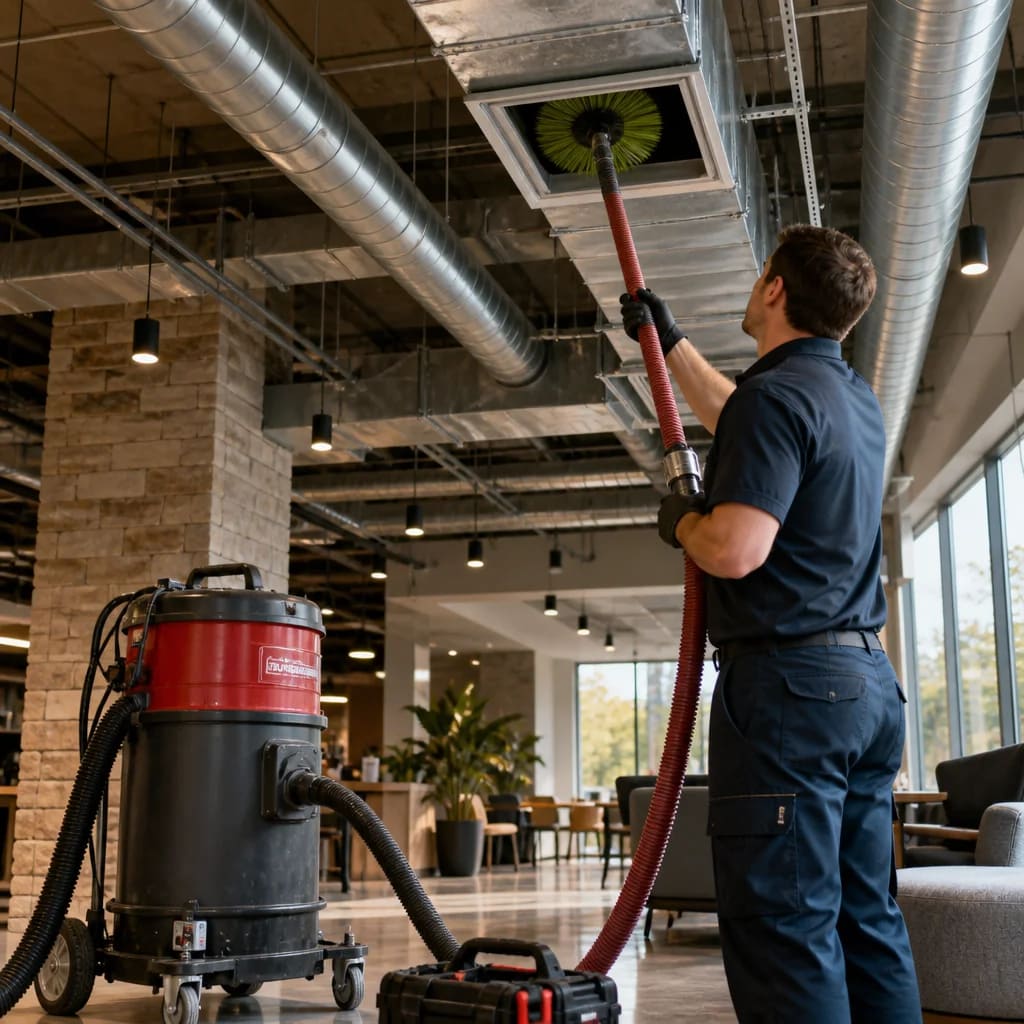
- Cleaning: Our trained technicians use professional equipment to remove debris from the system. We protect your floors and furniture and keep the work area clean.
- Sanitizing (if recommended): We explain what sanitizing is designed to do and any limitations before applying it.
- Walkthrough: We show you the results, answer questions, and suggest a maintenance schedule that fits your pets and your home.
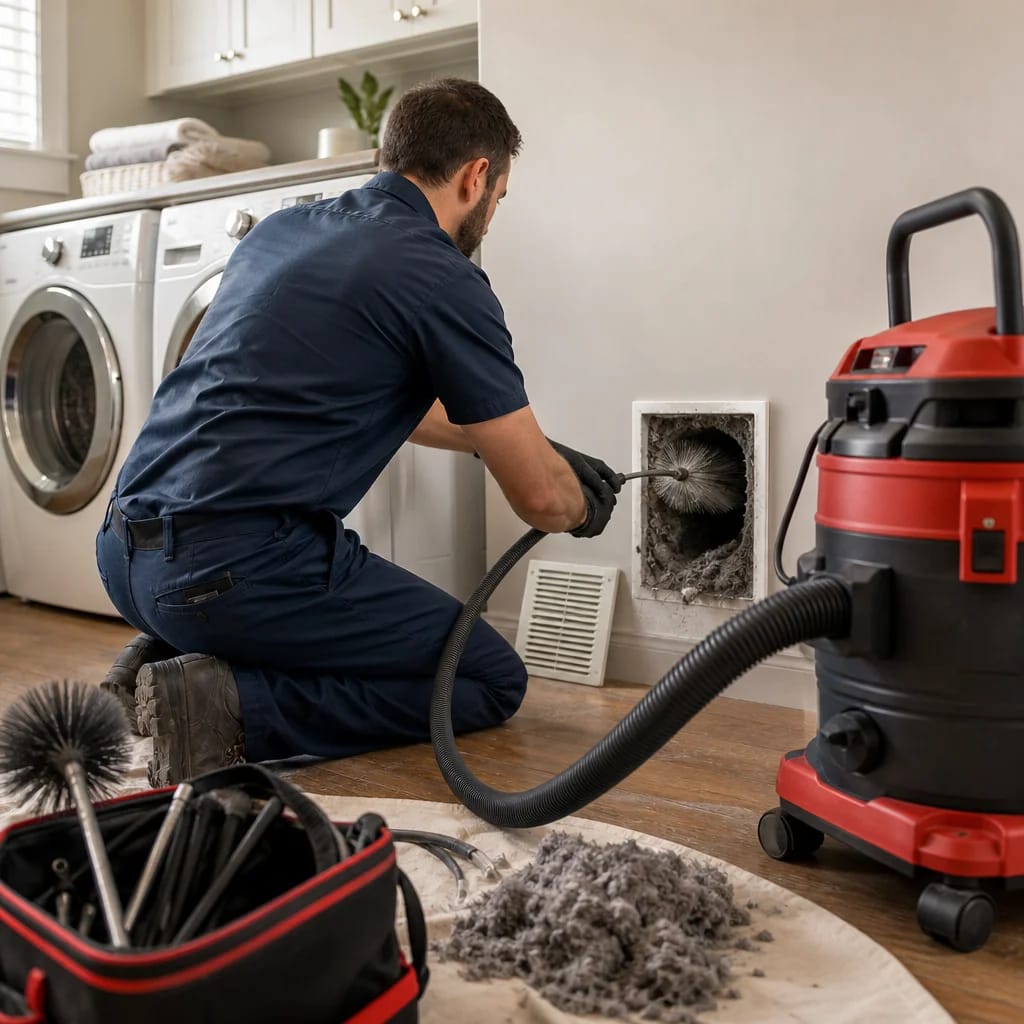
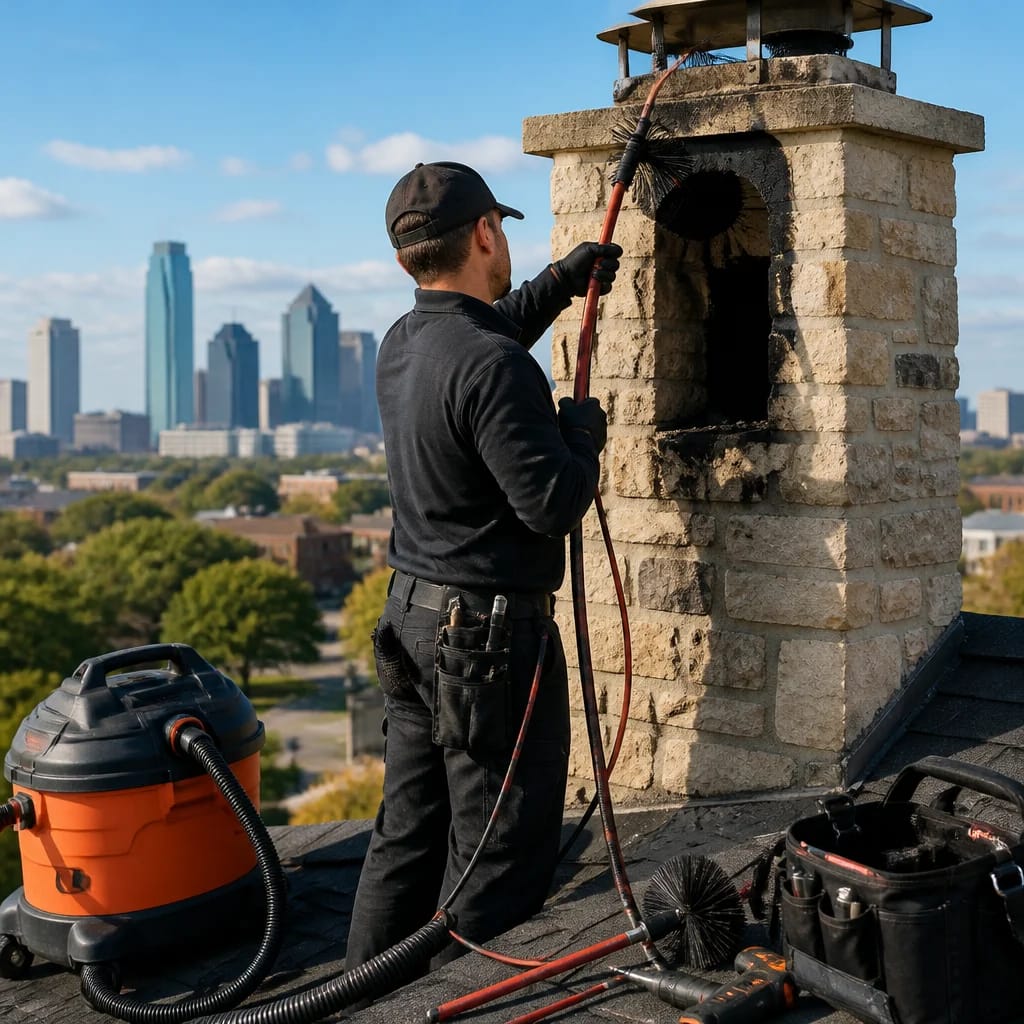
We also offer related services when they make sense, including dryer vent cleaning and chimney inspections, so you can address other sources of household debris in one visit or on a coordinated schedule.
Scheduling Your Next Cleaning With Dr Air Duct
Ready to plan your next cleaning? Here is a simple way to get started:
- Note your pet count and shedding level. Use this to set a realistic starting schedule.
- Check your filter monthly. Track how quickly it clogs during peak shedding seasons.
- Schedule an inspection. A camera-based check will show you actual conditions rather than guesses.
- Book a cleaning when needed. We will recommend timing based on what we find.
Dr Air Duct serves homeowners and property managers across Dallas and surrounding Texas communities. Our team offers responsive scheduling, clear estimates, and transparent communication, with 24/7 availability for urgent concerns. If you want a second opinion on your current maintenance plan, contact us to set up an inspection. For more guidance on caring for your home’s HVAC system with pets, read our HVAC care for pet owners guide.
Frequently Asked Questions (FAQ)
How often should we clean ducts in a Dallas home with pets?
For most Dallas households with one or two pets, we recommend a professional inspection every 12 to 18 months and a full cleaning every two to three years. Homes with several pets, or pets that shed heavily, often benefit from checking the system every year. Our technicians can measure buildup and tell you whether your schedule needs to move up or down.
What are the signs that our ducts need cleaning sooner?
Watch for pet hair or dander clumping around supply vents, a noticeable pet odor when the system runs, or dust that returns quickly after you wipe surfaces. Rising energy bills and uneven temperatures between rooms can also point to restricted airflow. If anyone in the household has new or worsening allergies or asthma symptoms, we suggest scheduling an inspection promptly.
Do we need to clean our dryer vents and chimney too?
Yes, we recommend including them in your maintenance plan. Pet hair and lint can collect in dryer vents, which raises fire risk and slows drying times. Chimney sweeping and safety inspections are also worth scheduling yearly if you use a fireplace. We offer these services alongside duct cleaning, so we can address the whole system in a single visit.