

Table of Contents
- Why Your Chimney Needs Attention Every Year
- How Creosote and Soot Build Up Unnoticed
- Warning Signs Your Chimney Needs Inspection
- What Happens During a Professional Chimney Safety Inspection
- How Annual Inspections Reduce Chimney Fire Hazards
- Chimney Cleaning, Repair, and Ventilation Benefits
- Why Dallas Homeowners Choose Our Local Chimney Team
- Scheduling Your Annual Chimney Inspection With Us
- Frequently Asked Questions (FAQ)
Why Your Chimney Needs Attention Every Year
A chimney works quietly in the background, but it deals with heat, smoke, and byproducts every time you light a fire. Over time, those byproducts settle inside the flue and the firebox, and small problems can grow into serious ones. An annual chimney safety inspection gives you a clear picture of what is happening inside a system you cannot easily see.
For Dallas homeowners, the need is practical. Our region has hot summers and cool, damp stretches in winter, and many fireplaces get regular use during the colder months. Wind, storms, and debris from nearby trees can also block or damage chimney caps and crowns. A yearly check catches these changes while they are still manageable.
What to do next: Mark your calendar for an inspection each year, ideally before your first fire of the season. Keep a simple log of the date and any repairs so you can track changes over time.
How Creosote and Soot Build Up Unnoticed
Creosote forms when wood smoke cools inside the flue and condenses on the interior walls. It starts as a thin, dusty layer, then can harden into a tar-like or glazed coating that is difficult to remove. Soot is the black, powdery residue left by incomplete combustion. Both build up gradually, which is why most homeowners do not notice them until something changes.
Several factors speed up buildup:
- Burning damp or unseasoned wood, which produces more smoke and moisture
- Restricted airflow, such as a closed damper or a partially blocked flue
- Low fire temperatures, common during short, smoldering fires
- Long gaps between cleanings, especially in homes that burn wood often
A small amount of soot is normal, but thick or flaky creosote is a warning sign. Because the layer sits out of sight, a visual check from the firebox rarely tells the whole story.
What to do next: Burn only dry, seasoned hardwood, and keep fires hot enough to limit smoke. Ask your technician to measure the creosote layer during your inspection so you know whether cleaning is needed.
Warning Signs Your Chimney Needs Inspection

Some warning signs are easy to spot, while others only appear during a close look. Schedule an inspection promptly if you notice any of the following:
- A strong smoky smell in the house, even when the fireplace is not in use
- Smoke entering the room when you open the damper or start a fire
- Dark staining or streaks on the chimney exterior or around the fireplace opening
- Visible flakes, drips, or sticky deposits inside the firebox
- Cracks in the chimney crown, flue tiles, or masonry
- Animal sounds, nesting material, or debris falling into the fireplace
- Water stains on the ceiling or walls near the chimney
- Fires that burn slowly, produce excess smoke, or seem to draw poorly
Any one of these signs is worth a call. Several together suggest that buildup, moisture, or a structural problem may already be affecting the system.
What to do next: Stop using the fireplace if you notice heavy smoke backing into the room or large chunks of debris. Contact a qualified technician before lighting another fire.
What Happens During a Professional Chimney Safety Inspection
A professional inspection follows a consistent process designed to evaluate the entire venting system, from the firebox to the chimney cap. At Dr. Air Duct, our technicians work through these steps:
- Initial interview. We ask about how often you use the fireplace, what fuel you burn, and any issues you have noticed.
- Firebox and damper check. We examine the firebox walls, the damper operation, and the smoke chamber for cracks or deposits.
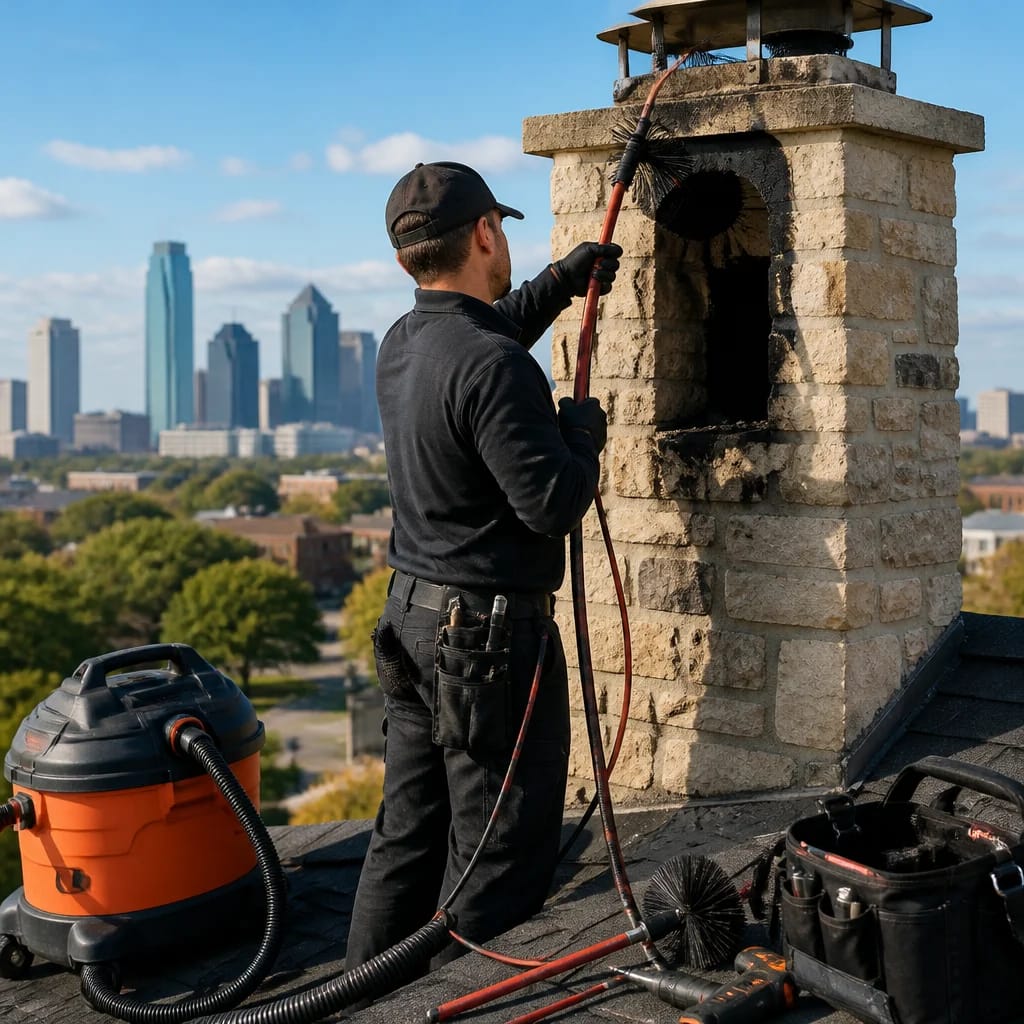
- Flue inspection. Using specialized tools and, when needed, a video camera, we look inside the flue for creosote, blockages, and damaged liners.
- Exterior review. We check the chimney crown, flashing, chase cover, and cap for cracks, gaps, or animal entry points.
- Clearance and ventilation check. We confirm that the chimney has adequate height, clearance, and airflow for safe operation.
- Written report. You receive a clear summary of findings, photos where helpful, and recommended next steps with no obligation.
Most inspections take one to two hours, depending on the size and layout of the system. You can ask questions at every stage, and we explain what we see in plain language.
What to do next: Have the inspection done before the heating season, and ask for photos or video of any problem areas so you can review them later.
How Annual Inspections Reduce Chimney Fire Hazards
Chimney fires usually start when creosote ignites inside the flue. The fire can spread to nearby framing, roofing, or insulation, and it may not be obvious until significant damage has occurred. An annual inspection cannot guarantee that a fire will never happen, but it can help reduce the risk by identifying the conditions that lead to one.
Here is how regular inspections help:
- Early detection of creosote. Finding buildup while it is still thin means cleaning is faster and more effective.
- Identifying cracked liners. Damaged flue tiles can allow heat and sparks to reach combustible materials.
- Spotting blockages. Nests, debris, and collapsed masonry restrict airflow and can cause dangerous backdrafts.
- Confirming safe clearances. Inspections check that the chimney sits at the correct distance from walls and framing.

For example, a homeowner who burns a fire several evenings a week may not notice a thin glaze forming on the flue wall. During an inspection, the technician can measure and remove that layer before it grows into a fire hazard.
What to do next: If your inspection finds creosote or a damaged liner, schedule the recommended work promptly rather than waiting until the next heating season.
Chimney Cleaning, Repair, and Ventilation Benefits
Inspection tells you what is wrong. Cleaning and repair address it. These services are distinct, and it helps to know which one your system needs:
- Chimney cleaning removes creosote, soot, and debris from the flue and firebox. It is typically recommended when the creosote layer reaches a level that poses a risk or when a fire has been burning under conditions that produce heavy deposits.
- Chimney repair covers cracked crowns, deteriorated mortar, damaged flashing, and liner problems. Repairs restore the structure so it can contain heat and smoke properly.
- Ventilation improvements may include installing a properly sized cap or adjusting airflow components. Better draft can help a fire burn more cleanly and may reduce the buildup of smoke residue, though results vary by home.
Taking care of these items can also improve how the fireplace performs. Fires may start more easily, produce less smoke in the room, and burn more efficiently. We avoid promising specific energy savings, since results depend on the home, the fuel, and how often the fireplace is used.
What to do next: Ask your technician to separate recommended repairs into “needed now” and “monitor” categories so you can plan your budget.
Why Dallas Homeowners Choose Our Local Chimney Team
Dallas homeowners need a provider who understands local conditions, from heavy spring storms to the temperature swings that stress masonry and metal components. We are a Dallas-based team serving homes across the metro area and nearby Texas communities, and we focus on clear communication and dependable workmanship.
What you can expect from us:
- Trained technicians who work with a range of chimney types, including masonry, prefab, and metal systems
- Proper equipment, including specialized brushes, inspection cameras, and dust control measures
- Transparent estimates that explain each recommended service and its purpose
- Responsive scheduling with service available around the clock when urgent concerns arise
- Respect for your home, with protective coverings and a clean work area after each visit
Our goal is to give you accurate information so you can make confident decisions. We also offer related services, including dryer vent cleaning and air duct services, so you can address several home safety and air quality needs with one trusted provider.
What to do next: Compare estimates based on what is included, such as inspection detail, cleaning method, and warranty on repairs, rather than price alone.

Scheduling Your Annual Chimney Inspection With Us
Booking an annual inspection is simple, and the best time to do it is before you plan to light your first fire of the season. Scheduling early gives you more flexibility with appointment times and allows time for any recommended repairs before cold weather arrives.
Here is how to get started:
- Contact us through our chimney inspection services page to request an appointment.
- Tell us about your fireplace, including the fuel you use, how often you burn, and any concerns you have noticed.
- Receive your inspection report with findings, photos where helpful, and a clear list of recommended services.
- Decide on next steps. If cleaning is needed, you can review options such as creosote removal services before scheduling.
Keeping your chimney on an annual schedule is one of the most practical ways to protect your home and your household. We are glad to answer questions and help you plan the right maintenance for your property.
What to do next: Call or request an appointment this week, and set a reminder for next year’s inspection while the details are fresh.
Frequently Asked Questions (FAQ)
How often should we have our chimney inspected?
We recommend a professional chimney safety inspection once a year, ideally before the heating season begins. An annual check gives our technicians the chance to catch creosote buildup, cracked flue liners, or blocked vents before they become costly or dangerous. Homes that use their fireplace frequently may benefit from more frequent checks.
What signs tell us our chimney needs attention right away?
If we notice a smoky smell during fires, dark staining on the chimney crown, rust on the damper, or a fire that burns unusually slowly, we should schedule an inspection promptly. Flaky or tar-like deposits inside the firebox are another sign of heavy creosote buildup. Our team can assess these issues on site and explain the recommended repairs.
Does an annual inspection include cleaning and repairs?
Our standard inspection includes a visual review of the flue, firebox, damper, and chimney crown, along with a written summary of what we find. If cleaning or minor repairs are needed, we can address them during the same visit with your approval. Larger structural repairs are quoted separately so you know exactly what to expect before any work begins.