

Table of Contents
- Why Chimney Safety Inspections Matter for Dallas Homeowners
- Common Chimney Problems We Find During Inspections
- How Creosote Buildup Threatens Your Home and Family
- What Happens During Our Professional Chimney Inspection
- The Dangers of Skipping Annual Chimney Maintenance
- How Our Inspection Process Prevents Costly Repairs
- Chimney Repair Solutions We Provide After Inspection
- Why Annual Inspections Save You Money Long-Term
- Getting Started With Your Chimney Safety Inspection
- Frequently Asked Questions (FAQ)
Why Chimney Safety Inspections Matter for Dallas Homeowners
If you heat your home with a fireplace or wood stove in Dallas, your chimney works hard every heating season. Over time, it collects debris, creosote, and other materials that reduce its ability to safely vent smoke and gases outdoors. An annual chimney safety inspection is one of the most practical steps you can take to protect your home and family. We’ve helped hundreds of Dallas homeowners avoid costly damage and fire hazards simply by catching problems early through routine inspections.
Your chimney is engineered to do one essential job: safely remove smoke, gases, and byproducts from your fireplace or wood stove to the outside air. When it’s not working properly, those materials can back up into your living space or create conditions that increase fire risk. Dallas’s climate means many homeowners use their fireplaces seasonally but not consistently, which can actually make problems harder to spot without a trained eye.
Regular inspections catch issues before they become emergencies. Cracks in the flue, gaps in mortar joints, animal entry points, and accumulated debris all reduce chimney performance. Left unchecked, these problems can lead to smoke backing up into rooms, reduced draft efficiency, and in worst cases, chimney fires. An annual inspection gives you confidence that your heating system is safe and functioning as designed.
Beyond safety, inspections help your chimney last longer. Addressing small problems now prevents them from spreading or worsening. We recommend scheduling your inspection in the fall before heating season ramps up, giving you time to address any repairs before you rely on your fireplace daily.
Common Chimney Problems We Find During Inspections
Every chimney tells a story based on how it’s been used and maintained. During inspections, we consistently encounter several recurring issues that Dallas homeowners should know about.
Creosote accumulation is nearly universal. This sticky, flammable residue builds up on the interior flue walls with every fire. How quickly it accumulates depends on the type of wood burned, moisture content, and chimney temperature. We’ve seen chimneys with creosote layers up to several inches thick, which significantly restricts airflow and increases fire risk.
Structural damage comes in many forms. Cracks in the clay flue liner, deteriorating brick and mortar, spalling (flaking) of interior surfaces, and broken dampers are common findings. Dallas’s seasonal weather cycles, from summer heat to occasional freezing, can cause expansion and contraction that stresses chimney materials over time.
Animal intrusion is surprisingly common. Raccoons, squirrels, birds, and other wildlife occasionally enter chimneys seeking shelter, especially in fall and winter. When they do, they often create blockages, leave debris, and damage components like dampers. Some homeowners don’t realize they have an animal issue until they try to use their fireplace.
Missing or damaged caps and screens allow water, debris, and pests into the chimney. A proper chimney cap keeps rain out, prevents downdrafts, and stops animals from entering. We often find caps that have rusted, deteriorated, or were never installed in the first place.
Creosote deposits, damaged liners, structural cracks, and blockages are issues we address regularly through professional inspection and chimney cleaning in Dallas.
How Creosote Buildup Threatens Your Home and Family
Creosote deserves special attention because it’s the most common hazard we encounter. It forms when wood smoke cools inside the chimney and condenses. It’s tacky, flammable, and accumulates steadily with use. The thicker the layer, the greater the risk.
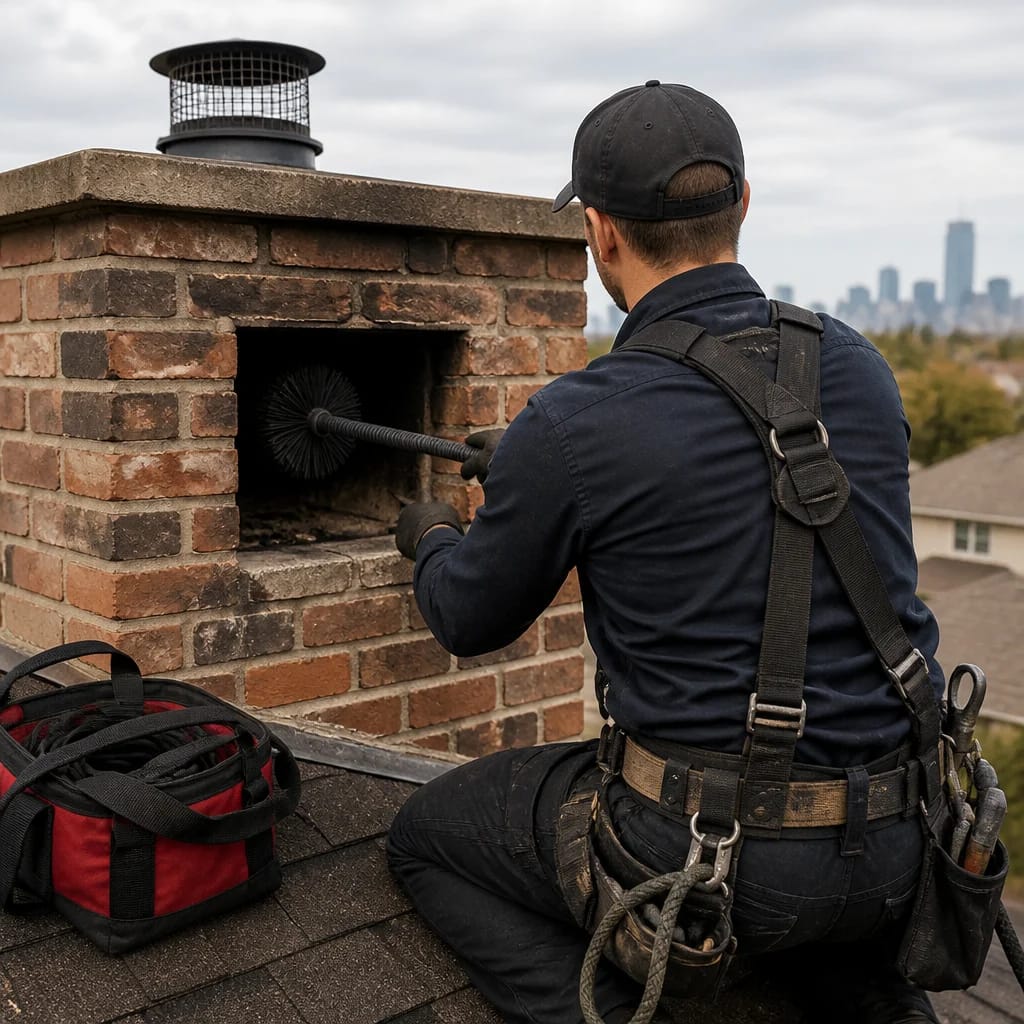
A light creosote coating is easier to manage, but heavy buildup becomes dangerous. When creosote ignites inside the chimney, temperatures can exceed 1,000 degrees Fahrenheit. This chimney fire can damage the flue liner, the chimney structure itself, and even expose nearby framing and roofing materials to extreme heat. Homeowners often hear a roaring sound, see flames at the chimney top, or smell a strong, acrid odor when a chimney fire occurs.
The risk increases dramatically when creosote layers exceed 1/8 inch thick. At that point, the risk of ignition rises, draft efficiency drops, and smoke backing into living spaces becomes more likely. Regular cleaning prevents dangerous accumulation. We recommend professional cleaning annually for homeowners who use their fireplace regularly, and every two to three years for occasional users.
Beyond fire risk, heavy creosote buildup restricts airflow, which means smoke enters your home instead of venting properly. This creates indoor air quality issues and makes your fireplace unsafe to use until cleaning is complete.
What Happens During Our Professional Chimney Inspection
We approach every inspection methodically to ensure we catch problems you can’t see. Our process combines visual examination, equipment-based assessment, and detailed documentation.
We start by examining the exterior chimney structure. We look for visible cracks, loose bricks, deteriorating mortar, missing caps, and rusted components. Weather exposure is constant in Dallas, and we assess how well the chimney is holding up.
Next, we examine the interior using specialized equipment and camera systems. We can see the flue liner condition, creosote deposits, blockages, and structural damage without disassembly. This visual assessment is thorough and leaves no surprises for our customers.
We also inspect the fireplace box, damper, and smoke chamber. These components affect overall performance and safety. A damaged damper, for example, wastes heating energy and can allow animals and water to enter more easily.
We document everything with photos and detailed notes. You’ll receive a clear report explaining what we found, any issues that need attention, and our recommendations. This transparent approach helps you make informed decisions about repairs or maintenance.
The Dangers of Skipping Annual Chimney Maintenance
Putting off inspections might save money in the short term, but the risks accumulate quickly. Many preventable chimney emergencies stem from years of deferred maintenance.
Without regular checks, creosote builds silently until chimney fire risk becomes severe. By then, cleaning alone might not address structural damage the fire caused. Repairs escalate from a straightforward cleaning to flue liner replacement, masonry work, or even full chimney rebuilding in extreme cases.
Animal entry often goes unnoticed until you attempt to use your fireplace. Dead animals, nesting materials, and debris create blockages that prevent proper venting. Forcing the issue can push this material into living spaces, creating biohazard cleanup alongside the original problem.
Water damage compounds over months and years. A damaged cap or cracked mortar allows water infiltration that weakens interior components, fosters mold growth, and can eventually damage attic framing and insulation. Water-related damage is frequently the most expensive to repair.
Structural cracks and spalling progress unaddressed. What starts as a small fissure in the flue liner can expand with seasonal temperature swings, eventually compromising the entire flue system. By the time problems become obvious, repair costs reflect years of neglect.
The most important takeaway: annual inspections catch issues when they’re inexpensive to fix. Waiting for visible problems means paying significantly more.
How Our Inspection Process Prevents Costly Repairs
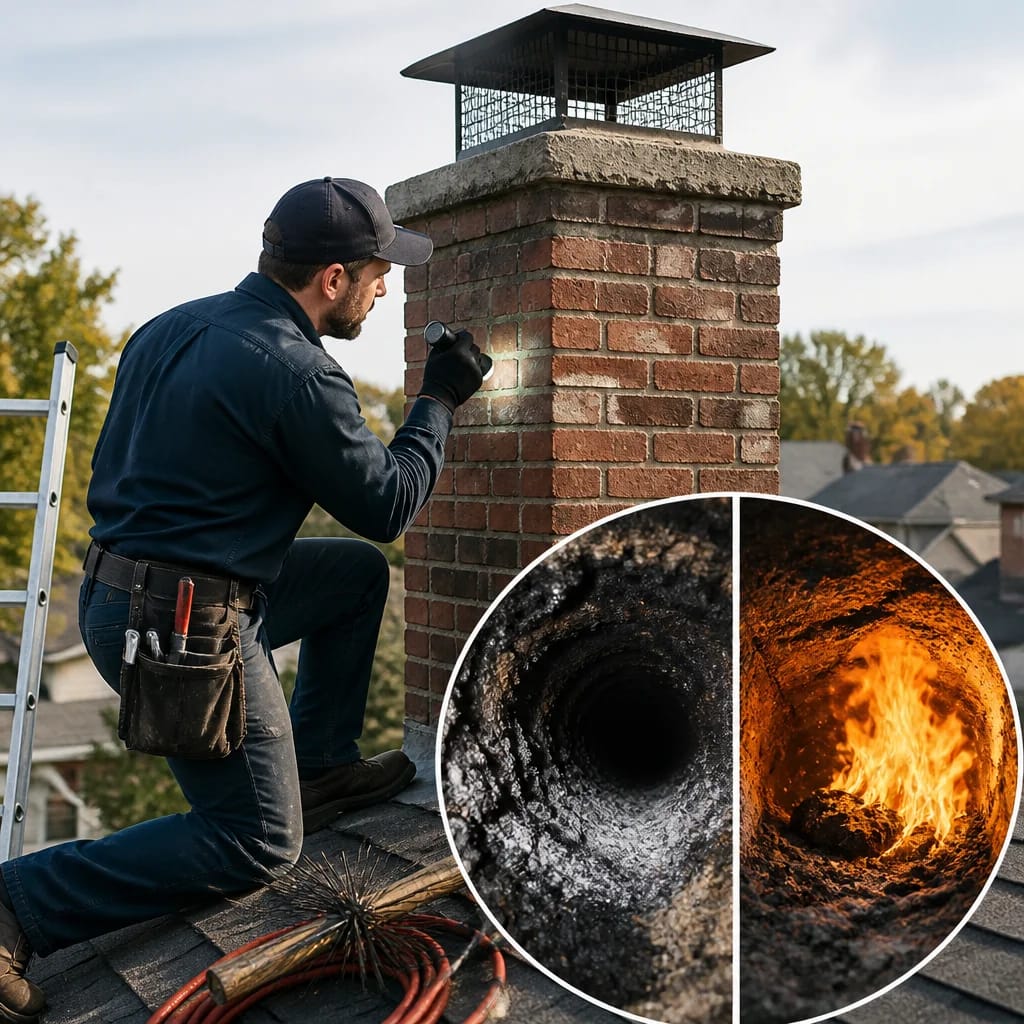
Prevention through regular inspection is fundamentally more cost-effective than emergency repair. Our process is designed to identify problems at stages when solutions are simple and affordable.
Early detection of creosote deposits means straightforward cleaning. Removing a 1/16-inch layer of creosote is routine work. Once it reaches 1/2 inch thick and requires specialized equipment or multiple visits, costs increase.
Catching a cracked flue liner in year one of damage allows focused repair of that section. Ignoring it for three years might mean the entire liner system requires replacement, which is substantially more expensive and disruptive.
Finding a damaged chimney cap before water intrusion damages the interior framing saves you thousands in structural repairs. A cap replacement or repair costs far less than water damage mitigation and structural restoration.
When we identify damper issues, block blockages, or structural concerns during inspection, we explain your options clearly. Small problems often have simple solutions. Your annual inspection becomes an investment in avoiding the major repairs that deferred maintenance necessitates.
Chimney Repair Solutions We Provide After Inspection
Once our inspection identifies issues, we’re prepared to address most problems directly or coordinate solutions with you.
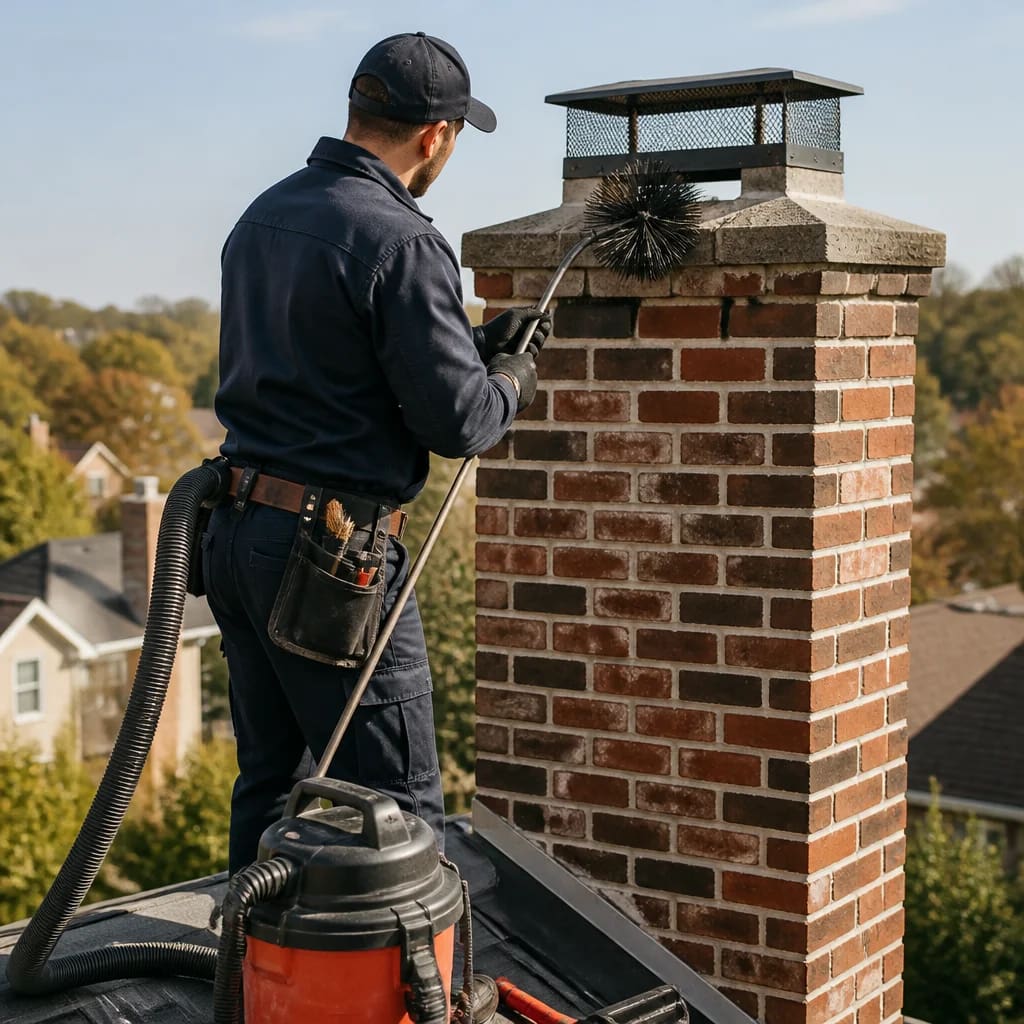
Creosote removal is our core service. We use equipment and techniques matched to the severity of buildup, removing deposits safely while protecting your home from mess and damage.
Chimney cap repair and replacement restores the critical barrier between your chimney and the weather. We install caps that fit your specific chimney dimensions and provide proper ventilation.
Flue liner repair addresses cracks and damage without requiring full replacement in many cases. Where replacement is necessary, we install quality liners that restore full functionality.
Mortar and brick repair restores structural integrity to chimneys with crumbling joints or spalling bricks. This exterior work prevents water infiltration and extends chimney life.
Damper repair and replacement restores proper sealing and smooth operation. A functioning damper improves efficiency and prevents unwanted air infiltration.
Animal removal and exclusion work addresses intrusion problems and prevents recurrence. We remove wildlife safely and install barriers that keep pests out.
Visit our chimney repair in Dallas service page to learn more about specific repair options and solutions.
Why Annual Inspections Save You Money Long-Term
The math on chimney inspection is straightforward. An annual inspection typically costs far less than even a single major repair.
A standard inspection runs a fraction of what you’ll pay for emergency flue liner replacement, water damage mitigation, structural repair, or chimney rebuild. When you inspect regularly, you’re making small, predictable investments that prevent large, unexpected ones.
Consider the real-world scenario: homeowner A inspects annually at modest cost, catches a cracked flue liner early, and pays for focused liner repair. Total investment over five years: a few hundred dollars. Homeowner B skips inspections to save money initially, uses the fireplace without knowing about the liner crack, and eventually faces a chimney fire. Now the damage includes the liner, interior structure, and possible roofing damage. Total emergency repair cost: several thousand dollars.
Beyond direct repair costs, a well-maintained chimney functions more efficiently. Proper draft means your fireplace heats effectively. Unobstructed flow prevents smoke backup that might require remediation and home cleaning. Regular cleaning restores performance and peace of mind.
Most importantly, regular inspections let you enjoy your fireplace safely. You’re not worrying about hidden damage or hoping you don’t have a problem. You know your chimney’s condition and can use it confidently throughout the heating season.
Getting Started With Your Chimney Safety Inspection
Scheduling your annual chimney safety inspection is simple. We offer flexible timing to fit your schedule, with priority availability as heating season approaches.
Contact us to book your inspection. We’ll ask basic questions about your chimney use, any concerns you’ve noticed, and your preferred service timing. Most homeowners schedule in September or October to ensure everything is safe before regular fireplace use begins.
We’re available 24/7, and we pride ourselves on responsive service. When you call, you’re talking to people who know Dallas properties and understand the specific conditions chimneys face in our area.
Bring any past inspection reports or maintenance records if you have them. This context helps us assess whether issues are new or recurring and informs our recommendations.
After your inspection, we’ll discuss findings clearly, answer questions, and explain any repairs we recommend. You’ll have time to consider options without pressure. We’re here to help you make decisions that keep your chimney safe and your fireplace enjoyable for years to come.
Frequently Asked Questions (FAQ)
How often should I schedule a chimney safety inspection?
We recommend our Dallas customers have their chimneys inspected at least once per year, ideally before the heating season begins in fall. If you use your fireplace frequently or notice any signs of damage, we suggest scheduling an inspection sooner to catch problems early and avoid costly repairs down the road.
What creosote buildup means for my home’s safety
Creosote is a flammable substance that builds up inside your chimney when wood burns, and it’s one of the leading causes of chimney fires in residential properties. We find significant creosote deposits during inspections that homeowners don’t realize are creating a serious fire hazard, which is why our annual cleaning and inspection service is so critical for protecting your family and home.
What should I expect during our chimney inspection?
We perform a thorough visual examination of your chimney’s interior and exterior, checking for creosote buildup, structural damage, blockages, and safety concerns. After we complete the inspection, we provide you with a detailed report of our findings and recommend any necessary repairs or cleaning services to keep your chimney functioning safely and efficiently.