

Table of Contents
- How Dirty Air Ducts Trigger Allergy Symptoms
- What Allergens Hide Inside Your Ductwork
- Why Standard Cleaning Isn't Enough for Allergies
- Our Professional Air Duct Cleaning Solution
- The Deep Cleaning Process We Use
- How Sanitization Removes Mold and Bacteria
- Results You'll Notice After Cleaning
- Maintenance Strategies to Keep Allergies at Bay
- Common Questions About Duct Cleaning and Allergies
- Schedule Your Allergy-Relief Cleaning Today
- Frequently Asked Questions (FAQ)
How Dirty Air Ducts Trigger Allergy Symptoms
If you’ve noticed your allergies getting worse indoors, your air ducts might be part of the problem. We’ve seen countless Dallas homeowners struggle with sneezing, congestion, and itchy eyes that mysteriously worsen at home, only to discover their ductwork is harboring years of dust and allergens. The good news: professional air duct cleaning can make a real difference in your indoor air quality and how you feel day to day.
Your HVAC system circulates air throughout your home multiple times daily. When ducts accumulate dust, pet dander, pollen, and other debris, that same air gets recycled repeatedly. Every time your heating or cooling runs, you’re breathing in particles that have collected inside those ducts, often for months or years.
The connection is straightforward: as air passes through contaminated ductwork, allergens get pulled into your living spaces. For people with existing allergies or sensitivities, this creates a continuous trigger. You might notice symptoms spike during high pollen seasons or after running the HVAC for extended periods. Some customers tell us they felt fine at work but experienced congestion within an hour of arriving home, then saw improvement just weeks after we cleaned their ducts.
Your respiratory system can only filter so much. When allergen concentrations build up indoors, your body’s natural defenses become overwhelmed, leading to inflammation and allergy flare-ups that over-the-counter medications can’t fully manage.
What Allergens Hide Inside Your Ductwork
Dust is just the beginning of what settles in air ducts. We regularly find:
- Pet hair and dander from current and previous pets
- Pollen that enters through outdoor air intakes and open windows
- Mold spores that thrive in dark, moist ductwork
- Dust mites and their droppings
- Bacteria and microorganisms
- Insulation particles from aging duct linings
- Dead skin cells from household occupants
Dallas’s climate creates ideal conditions for mold growth inside ducts. Our humidity levels, combined with temperature fluctuations, can encourage fungal development in areas where condensation forms. We’ve pulled out substantial mold colonies from homes that had no visible signs inside living spaces.
The longer ducts go uncleaned, the thicker these layers become. What starts as a thin film of dust eventually becomes a textured coating that reduces airflow and concentrates allergen levels. In homes with pets, smokers, or recent construction or renovations, buildup happens faster.
Why Standard Cleaning Isn’t Enough for Allergies
Surface vacuuming or changing air filters alone won’t solve an allergy problem rooted in ductwork contamination. Standard furnace filters catch some particles, but they don’t remove what’s already lining the inside of your ducts. Think of it like cleaning a floor by sweeping around the furniture instead of moving it aside.
Many homeowners try store-bought duct cleaning products or hire discount services that only blow air through the system. These approaches disturb settled debris but don’t capture or contain it, which can actually make indoor air quality worse temporarily by pushing particles into living spaces.
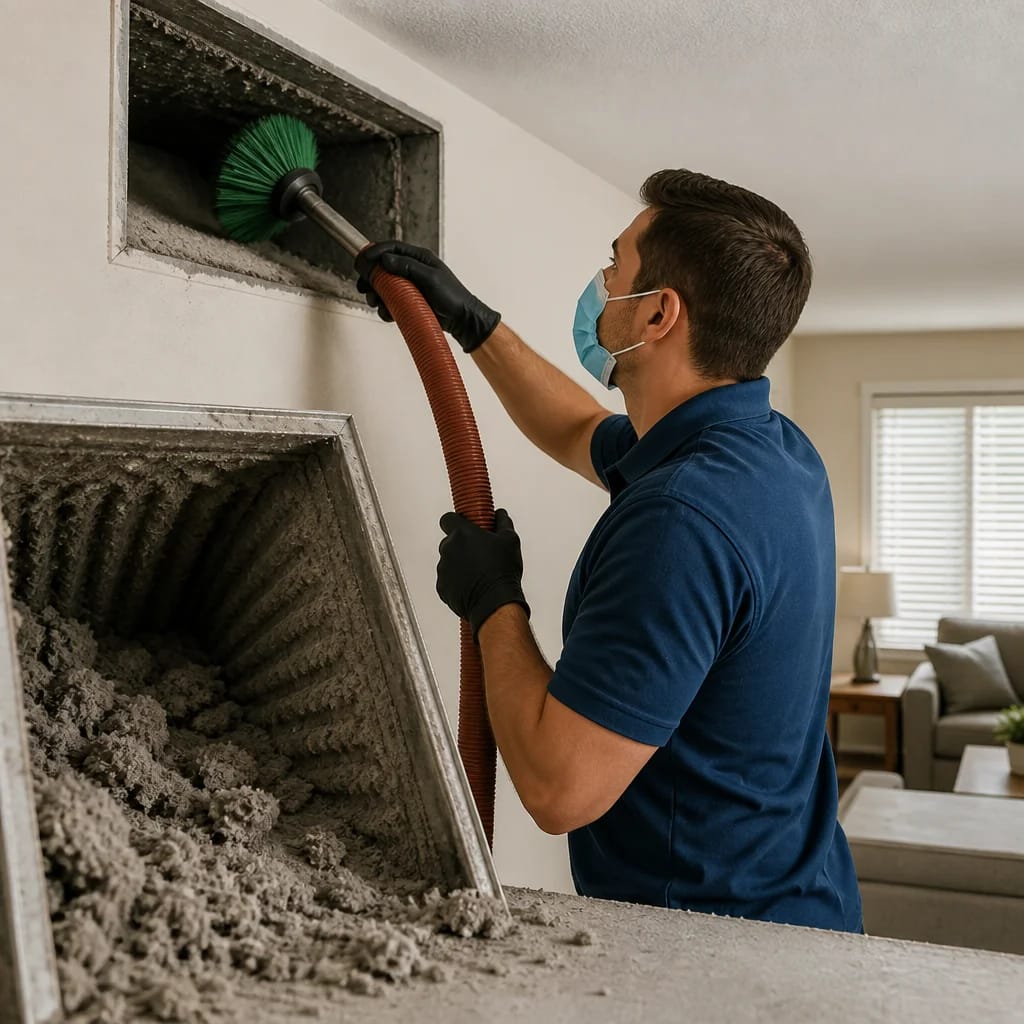
For allergy relief, you need thorough removal of accumulated material, not just redistribution. That’s where professional-grade equipment and proper containment techniques matter. We use sealed systems that capture dislodged debris before it escapes into your home, combined with detailed inspection to identify problem areas like mold growth or disconnected sections where contaminants concentrate.
Our Professional Air Duct Cleaning Solution
We’ve developed our air duct cleaning process specifically to address allergy concerns and improve indoor air quality. Our approach starts with a thorough inspection using video camera technology to see exactly what’s inside your ducts before we touch anything.
Based on what we find, we recommend a customized cleaning strategy rather than a one-size-fits-all approach. If we spot mold, we address sanitization. If we see disconnected sections trapping debris, we focus on those problem areas. This tailored method means you’re paying for what you actually need, not unnecessary upsells.
Our technicians are trained to work efficiently while protecting your home. We seal ductwork during cleaning to contain debris, use HEPA-filtered equipment, and wear protective gear to prevent cross-contamination. We’re available 24/7, so if allergies spike unexpectedly, we can prioritize your cleaning without making you wait weeks.
The Deep Cleaning Process We Use
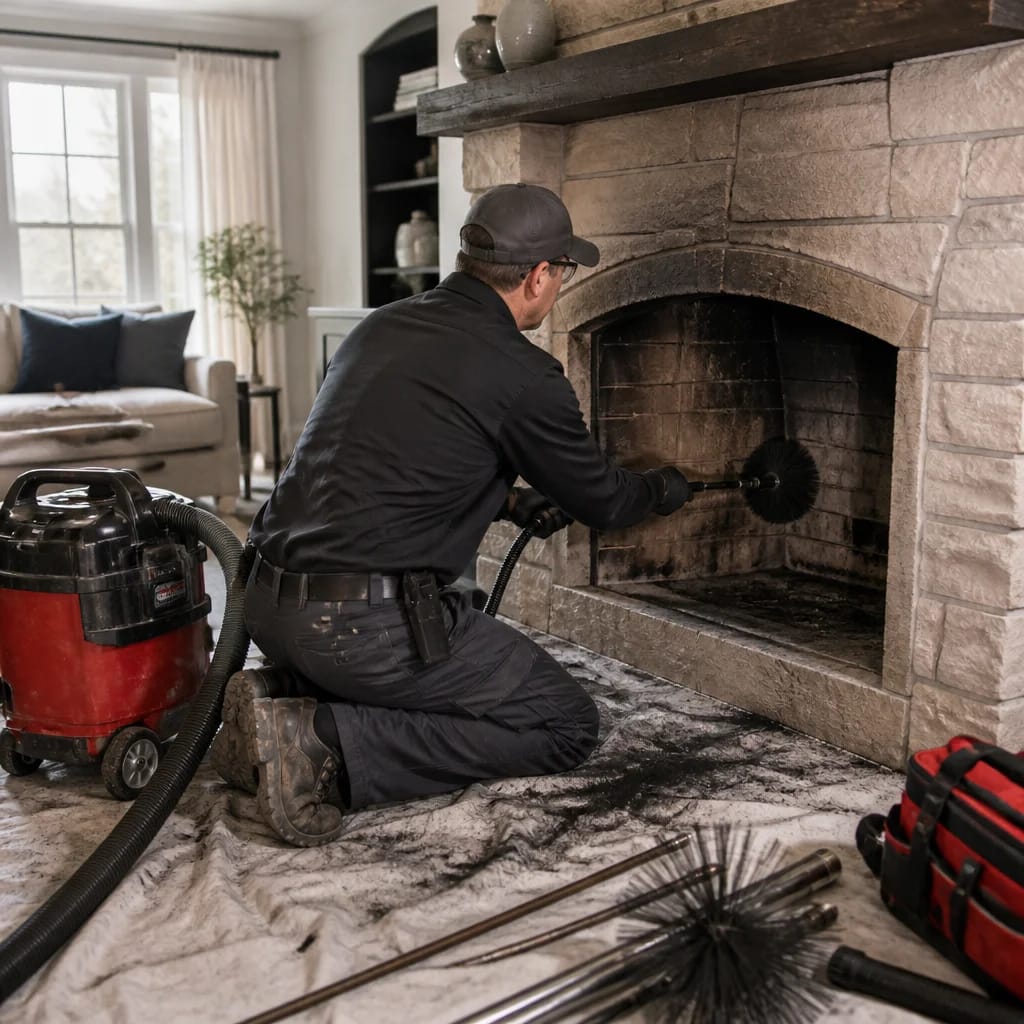
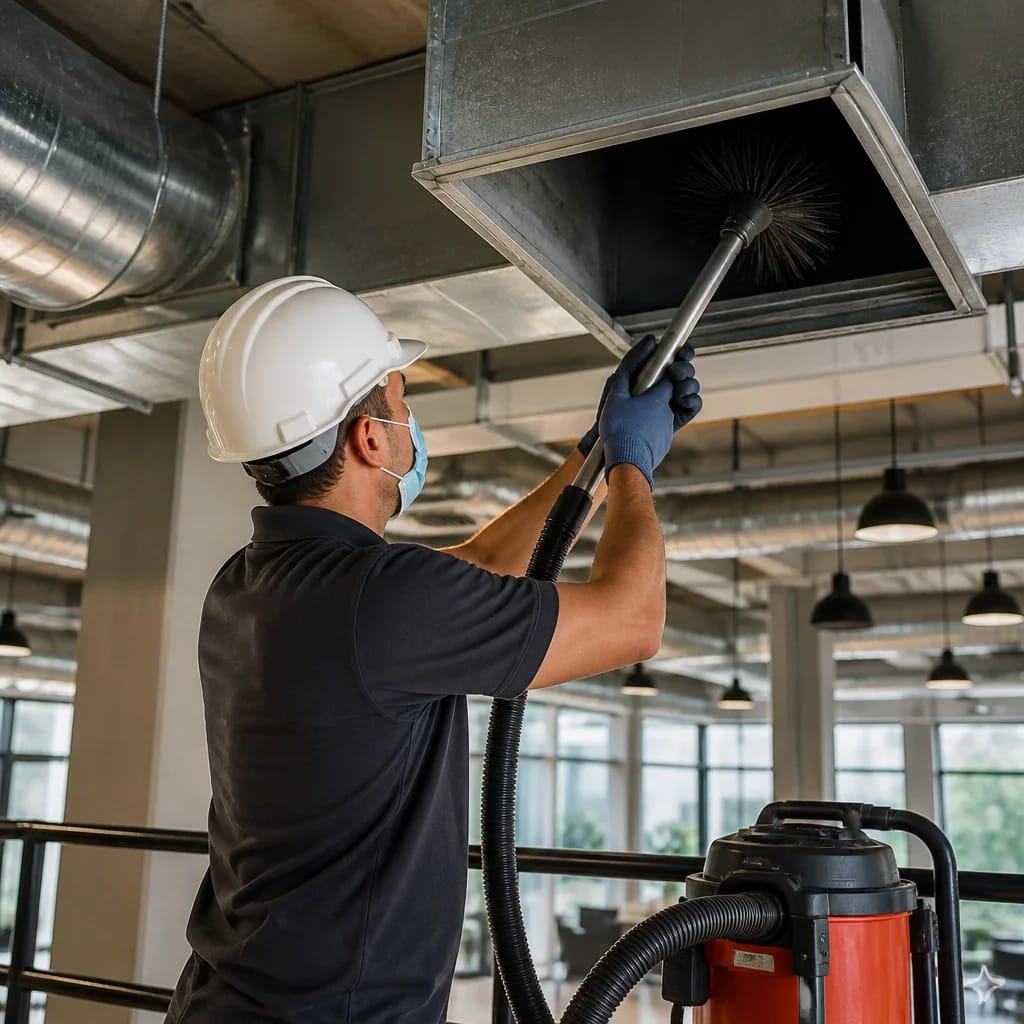
Our process uses negative pressure combined with mechanical agitation to dislodge and remove contaminants from duct walls. A truck-mounted unit creates suction, while specialized tools break up buildup inside the ducts. This combination lifts debris effectively without damaging ductwork.
Here’s what happens step by step:
- We access your ductwork at strategic points, inspecting as we go
- Compressed air and rotating brushes agitate the interior duct walls
- Powerful suction immediately captures dislodged material before it enters your home
- We work systematically through supply and return ducts
- We clean around dampers, registers, and transitions carefully
- Final inspection confirms thoroughness
The entire process typically takes 3-5 hours depending on system size and contamination level. Unlike methods that blow air through ducts, ours captures everything, which means no particles settle back into your home or get redistributed elsewhere.
How Sanitization Removes Mold and Bacteria
If we find mold or bacterial growth during inspection, we recommend adding sanitization to your cleaning. This isn’t a gimmick; it’s essential when you have active microbial contamination.
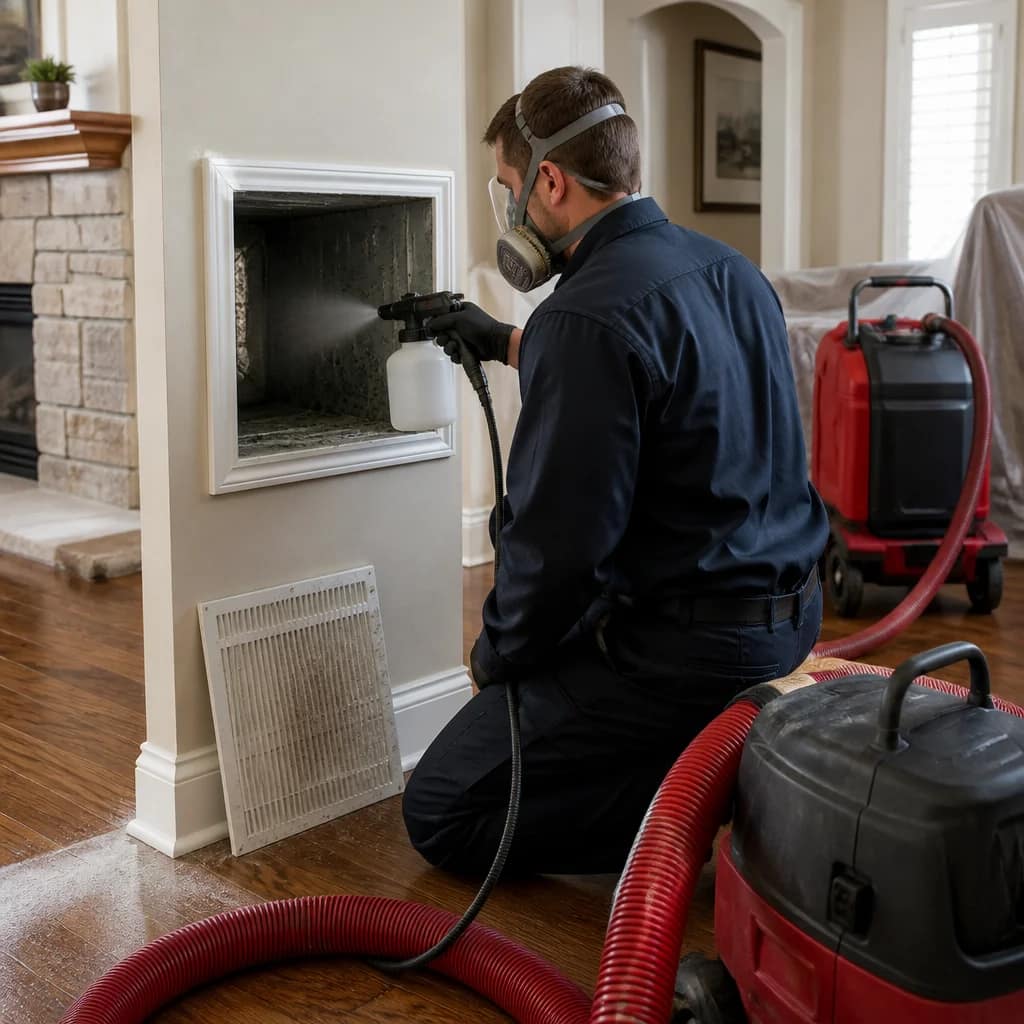
We apply hospital-grade sanitizing agents specifically formulated for HVAC systems. These products eliminate mold spores, bacteria, and other microorganisms clinging to duct surfaces. The sanitizer penetrates cleaned areas and prevents regrowth by creating an inhospitable environment for microbial colonization.
Sanitization is particularly valuable in Dallas homes with humidity control problems or systems that have condensation issues. A properly cleaned and sanitized duct system can significantly reduce the reintroduction of mold spores into your breathing space, which is especially important if you have asthma or mold allergies.
Results You’ll Notice After Cleaning
Most customers report noticeable improvements within the first week after cleaning. The most common observation is reduced sneezing, congestion, and nighttime coughing, particularly among people with dust or pet allergies.
Others notice improved airflow from vents, which can make certain rooms feel more comfortable without boosting thermostat settings. Reduced duct contamination means your HVAC system can move conditioned air more freely, improving circulation.
Some people experience better sleep quality if they were previously waking up congested. The reduction in airborne allergens overnight, when HVAC cycles are often longest, shows results quickly.
Energy efficiency sometimes improves too, though we don’t guarantee it. Cleaner ducts require less effort from your system to move air, which can reduce runtime and lower energy consumption in homes with significant buildup.
Maintenance Strategies to Keep Allergies at Bay
Cleaning is a one-time event, but maintenance is ongoing. After professional cleaning, protect your investment with smart habits:
- Replace your furnace filter every 1-3 months (more often if you have pets or allergies)
- Use high-MERV filters rated for allergy control without restricting airflow
- Seal air leaks around windows and doors to reduce outdoor pollen entry
- Keep humidity between 30-50% to discourage mold growth
- Have annual HVAC inspections to catch problems early
- Consider scheduling cleaning every 3-5 years, or sooner if you have pets or notice symptoms returning
If you notice allergies worsening again before we’d typically recommend cleaning, schedule an inspection. Sometimes a single problem area develops faster than general buildup, and we can address it without recleaning the entire system.
Common Questions About Duct Cleaning and Allergies
Will one cleaning permanently solve my allergies?
Professional cleaning removes existing contaminants and can dramatically improve symptoms, but allergens will continue entering your home through normal air circulation and living activity. Ongoing maintenance and air quality management are essential for sustained relief.
How do I know if my ducts actually need cleaning?
Visible dust around vents, musty odors, or returning allergy symptoms indoors are signs worth investigating. We offer free inspections where we use a camera to see what’s actually in your ducts, eliminating guesswork.
Is duct cleaning safe if I have asthma?
Yes, with the right provider. We use sealed, contained systems that prevent particles from entering your home during cleaning. Many asthma sufferers report improvement afterward. We recommend letting the system run for a few hours after cleaning to flush any residual particles.
Can duct cleaning spread mold if I don’t sanitize?
Proper cleaning with capture equipment prevents this. Sanitization is an additional layer of protection that’s recommended when mold is present, but thorough cleaning alone shouldn’t spread contamination if done correctly.
How often should I have ducts cleaned for allergies?
This depends on your household. Homes with pets, smokers, or multiple people with sensitivities may benefit from cleaning every 3 years. Others can go 5 years. We’ll recommend a schedule based on your inspection results.
You can find answers to more questions in our duct cleaning FAQs.
Schedule Your Allergy-Relief Cleaning Today
If allergies are making your Dallas home uncomfortable, professional air duct cleaning combined with proper maintenance can transform how you feel indoors. We’re available 24/7 to schedule inspections and cleaning when it works for you, with transparent pricing and no hidden surprises.
Contact us today to book your free inspection and discover exactly what’s in your ductwork. Let’s work together to create the clean, healthy indoor environment your home should provide.
Frequently Asked Questions (FAQ)
How quickly will I notice improvements in my allergy symptoms after you clean our air ducts?
Most of our customers experience noticeable relief within the first few days to a week after we complete the cleaning. Since we remove dust, pollen, pet dander, and mold spores from your entire ductwork system, the air circulating through your home becomes significantly cleaner. For best results, we recommend pairing our professional cleaning with regular filter changes and our sanitization service to keep allergen levels down long-term.
What makes your cleaning process different from what I can do myself or hire a standard cleaner for?
We use industrial-grade equipment and specialized techniques that reach deep into your ductwork where allergens accumulate far beyond what household vacuums or basic services can access. Our team applies EPA-approved sanitizers to eliminate mold and bacteria at their source, not just surface dust. We also inspect your system for leaks or damage that could allow outdoor allergens to enter, ensuring your HVAC works as a true air quality barrier.
How often should we schedule air duct cleaning if someone in our home has severe allergies?
We typically recommend professional cleaning every 1-2 years for allergy sufferers, depending on factors like pet ownership, local Dallas pollen seasons, and your system’s condition. During your initial appointment, we’ll assess your specific situation and suggest a maintenance schedule that works best for your household. Between professional cleanings, we can help you establish habits like regular filter replacement to keep allergen buildup minimal.