

Table of Contents
- Why Your Current Filter Might Not Be Protecting Your Family
- Understanding MERV Filtration and In-Duct Systems
- What HEPA Filters Really Do (and What They Don't)
- How These Two Approaches Compare in Real Homes
- The Hidden Energy Costs of Poor Filtration
- Why Clean Ducts Make Better Filters Work Harder
- Our Complete Air Quality Solution for Dallas Homes
- Choosing the Right Approach for Your HVAC System
- Getting Your System Professionally Evaluated
- Starting Your Journey to Cleaner Indoor Air
- Frequently Asked Questions (FAQ)
Why Your Current Filter Might Not Be Protecting Your Family
Most Dallas homeowners don’t think about their HVAC filter until something goes wrong. We see this pattern regularly: people assume a standard fiberglass filter does the job, then wonder why their allergies flare up or their energy bills keep climbing. The truth is, not all filters are created equal, and a one-size-fits-all approach often leaves your home underprotected.
Your filter’s job is to trap particles before they circulate through your living spaces. But the effectiveness depends entirely on which filter you’re using and how your system is maintained. A clogged filter, regardless of its rating, can’t protect anyone. Likewise, installing an expensive HEPA filter won’t solve the problem if your ducts are lined with years of accumulated dust and debris.
The gap between what homeowners think their filter does and what it actually does creates real indoor air quality challenges. We work with Dallas properties every week where people invested in premium filters but never cleaned their ductwork. The result? Better filters working harder against a dirtier system.
What to do next: Check your current filter type and note when you last replaced it. If you can’t remember, it’s probably overdue.
Understanding MERV Filtration and In-Duct Systems
MERV stands for Minimum Efficiency Reporting Value, and it’s a standardized rating system from 1 to 20. Higher numbers trap smaller particles, but they also create more airflow resistance. This matters because your HVAC system wasn’t necessarily designed to push air through a MERV 16 filter.
Here’s the practical breakdown:
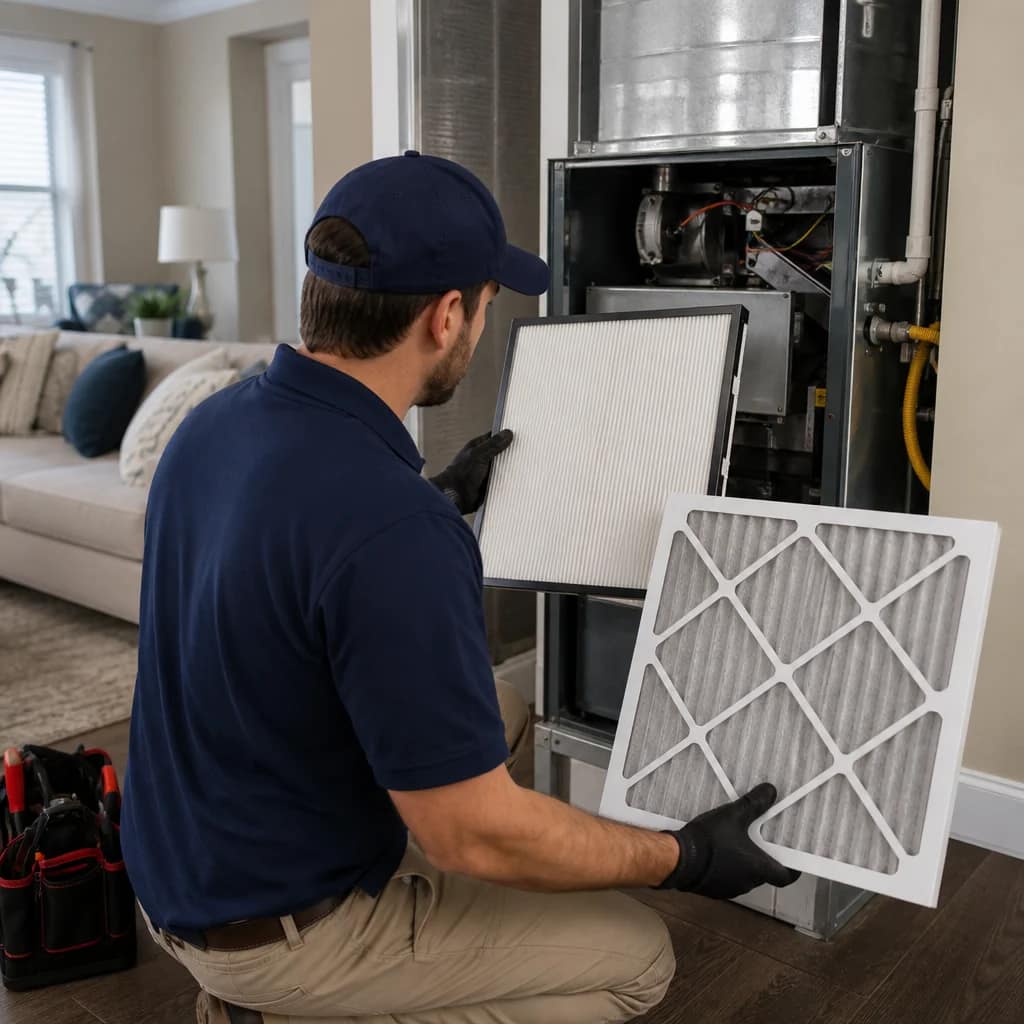
MERV 1-4 filters (basic fiberglass) trap large particles like dust and carpet fibers. MERV 5-8 filters (pleated) add efficiency for medium particles and cost less than premium options. MERV 9-12 filters target smaller irritants like pollen and mold spores. MERV 13-16 filters capture bacteria and some virus-carrying particles.
The catch: as MERV ratings climb, so does the pressure drop across your filter. If your system isn’t engineered for high-MERV operation, the motor works harder, runs longer, and your energy costs increase without proportional air quality gains.
We typically recommend MERV 7 to MERV 11 for most residential Dallas homes. This range balances particle capture with airflow efficiency and won’t strain your equipment. But the right choice depends on your specific system, your indoor air quality concerns, and whether your ducts are already clean.
What to do next: Check your furnace manual or ask your HVAC contractor what MERV rating your system supports without performance penalties.
What HEPA Filters Really Do (and What They Don’t)
HEPA stands for High-Efficiency Particulate Air. True HEPA filters capture 99.97 percent of particles 0.3 microns or larger. That’s impressively small, and yes, HEPA filtration is the gold standard in hospitals, cleanrooms, and laboratories.
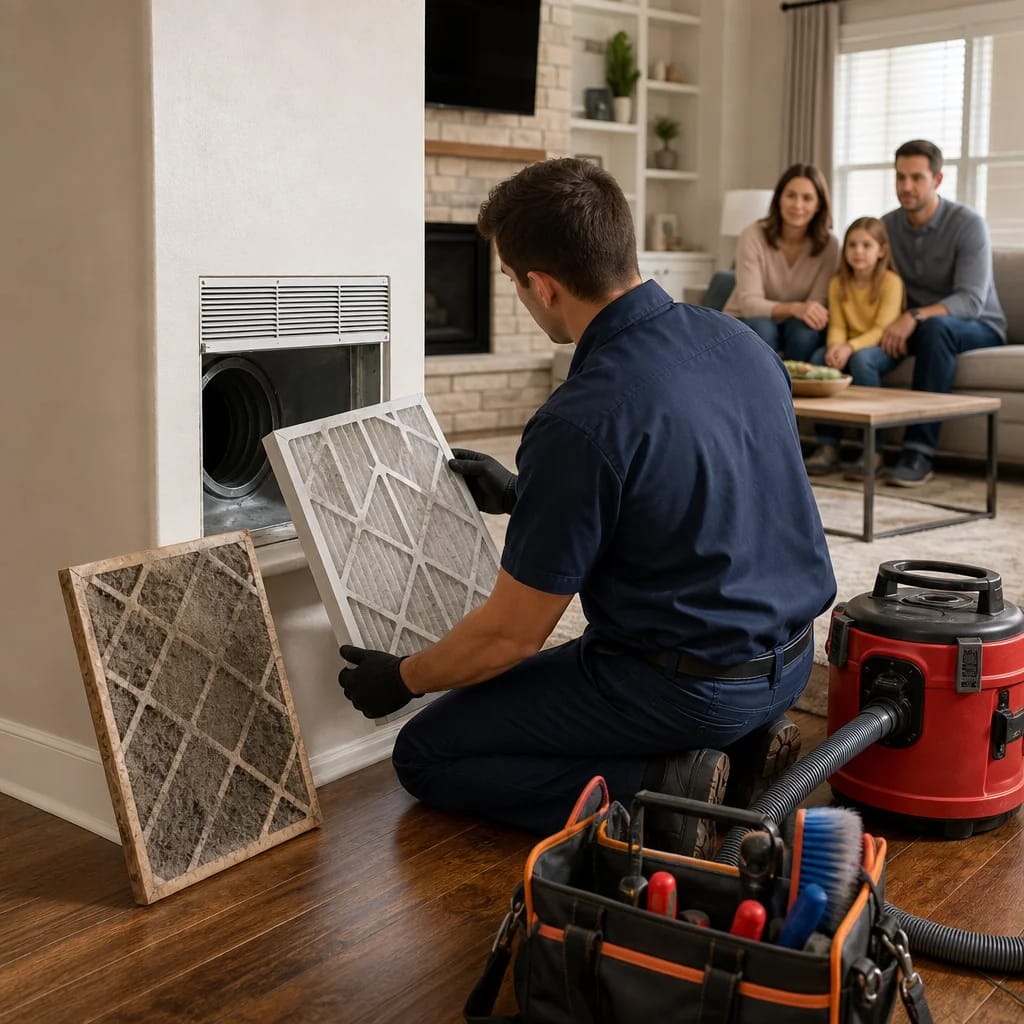
The limitation: most HEPA filters don’t fit directly into standard home HVAC systems. Trying to retrofit a HEPA filter into your furnace typically creates excessive resistance and can damage your equipment. When homeowners use HEPA in their main system, it’s usually through a specialized whole-home filter upgrade, and these cost significantly more than standard filters.
Portable HEPA air purifiers for individual rooms are different animals entirely. They work well for targeted air cleaning and don’t rely on your HVAC system’s airflow, so they’re worth considering for bedrooms or living areas where family members spend the most time.
The real question isn’t whether HEPA is superior to MERV. It’s whether the whole-home investment makes sense for your situation. HEPA shines when someone in your household has severe allergies or respiratory conditions. For general indoor air quality improvement, a quality MERV 11 filter combined with clean ducts often delivers better results at a fraction of the cost.
What to do next: If HEPA interests you, get a professional assessment rather than attempting DIY installation.
How These Two Approaches Compare in Real Homes
We’ve seen MERV filters outperform HEPA installations in Dallas homes when the ducts weren’t professionally cleaned first. On the flip side, we’ve watched HEPA systems deliver noticeable relief for allergy sufferers once their entire system was properly maintained.
Consider this scenario: A family with seasonal allergies installs a MERV 13 filter but doesn’t address their ductwork. That filter catches new particles from incoming air, but it doesn’t address what’s already settled in the ducts. After one season, the filter is clogged, airflow drops, and effectiveness plummets. The HEPA system faces the same problem if the ducts are dirty.
Now reverse the scenario: The same family has their ducts professionally cleaned, then installs a MERV 11 filter and commits to quarterly replacements. Their system operates efficiently, the filter traps new contaminants before circulation, and they notice fewer allergy symptoms within weeks.
The difference isn’t really about HEPA versus MERV. It’s about a complete system approach. Clean ducts plus an appropriate filter rating plus regular replacement equals measurable results.
What to do next: Assess your ductwork honestly. If you haven’t had professional cleaning in the past five years, that’s your priority before upgrading your filter.
The Hidden Energy Costs of Poor Filtration
A clogged filter forces your HVAC system to work overtime. Your blower motor runs longer to push air through the restricted material, which burns more electricity and generates unnecessary wear on components. In Dallas’s hot climate, this happens year-round, not just during summer cooling season.
The numbers add up quickly. A filter that’s overdue for replacement might increase your system’s energy draw by 15-20 percent. Over a year, that translates to measurable increases in your electric bill. An improperly sized filter creates similar problems: a MERV rating too high for your system’s design generates constant resistance and chronic inefficiency.
Installing the “best” filter without considering your system’s design can cost more in energy waste than you save on health benefits. We counsel clients to choose a sustainable filtration approach: a MERV rating that balances air quality improvements with efficient operation, combined with a replacement schedule you can actually stick to.
What to do next: Set a phone reminder to check your filter monthly. Replace it every three months during seasons with high pollen or dust activity.
Why Clean Ducts Make Better Filters Work Harder
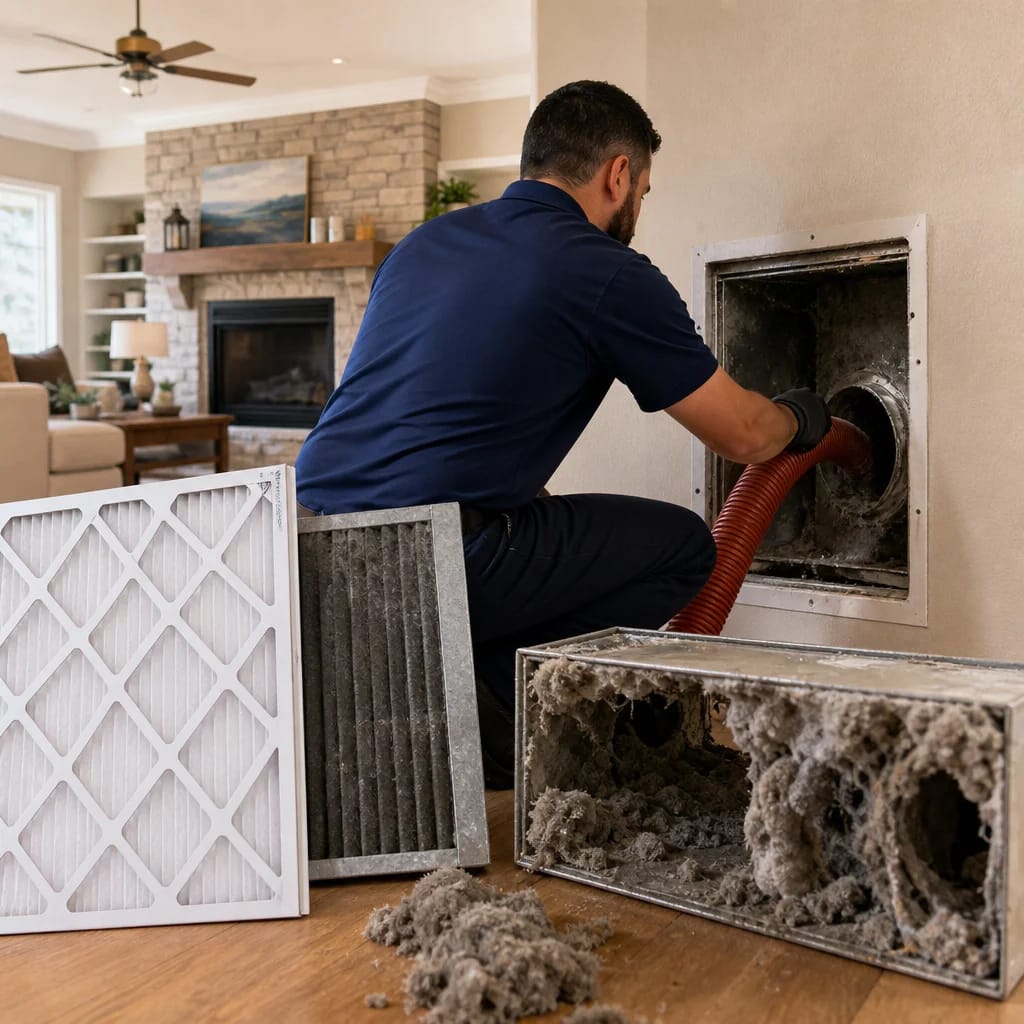
This is where we shift the conversation. Your filter can only catch particles that pass through it. Particles already embedded in your ductwork, sitting on bends and straight sections, don’t get filtered again. They just recirculate and re-settle elsewhere in your home.
When you improve indoor air quality through professional duct cleaning, you’re removing the source of continuous contamination. After cleaning, your new or upgraded filter has a much lighter load. It catches fresh particles from outside air and from indoor activities rather than fighting years of accumulated debris.
Many Dallas homeowners ask us whether duct cleaning is really necessary if they’re upgrading their filter. The honest answer: it depends on how old your ducts are and what you can see or smell. But if your goal is optimal air quality, the sequence matters. Clean ducts first, then upgrade your filter if needed. That order gives you the best return on your investment.
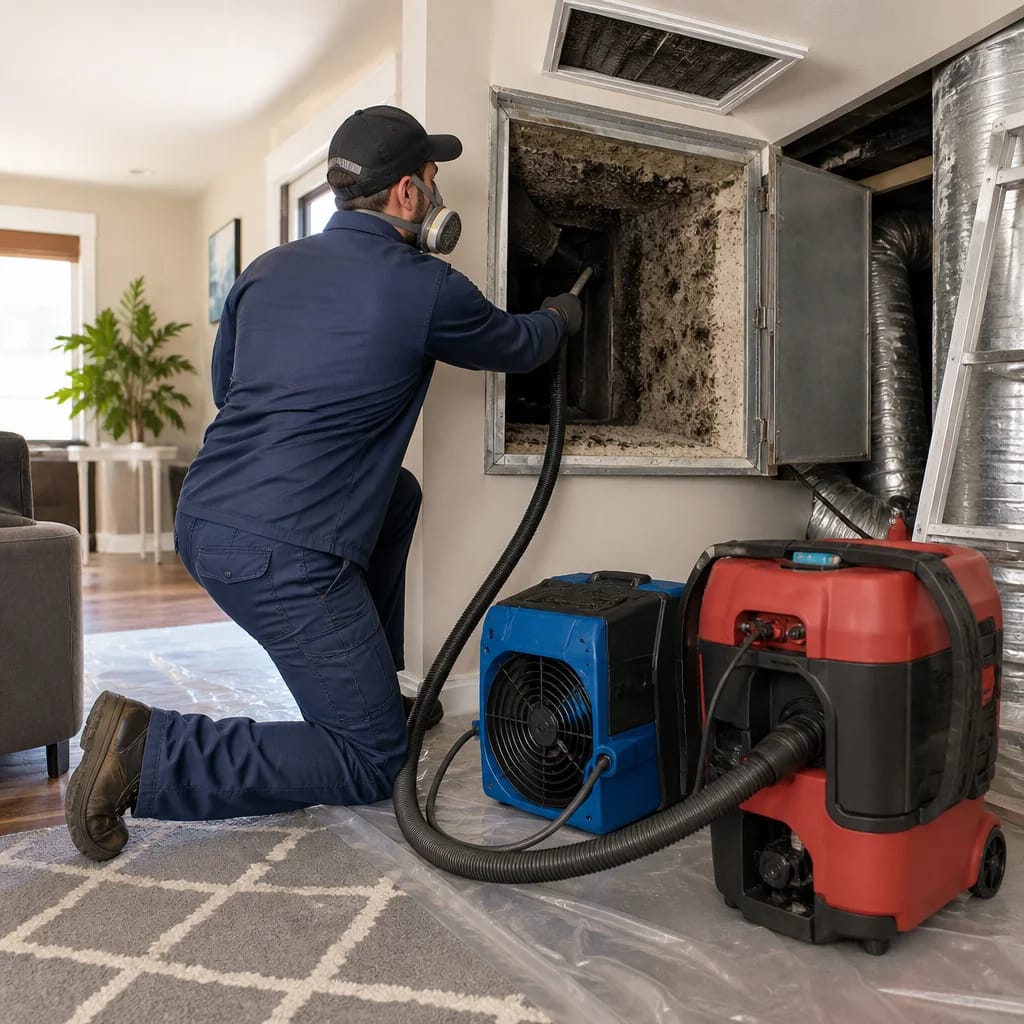
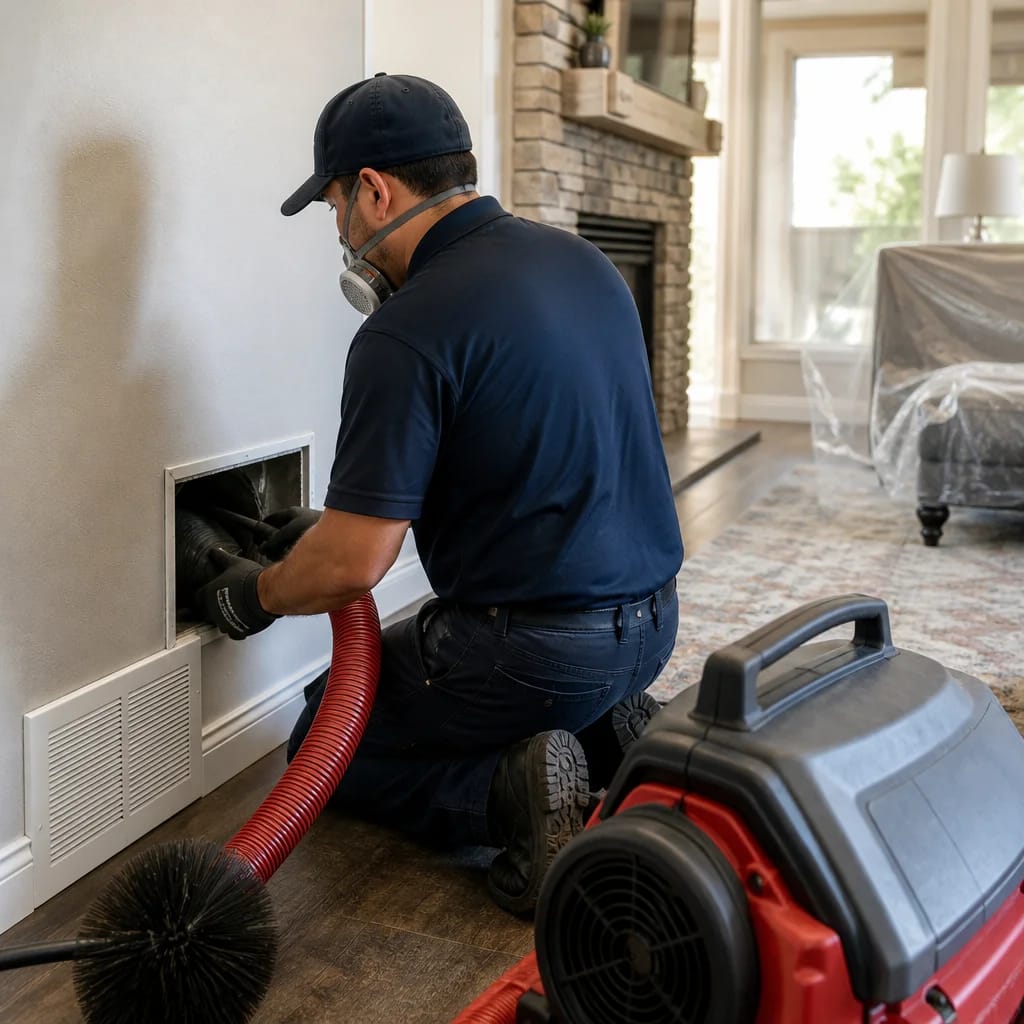
Our air duct cleaning process for healthier air removes dust, mold spores, and debris throughout the system. Once that foundation is solid, your filter system works as intended rather than fighting a losing battle against years of buildup.
What to do next: Schedule a professional duct inspection to see what your system actually looks like before investing in filter upgrades.
Our Complete Air Quality Solution for Dallas Homes
We approach indoor air quality as an integrated system, not isolated components. A filter choice that works beautifully in a contaminated duct system is like applying air freshener to a musty room instead of addressing the source of the odor.
Our comprehensive approach includes professional duct cleaning and inspection, assessment of your current HVAC system’s capabilities, honest recommendations about MERV versus HEPA based on your specific situation, sanitization if mold or bacterial contamination is present, and guidance on ongoing maintenance schedules.
We’re not here to sell you the most expensive solution. We’re here to solve your actual problem efficiently. Sometimes that means a quality MERV 10 filter with annual duct cleaning. Sometimes it means HEPA supplementation for a bedroom where someone with severe allergies sleeps. We evaluate your home, your concerns, and your budget.
What to do next: Contact us for a free evaluation of your current system and air quality concerns.
Choosing the Right Approach for Your HVAC System
Start with these questions: Do you have documented allergies or respiratory sensitivities in your household? Can you see visible dust accumulation in your ducts or vents? How old is your HVAC system, and have you maintained it regularly? What’s your realistic budget for both immediate and ongoing improvements?
If you have mild concerns and relatively new equipment, a MERV 8 or MERV 11 filter with consistent quarterly replacements and basic maintenance handles the job affordably. If someone in your household has severe allergies or asthma, or if you’ve noticed recent indoor air quality changes, a deeper assessment makes sense.
The worst choice is buying an expensive filter without understanding your system’s design constraints or your ductwork’s actual condition. The best choice is gathering information, getting professional guidance, and committing to realistic maintenance.
What to do next: Write down your specific air quality concerns before calling for an assessment. This helps us give you targeted recommendations rather than a generic approach.
Getting Your System Professionally Evaluated
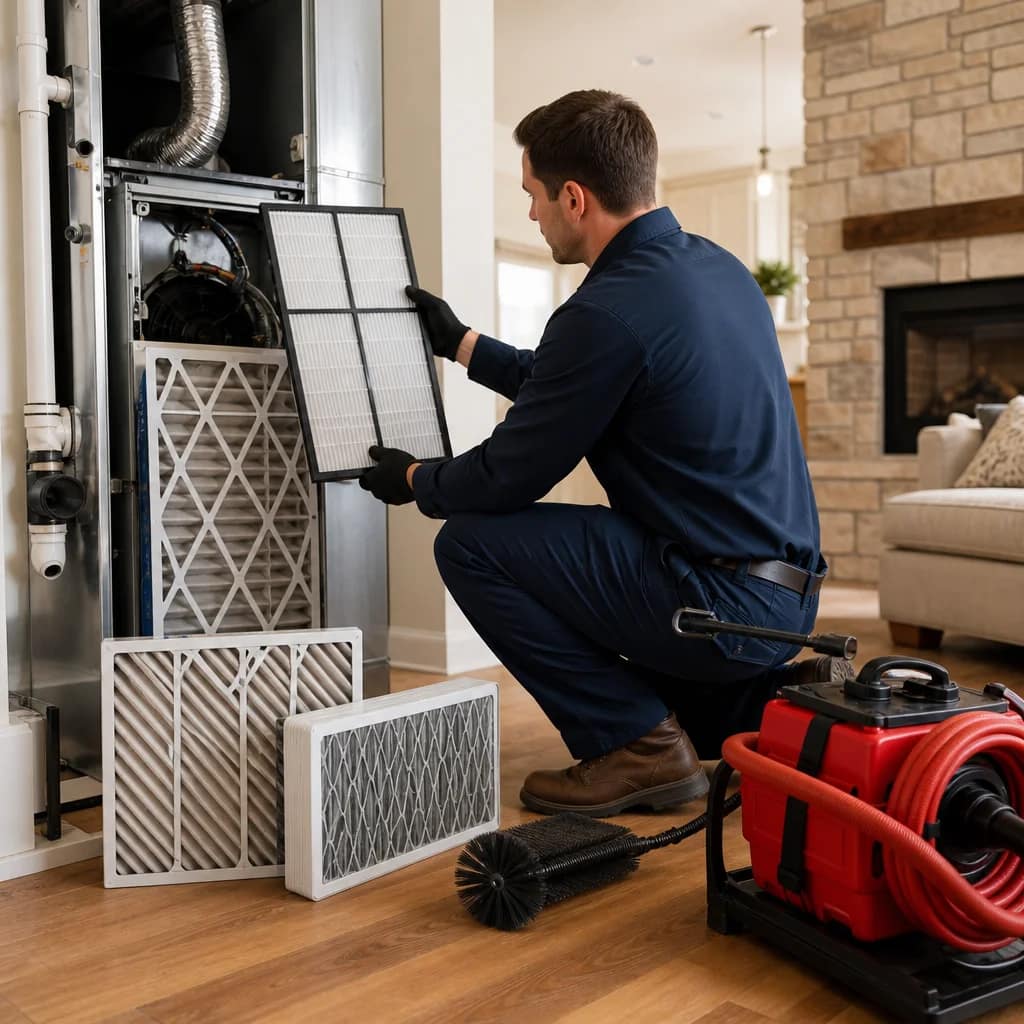
A professional evaluation tells you things you can’t determine alone. We check airflow efficiency, measure filter restriction impact, inspect ductwork for debris and contamination, test for mold or bacterial presence, and assess whether your system can safely operate with higher MERV ratings.
This inspection costs less than a replacement filter and provides clarity that prevents expensive mistakes. We’ve seen homeowners install incompatible systems or spend money on premium filters that create problems their equipment wasn’t designed to handle. A professional evaluation prevents those costly missteps.
During an evaluation, we also discuss maintenance patterns and seasonal factors. Dallas pollen counts spike in spring, dust activity increases during drought periods, and humidity challenges create different contamination profiles than drier climates.
What to do next: Call us today for a professional evaluation of your HVAC system and ductwork.
Starting Your Journey to Cleaner Indoor Air
Cleaner indoor air isn’t about one decision or one product. It’s about understanding your system, making informed choices, and committing to consistent maintenance. You’ve already taken the first step by learning the differences between filter approaches and recognizing that filters alone aren’t the complete answer.
The next steps are straightforward: schedule a professional assessment, identify your priority (allergies, general air quality, energy efficiency), establish a replacement schedule, and revisit your approach annually as seasons and household needs change.
We’re here to partner with you throughout this process. Our Dallas team has worked with hundreds of homes to improve indoor air quality through clean ducts, appropriate filtration, and professional maintenance. We understand the local climate challenges, the age and style of Dallas properties, and what actually works in real homes.
Reach out to us today. Let’s evaluate your system, discuss your concerns, and develop a straightforward plan that fits your home and your budget.
Frequently Asked Questions (FAQ)
What’s the difference between HEPA and MERV filters, and which one should we choose?
MERV filters are built into your HVAC system to catch particles as air circulates, with higher ratings (13-16) offering better filtration than standard filters. HEPA filters capture 99.97% of particles but require special installation since most residential HVAC systems can’t handle them without modifications. We recommend starting with a high-MERV filter (13-16) for most Dallas homes, but if you have allergies or respiratory concerns, we can evaluate whether your system can support a HEPA-compatible setup.
Do clean air ducts really make filters work better?
Absolutely. When your ducts are clogged with dust, pet dander, and debris, even the best filter gets overwhelmed trying to pull air through buildup. We’ve found that homeowners who combine professional duct cleaning with quality filters see noticeably better air quality and their filters last longer. It’s like trying to breathe through a straw versus having clear airways—your filter performs at its best when your entire system is clean.
How often should we replace our filters to maintain good indoor air quality?
For standard MERV 8-11 filters, we recommend checking them monthly and replacing every 1-3 months depending on household factors like pets and allergies. Higher-rated MERV filters (13-16) typically last 6-12 months, though Dallas homes with heavy dust or construction nearby may need more frequent changes. We’re happy to set up a maintenance schedule during your professional evaluation to keep your system running efficiently.