
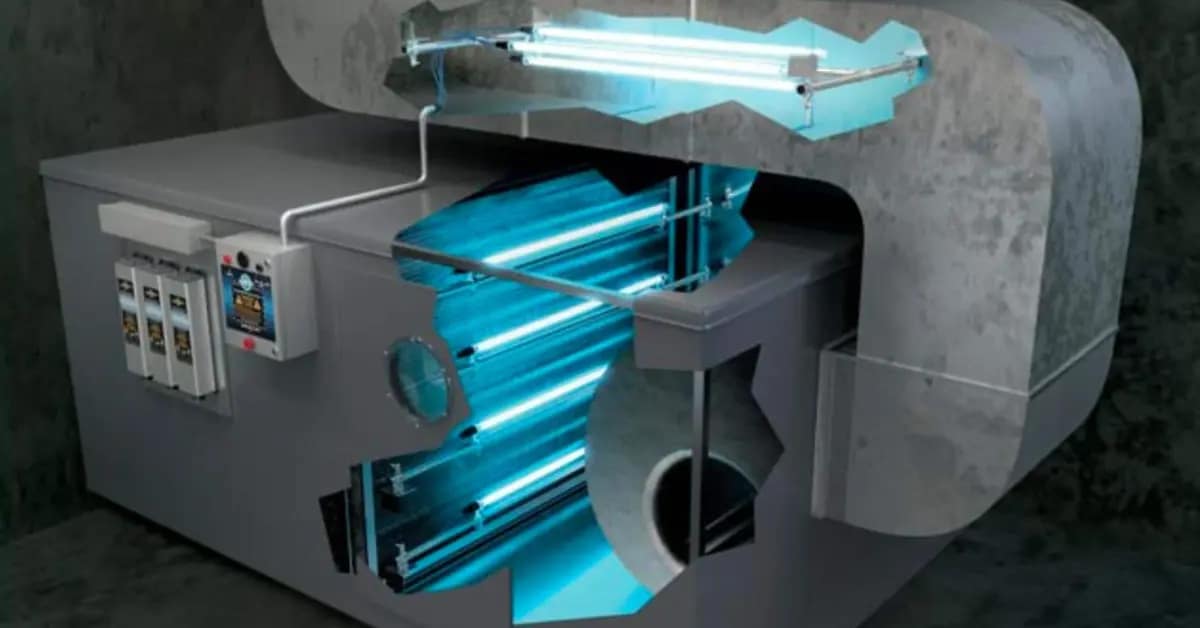

You know that feeling when you walk into your home and just sense something’s off with the air? Maybe it’s stuffy, or someone keeps getting sick. We’ve been helping homeowners tackle indoor air problems for years, and one solution keeps coming up. A UV air purifier installed right in your HVAC system can make a huge difference. These devices use ultraviolet technology to zap nasties floating through your ductwork. Today, we’re breaking down the top five reasons why adding one might be the smartest move for your family’s health.
UV Light Eliminates Harmful Bacteria and Viruses
Here’s the cool part about how these systems work. When air passes through your ductwork, the UV air purifier targets microscopic organisms. The ultraviolet rays damage their DNA, stopping them from multiplying or making you sick. It’s like having a tiny defense system working 24/7 in your home. Studies show UV technology can neutralize up to 99.9% of specific pathogens. That means fewer colds, less flu, and better protection during the sick season. We’ve seen families cut down on doctor visits just by installing one of these units. The technology isn’t new, either; hospitals have used UV sanitization for decades. Every UV light air purifier works continuously to keep your breathing space safer.

UV Light Air Purifiers Reduce Mold and Mildew Growth
Mold is sneaky. It loves dark, damp spaces like your air conditioning coils and drip pans. Once it takes hold, it spreads spores throughout your entire house every time the system runs. A UV air purifier stops this cycle cold.
The constant UV exposure prevents mold colonies from establishing themselves in the first place. This is especially helpful if you live in humid climates or have had mold issues before. You’ll notice less musty smell and fewer respiratory complaints. Plus, keeping mold at bay protects your HVAC components from deterioration.
It’s a win-win for both health and home maintenance. Installing a UV light air purifier gives you peace of mind during muggy summer months.
Improves Indoor Air Quality for Allergy Sufferers
If you or your kids have allergies, you know how miserable it can get. Pollen, pet dander, and dust mites trigger symptoms even when you’re indoors. While a UV air purifier doesn’t catch particles like a filter does, it neutralizes biological contaminants that worsen allergic reactions. Combined with a good filter, you get powerful protection. Many of our clients report:
- Fewer sneezing fits in the morning
- Better sleep without congestion
- Less reliance on allergy medications
- Cleaner-smelling indoor spaces
The key is consistency. These systems work continuously, not just when you remember to clean something. A quality UV-C light air purifier runs silently in the background while you go about your day.
Extends Your HVAC System's Lifespan
Nobody wants to replace their heating and cooling system early. These units cost thousands of dollars. Here’s something most people don’t realize – biological buildup on your coils makes your system work harder. It’s like asking someone to run with weights strapped on. When a UV air purifier keeps coils clean, your HVAC runs more efficiently.
That means lower energy bills and less wear on components. We’ve seen systems last 3-5 years longer with proper UV treatment. The upfront investment pays for itself through reduced repairs and delayed replacement costs. Your wallet will thank you. Think of your UV air purifier as insurance for your expensive HVAC equipment.
Chemical-Free Purification Method
Some air treatment options rely on chemicals or produce ozone as a byproduct. Not great if you’re trying to create a healthy home environment. A UV air purifier uses only light waves to do its job. No harsh sprays, no questionable additives, nothing for sensitive family members to react to. It’s entirely safe for homes with kids, pets, or anyone with chemical sensitivities.
The system just quietly does its thing without adding anything to your air. This makes it perfect for eco-conscious families who want effective results without compromises. Plus, there’s virtually no maintenance beyond an annual bulb replacement.
Each UV air purifier operates without creating harmful byproducts that could compromise your indoor environment.
Upgrade Your Home with a UV Air Purifier
Adding UV technology to your existing setup is easier than most people think. A qualified HVAC tech can install one in about an hour. The units fit right into your ductwork near the coils. You won’t see them or hear them – they just work silently in the background. Cost varies, but most homeowners spend between $400-$1,200 for installation.
Consider it if you have chronic health issues, live in humid areas, or want to maximize your system’s efficiency. Talk to a local professional to find the model that suits your specific needs. They can assess your current setup and recommend the right strength unit. Your home deserves air that helps everyone breathe easier.
A UV air purifier represents a smart investment in your family’s long-term wellness and comfort.

Frequently Asked Questions
Q: How often do UV bulbs need replacing?
Q: Will this eliminate the need for regular filter changes?
No, UV technology and filters serve different purposes. Filters catch physical particles like dust and pet hair, while UV systems neutralize living organisms. You need both working together for complete protection. Think of filters as the catcher’s mitt and UV as the disinfectant. Keep changing your filters on schedule (typically every 1-3 months) even with UV installed. The combo gives you the cleanest possible indoor environment.
Q: Can UVs damage my HVAC system?
When properly installed, UV systems are completely safe for HVAC components. They’re designed specifically for ductwork environments and won’t harm metal, plastic, or wiring. Professional installation is key – placement matters to avoid any issues. The UV rays target only the air stream and coil surfaces. Millions of homes safely use this technology without any equipment problems. Just make sure a certified technician handles the installation and follows manufacturer guidelines.