

Why Hiring Professional Air Duct Cleaners Is Worth Every Penny
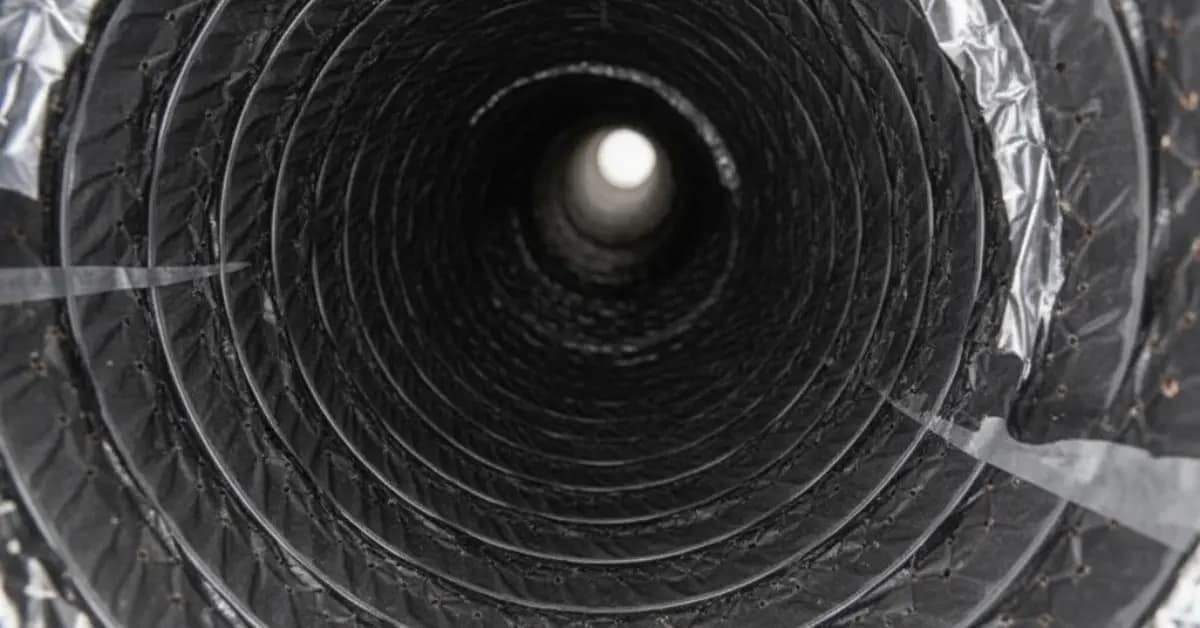
Many homeowners overlook what’s hiding inside their ductwork. Over time, dust and debris accumulate in areas that are not visible or accessible. This buildup affects the air you breathe every single day. It also makes your heating and cooling system work much harder than it should. Professional air duct cleaners bring specialized skills and equipment that far exceed what any DIY approach can offer.
What Makes Professional Air Duct Cleaners Different
We’ve seen countless homeowners try to tackle duct cleaning on their own. The truth is, a standard vacuum just doesn’t cut it. Air duct cleaners utilize commercial-grade equipment specifically designed for HVAC systems. They know how to access every section of your ductwork safely and efficiently. Their training helps them identify problems such as mold growth or loose connections that could lead to more significant issues in the future.
The process involves much more than suction. Experienced air duct cleaners use rotating brushes to dislodge stubborn dirt from the walls of the ducts. They apply negative pressure throughout the system to capture particles. This prevents contaminants from spreading into your living spaces during the cleaning process.

The Equipment That Separates Pros from DIY
Walk into any professional duct cleaning job and you’ll see serious equipment. Truck-mounted vacuum systems create powerful suction that portable units can’t match. Air compressors help blast away caked-on debris. Inspection cameras let air duct cleaners see inside your ducts without guesswork.
HEPA Vacuum Systems and Powerful Tools
HEPA filtration is the gold standard for capturing tiny particles. Professional vacuum systems trap pollutants as small as 0.3 microns. That includes pollen, mold spores, and bacteria that regular filters miss. The equipment list that air duct cleaners rely on also includes:
- Rotary brush systems for thorough duct scrubbing
- Air whips that agitate dust in hard-to-reach areas
- Negative air machines that maintain constant pressure
- UV lights for sanitizing after cleaning
How Clean Ducts Improve Your Indoor Air Quality
Think about what circulates through your ventilation system every day. Dust mites, pet dander, and outdoor pollutants all accumulate over time. When your HVAC system kicks on, it pushes these particles throughout your home. This is precisely why air duct cleaners recommend regular maintenance for improved indoor air quality.
People with allergies or asthma notice the most significant difference. Removing irritants from your ducts can significantly reduce symptoms. Even healthy family members benefit from breathing fresher air. You may also notice less dust settling on your furniture. The improvement in home air quality is often dramatic and immediate.

Energy Efficiency and HVAC System Protection
Here’s something that surprises many homeowners. Dirty ducts force your system to work overtime. Buildup restricts airflow and reduces efficiency. Your furnace or air conditioner runs longer to reach the desired temperature. That means higher energy bills month after month.
Regular maintenance from qualified air duct cleaners also protects your HVAC investment. Debris can damage sensitive components, such as coils and blowers. Restricted airflow causes systems to overheat and fail prematurely. Professional cleaning extends equipment life and prevents costly repairs. Most air duct cleaners can spot minor issues before they become significant problems.
Why Certified Duct Cleaning Services Matter
Not all cleaning companies follow the same standards. Look for air duct cleaners certified by reputable industry organizations, such as NADCA. These professionals receive ongoing training in proper techniques. They understand safety protocols that protect both your home and your health. Certification means they won’t damage your ductwork or leave harmful residue behind.
Certified air duct cleaners also carry proper insurance and hold the necessary licenses. This protects you if something goes wrong during the job. They use EPA-registered products when sanitization is needed. Their methods ensure contaminants are safely removed, not just stirred up and redistributed.

Making Your Investment Count for Years to Come
The cost of professional duct cleaning pays off in multiple ways. You’ll breathe cleaner air starting immediately. Your energy bills should decrease as your system runs more efficiently. Your HVAC equipment will last longer with less strain. Many homeowners find these benefits more than justify the expense.
Most experts recommend cleaning every three to five years. Homes with pets or smokers may need more frequent service. After renovation projects, it’s a good idea to have the ducts cleaned as well. The investment protects your family’s health and your home’s comfort for years ahead.
Frequently Asked Questions
How long does professional duct cleaning actually take?
Most residential jobs take between two and four hours. The exact time depends on the size of your home and the complexity of your ductwork. Homes with multiple HVAC zones or extensive buildup may require longer installation times.
Will cleaning make a mess in my home?
Professional services shouldn’t create any mess at all. Technicians use sealed systems that contain all debris. They typically access the system through existing vents or small access holes that are sealed afterward. Your home should look exactly as it did before.
Can dirty ducts actually make my family sick?
While they alone rarely cause illness, they can worsen existing conditions. Mold, bacteria, and allergens in the ductwork can exacerbate asthma and allergies. People with respiratory sensitivities often see significant improvement after cleaning.
How can I tell if my ducts really need cleaning?
Look for visible dust around vents, musty odors when the system runs, or increased allergy symptoms indoors. If you notice mold growth or pest droppings, cleaning becomes a priority. A professional inspection can assess your specific situation.
Do I need to be home during the cleaning process?
You don’t have to stay home the entire time, but someone should be there initially. Technicians need access to all areas and may have questions about your system. Most homeowners prefer being present to see the results and ask questions.